GoldPuzzle: Grid Strategy, Combos, and Smart Placement
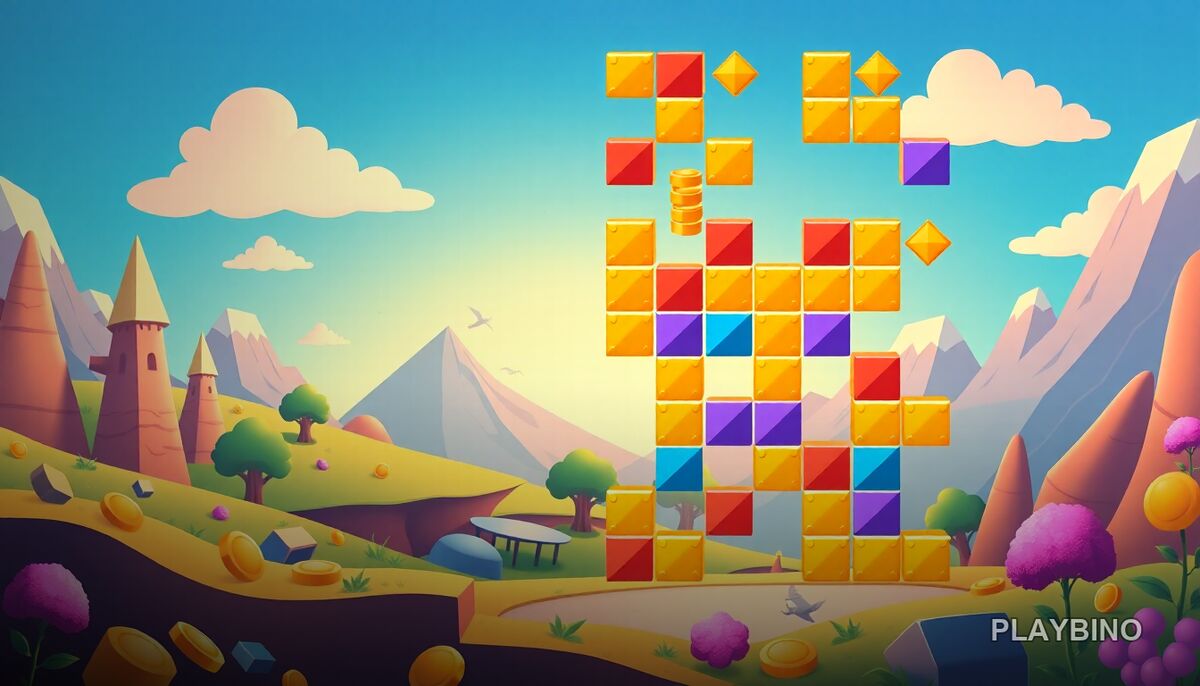
What GoldPuzzle Is About
At first glance, GoldPuzzle looks like a straightforward block-placement game. Drag pieces onto a grid, fill lines, clear them. But the moment you start running low on space and realize you've blocked off half the board with poorly placed nuggets, the real strategic layer reveals itself. This is a logic puzzle that rewards patience and punishes reactive play.
The core loop is simple enough: drag gold nuggets onto the grid to complete full horizontal or vertical lines, which then clear and free up space. But the decisions stacking behind that loop are what make this grid-based challenge worth returning to.
The Three Gold Types and Why They Matter
One of the more interesting design choices here is the tiered value system. Not all nuggets are equal.
- Standard nuggets fill space and contribute baseline points.
- Premium varieties carry higher point values and are worth prioritizing in line clears.
- Rare purple pieces sit at the top of the value chain and can dramatically shift your score when cleared in combination.
This creates genuine decision tension. Do you place a purple piece in a position that clears a line quickly but wastes its value? Or do you hold space open, waiting to stack it with higher-value pieces for a bigger payout? That question repeats itself constantly, and it's what separates casual placement from actual strategy.
Planning Ahead on the Grid
Reading Available Space
The grid fills faster than expected. Each new set of pieces needs to fit somewhere, and if you've been placing reactively, you'll find yourself with awkward gaps that no incoming shape can fill cleanly. The habit to build early is scanning the full board before placing anything, not just the row or column you're currently eyeing.
Combo Timing
Clearing multiple lines in a single placement triggers bonus rewards, making combo-focused play significantly more profitable than clearing lines one at a time. The trick is resisting the urge to clear a line the moment it's available. Sometimes holding off, letting a second or third line build up simultaneously, produces a much better outcome. Patience here has a direct point value.
Running Out of Moves
GoldPuzzle doesn't end the moment you run out of valid placements. Accumulated gold can be spent to swap out troublesome pieces that don't fit the current board state. There's also the option to watch an ad for fresh pieces, which extends the run without resetting progress. This makes the game feel more forgiving than a typical one-life puzzle, but it also means that gold management becomes a secondary resource layer worth tracking. Spending gold carelessly early can leave you without options when the board gets genuinely tight.
Who This Game Suits
If you enjoy logic puzzles that require forward planning rather than fast reflexes, GoldPuzzle fits that space well. It shares DNA with number-grid games that reward spatial thinking — if that style appeals to you, another number-based logic challenge worth looking at is 2048 Skill Edition, which takes a different mechanical approach to the same kind of strategic thinking.
The single-player format means there's no time pressure from opponents, just the steady pressure of a filling board and the satisfaction of a well-timed multi-line clear. PlayBino hosts the full version in-browser, no download needed, which makes it easy to pick up and put down between sessions.
Strategy Habits Worth Building Early
A few patterns tend to separate higher-scoring runs from average ones. Keeping at least one long open column or row available at all times gives incoming pieces somewhere to land cleanly. Prioritizing purple piece placement in positions where they contribute to two lines simultaneously maximizes their value. And treating the swap mechanic as a last resort rather than a routine move keeps your gold reserve healthy for when the board genuinely locks up.
The puzzle rewards players who think two or three placements ahead. The more you treat each move as part of a sequence rather than an isolated decision, the better the board tends to behave.