Good Habits: The Kids\' Wellness Clicker That Makes Routines Fun
What Good Habits Is About
Most kids' games focus on action or competition. Good Habits takes a different approach, building its gameplay around something far more practical: daily routines. Hygiene, nutrition, tidying up, and personal care all become interactive tasks that children complete one step at a time. The game frames these activities as achievable challenges rather than chores, which makes a noticeable difference in how the content lands.
The structure leans into simulation and clicker mechanics, keeping interactions simple and satisfying. Each tap or click moves a task forward, and completing it triggers a small reward. You can try the full experience in your browser without any downloads or setup.
How the Tasks Are Structured
The game breaks daily wellness into distinct activity categories. Players move through scenarios that cover things like brushing teeth, eating balanced meals, washing hands, and keeping a tidy space. Each scenario presents a short sequence of steps, and the player follows prompts to complete them in order.
Prompt and Response Flow
Friendly visual prompts guide each action. The game doesn't demand reading fluency, which makes it accessible to younger children. Icons, animations, and bright cues communicate what needs to happen next, reducing friction and keeping the pace moving.
Rewards and Progress Tracking
Finished activities contribute to a growing record of accomplishments. This visible progress log gives children a concrete sense of what they've done, reinforcing the idea that small consistent actions add up. The clicker format suits this well — each completed step feels deliberate, not passive.
Visual Design and Tone
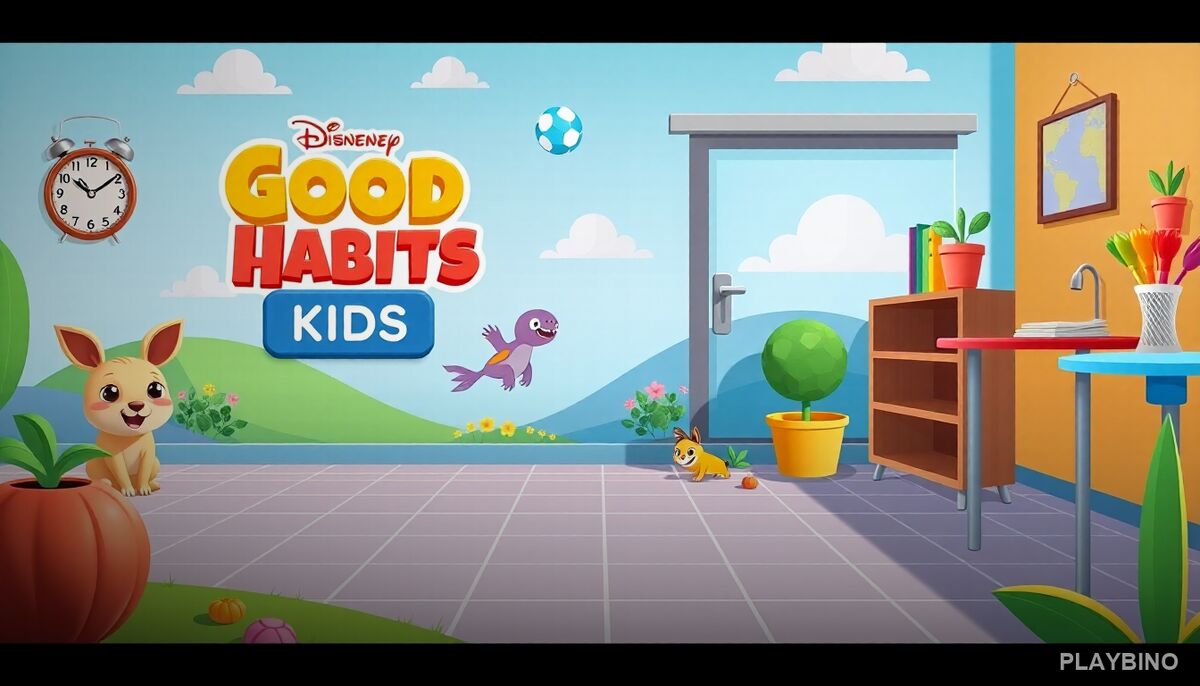
The art style uses bright, clean colors and friendly character designs that feel welcoming without being overwhelming. Animations are smooth and expressive, reacting to player choices in ways that feel encouraging. The overall tone stays positive throughout, avoiding pressure or failure states that might discourage younger players.
The pacing is calm and structured, which works well for the target audience. There's no countdown pressure or competitive scoring — just a steady progression through meaningful daily scenarios.
What the Game Teaches Through Play
Good Habits works because it connects abstract concepts to familiar actions. Rather than explaining why nutrition matters through text, the game has players build a balanced meal. Rather than describing hygiene steps, it walks children through them interactively. That hands-on approach makes the learning feel natural rather than instructional.
- Hygiene routines broken into simple interactive steps
- Nutrition awareness through meal-building activities
- Organization tasks tied to real-world scenarios
- Progress tracking that reinforces consistency
- Clicker mechanics that keep engagement active, not passive
Who This Game Is Built For
The game is clearly designed with younger players in mind, particularly children in the early learning stage who benefit from repetition and positive reinforcement. Parents looking for screen time that has some practical value will find the content genuinely aligned with real-life routines.
That said, the mechanics are simple enough that the game works as a shared activity too. A parent or caregiver playing alongside a child can use each task as a conversation starter about why these habits matter in real life. The Funny Face Quest title on PlayBino takes a similarly lighthearted approach to kids' content — that one is worth a look if this style of game connects with your child.
Replay Value and Variety
The varied task categories prevent the experience from feeling repetitive too quickly. Because each activity covers a different area of daily wellness, the game naturally cycles through different types of interaction. Returning to completed tasks reinforces the habits rather than simply replaying identical content, which gives the experience more lasting value than a single-session novelty.
"