Grind io: Mining, Combat, and Leaderboard Climbing
What Grind io Is About
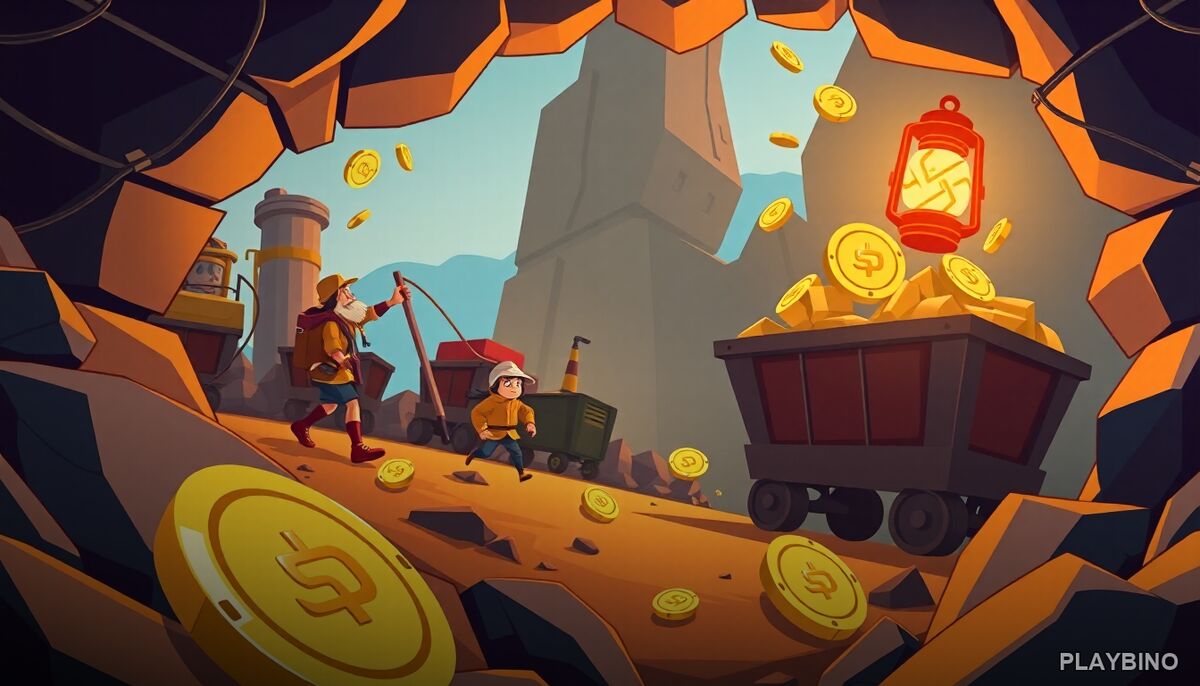
Most multiplayer arena games ask you to fight. Grind io asks you to do two things at once: mine and fight. You drop into a shared map filled with ore deposits and rival players, and the tension between collecting resources and watching your back never really lets up. Play it in your browser and within the first minute you'll understand why hesitation gets you killed.
The core loop is straightforward but demanding. Extract ore, convert it to coins, spend those coins on upgrades, and use those upgrades to either dominate other players or survive their attacks. Every session is a live negotiation between greed and caution.
The Mining and Combat Balance
The game's main tension comes from a simple conflict: mining takes focus and leaves you exposed. Standing over a deposit while another player approaches is a real decision point. Do you grab one more hit on the ore or turn to defend yourself?
Resource Flow
Ores convert directly to coins, and coins are your only path to becoming stronger. The rate at which you gather matters because players who upgrade faster gain a compounding advantage. Early aggression from a well-upgraded opponent can end your run before you've built any real defense.
Upgrade Choices
Spending coins splits into two directions: attack power and health. Neither is obviously correct in every situation. A high-damage build lets you threaten other miners and force retreats, but low health means a coordinated attack from two players can end you quickly. Investing in health first gives you staying power but may leave you unable to finish fights. Reading the current leaderboard state helps decide which direction makes more sense in the moment.
PvP Dynamics and Leaderboard Pressure
Grind io is a PvP game at its core, and the multiplayer pressure shapes every decision. Players near the top of the leaderboard become targets. Climbing too fast draws attention, and sometimes the smartest move is staying mid-table while stronger players fight each other.
Combat itself is direct and readable. Positioning matters more than reaction speed in most exchanges. Cutting off a retreating player, blocking access to a rich ore vein, or forcing a weaker opponent into a corner are all viable strategies. The arena rewards spatial awareness as much as raw power.
Strategy Across a Session
A full session in this action-strategy game moves through recognizable phases. Early on, everyone is weak and mining is relatively safe. The mid-game is the most dangerous period, when some players have upgraded significantly but the map is still crowded. Late sessions thin out and the remaining players tend to be more aggressive and better equipped.
- Early phase: prioritize ore collection over fighting
- Mid phase: upgrade selectively and avoid overextended fights
- Late phase: target lower-health opponents and contest high-value deposits
- Retreat when outnumbered rather than burning health on unwinnable fights
Players who try to fight constantly from the start usually fall behind on upgrades. The ones who climb tend to mine efficiently, pick fights they can win, and know when to disengage.
A Different Kind of Competitive Arena
If the mix of resource gathering and direct combat sounds appealing, the competitive multiplayer space on PlayBino has more to explore. Nuke Continent Fight takes a different approach to PvP conflict — that arena-style challenge is worth a look if you enjoy games where strategic aggression determines the outcome.
Grind io works because the design keeps both systems — mining and combat — genuinely relevant throughout a session. Neither becomes irrelevant as the game progresses. That balance is what makes individual runs feel different and keeps the leaderboard competition meaningful rather than purely mechanical.
"