Haggo Jaggo Runner: Split-Second Choices in an Endless Runner
What Kind of Game Is This?
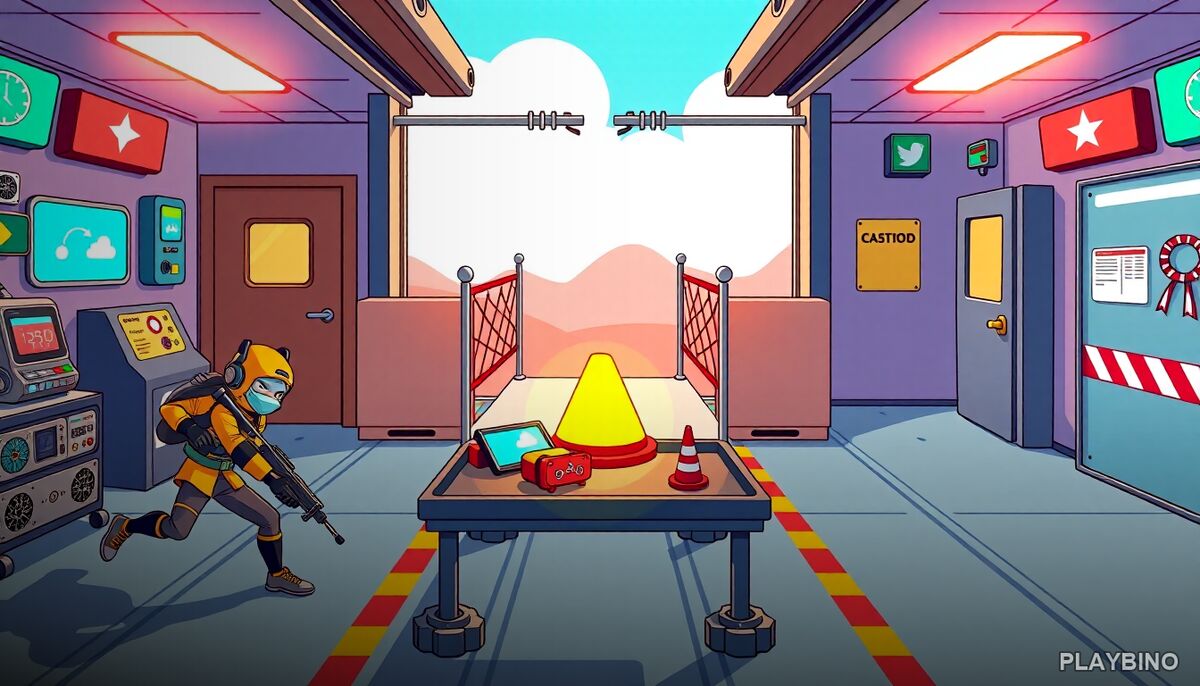
Not every endless runner is about dodging obstacles and collecting coins. Haggo Jaggo Runner takes a different angle — it turns each stage into a rapid sequence of binary choices. You sprint forward, hit a checkpoint, and two doors appear. One moves you ahead. The other sends you back. The game is part runner, part brain puzzle, and the combination creates a tension that pure speed games rarely deliver.
The concept sounds simple until you realize how quickly the decisions stack up. Each stage compresses the pressure into a short run, and the wrong door at any point can cost you significant progress. Play it on PlayBino and you will notice within the first few runs that reading the doors matters far more than how fast your fingers move.
The Door Mechanic Explained
At every checkpoint along the route, two doors block the path. Only one is correct. There are no obvious labels, no color-coded guarantees from the start. The game expects you to observe, attempt, and remember. Wrong choices do not just slow you down — they force restarts or backtracking, which means every mistake has a real cost attached to it.
Learning Through Repetition
The puzzle logic here is built around pattern recognition. Each run teaches you something. A door that looked identical to a safe one last time might behave differently in a new stage. The brain challenge comes from retaining what worked before while staying alert to new cues. Players who treat it like a reflex game will struggle. Players who slow their thinking even slightly — reading the environment, noticing small visual differences — will start to see real progress.
Stage Progression
Early stages give you time to breathe between checkpoints. Later stages tighten the spacing and add more doors per run, which means more decisions in less time. The difficulty curve is genuine rather than artificial. By the time the stages get hard, you have already built enough pattern awareness to feel like the challenge is fair.
What the Run Actually Feels Like
There is a specific rhythm to a good run in this game. You sprint, you read, you commit. When you pick the right door, the momentum carries forward and the satisfaction builds. When you pick wrong, there is a brief frustration that quickly becomes motivation to try again. That loop — attempt, fail, learn, retry — is what keeps the experience from feeling repetitive even after multiple runs through the same stage.
The finish flag at the end of each stage acts as a proper reward. Reaching it after several failed attempts feels earned rather than handed to you. That sense of earned progress is what separates a puzzle-runner hybrid like this from a more passive endless runner format.
Strategy Tips
- Slow your eye movement at each checkpoint rather than reacting on pure instinct.
- Remember which door you chose last time and what the result was — the game rewards memory as much as speed.
- Look for environmental cues around each door, not just the doors themselves.
- Accept early mistakes as data. The first run through any stage is mostly research.
- Once you identify a pattern in a stage, commit to it confidently rather than second-guessing at the last moment.
Who Will Enjoy This Format
If you find standard endless runners too passive — tap, swipe, repeat — this game adds a layer of cognitive engagement that changes the experience. The 1-player format keeps the focus entirely on your own decision-making, with no distractions from multiplayer pressure. The brain and puzzle tags are accurate: this is not a game you switch off your mind to play.
Players who enjoy logic puzzles but want them wrapped in movement and momentum will find the format satisfying. The stages are short enough to replay quickly, which means the frustration ceiling stays low even when a run goes badly.
A Similar Challenge Worth Trying
If the quick-decision format appeals to you, another browser game built around fast choices is Money Up, which takes a different approach to the same kind of rapid-fire thinking. The mechanics differ, but the underlying demand for quick judgment connects the two experiences in a meaningful way.
"