Happy Easter Jigsaw Puzzle: Seasonal Pieces, Flexible Challenge
Twelve Images, One Relaxing Session
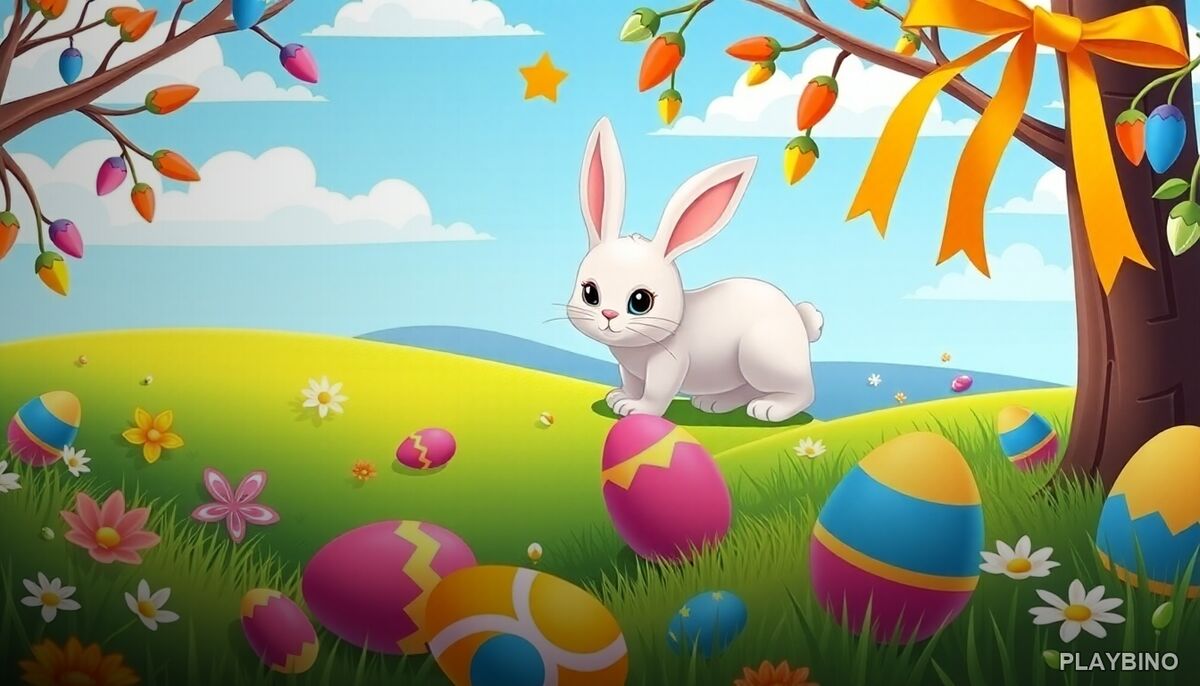
Spring theming rarely translates well into browser games, but Happy Easter Jigsaw Puzzle earns its seasonal identity through genuine variety. Twelve distinct illustrations cover the familiar symbols of the holiday — decorated eggs, fluffy bunnies, blooming flowers, and pastel-colored scenes that feel warm rather than generic. Each image is a self-contained puzzle, so you can pick the one that catches your eye and work through it at your own pace. Play it directly in your browser and the first thing you notice is how clean and uncluttered the interface feels.
Four Difficulty Settings
The piece count is the core variable here, and the range is genuinely useful. Starting at 16 pieces, the easiest setting is fast and satisfying — good for a short break or for younger players getting comfortable with drag-and-drop mechanics. The 100-piece option at the top end requires real attention, especially with images that share similar colors across large sections.
Choosing Your Starting Point
If you're new to the game, picking a high-contrast image on the 36-piece setting is a smart entry point. The pieces are large enough to read clearly, but the layout still requires some thought. Once you know how the edge pieces behave and how the board is organized, stepping up to 64 or 100 pieces feels like a natural progression rather than a sudden difficulty spike.
Replay Value Across Sessions
Because the difficulty is decoupled from the image selection, you can revisit the same illustration at a harder setting without the experience feeling repetitive. That flexibility is one of the more practical design decisions in the game — it makes returning worthwhile rather than just optional.
How the Puzzle Mechanics Feel
The interaction is straightforward: drag pieces from the scattered pool and drop them into the correct position on the board. There's no rotation mechanic, which removes one layer of complexity and keeps the focus on visual recognition and spatial reasoning. Pieces snap into place when positioned correctly, giving clear feedback without requiring pixel-perfect placement.
The calming rhythm of sorting, scanning, and placing makes this a good single-player experience for moments when you want something mentally light but still engaging. It's not passive — you're actively reading shapes and colors — but it doesn't demand fast reactions or precise timing.
Image Quality and Seasonal Atmosphere
The illustrations are vibrant without being garish. Easter-themed artwork can easily tip into oversaturation, but the color palette here stays readable even when pieces are scattered. That matters practically: when you're working through a 100-piece puzzle, you need to distinguish between similar shades quickly. The art style supports that without sacrificing the cheerful seasonal feel.
- Twelve unique Easter-themed images
- Piece counts: 16, 36, 64, and 100
- Drag-and-drop placement with snap feedback
- Single-player format with no time pressure
- No rotation required — pure spatial recognition
Who This Game Suits
Seasonal jigsaw games on PlayBino tend to attract players looking for low-pressure, visually rewarding sessions. This one fits that pattern well. The absence of a timer means there's no penalty for taking your time, which makes it accessible across age groups. Younger players can handle the 16-piece mode independently, while adults who enjoy puzzle games will find the 100-piece challenge genuinely absorbing.
Holiday puzzle fans who also enjoy winter-themed content might want to look at another seasonal jigsaw experience — Christmas Jigsaw Puzzles follows a similar structure and is worth comparing if you enjoy this format across different holidays.
Strategy and Approach
Even without a timer, having a loose strategy speeds up completion and makes the process more satisfying. Start by sorting edge pieces visually before placing anything. With 100 pieces, grouping by dominant color or pattern before you begin placing saves significant time mid-puzzle. For simpler modes, working from a recognizable focal point — like a large bunny or a central egg — gives you an anchor and makes surrounding pieces easier to place.
The game doesn't guide you through these decisions, which is part of the appeal. The puzzle logic is entirely in your hands, and the satisfaction of completing an image comes from your own spatial reasoning rather than any hint system.
"