Hardxel: Cave Puzzle Platformer for Two
What Hardxel Is About
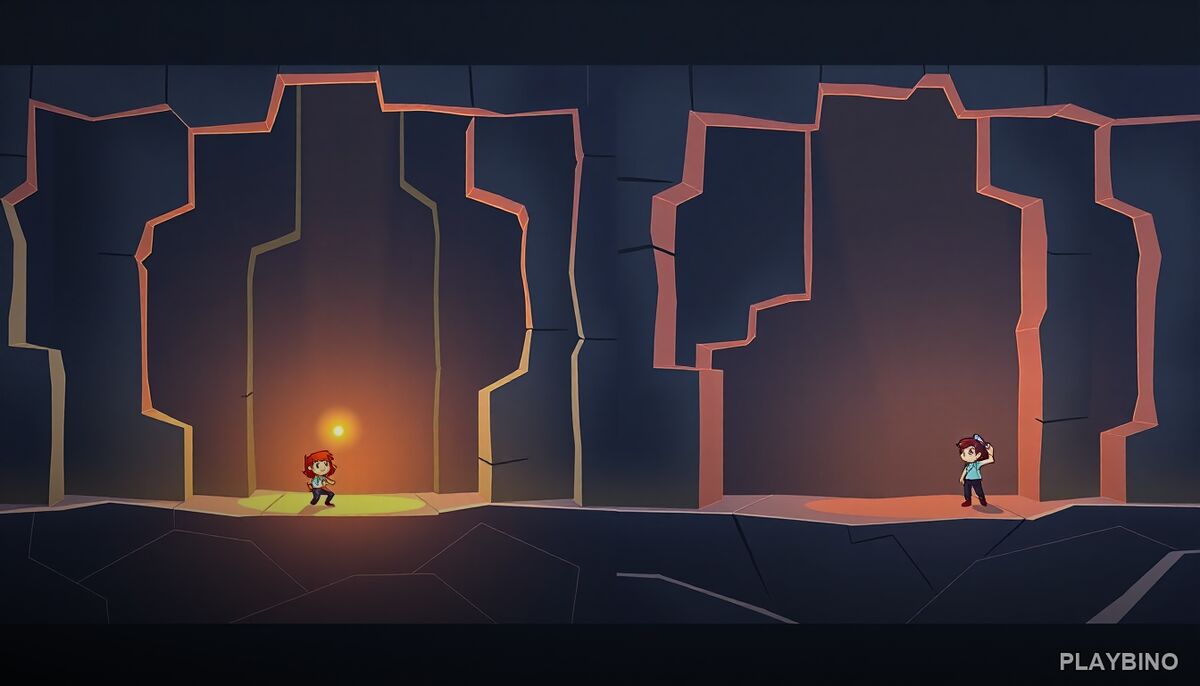
Deep underground, two siblings are searching for a way out. Hardxel drops you into a cave system filled with dangerous platforms, scattered coins, locked chests, and environmental puzzles that neither character can solve alone. The goal is to reach the portal hidden at the end of each stage, but getting there means managing both twins at the same time and keeping them in sync through every obstacle the cave throws at you. Play it directly in your browser and the challenge becomes clear within the first few seconds.
Controlling Both Characters
The core mechanic that separates Hardxel from a standard platformer is dual character control. You are not switching between the two siblings — you are managing both simultaneously. This creates a layer of coordination pressure that grows as the cave passages become more complex.
Input and Movement
Each sibling responds to a separate set of controls, making this a natural fit for two players sharing a keyboard. One player handles the left twin while the other takes the right. In solo play, you manage both sides yourself, which turns every jump and platform transition into a mental juggling act. Timing matters more than speed here.
Cooperative Triggers
Certain doors, switches, and platform mechanisms only activate when both characters are positioned correctly. One sibling standing on a pressure plate while the other crosses a gap is a typical scenario. These cooperative triggers are the puzzle layer sitting on top of the platforming action, and they are what give the game its identity.
Treasure, Keys, and the Exit
Coins line the dangerous routes through each cavern, rewarding players who take riskier paths rather than the safest route to the door. Chests are scattered across the stages, and opening them is part of the progression — each one brings you closer to the key that unlocks the exit door. Collecting everything is optional, but the temptation to grab every coin while keeping both characters alive adds real tension to each run.
How Difficulty Scales
Early stages introduce the basic mechanics gently. Platform gaps are manageable, hazards are visible, and cooperative triggers are straightforward. As you move deeper into the cave system, the layout becomes more demanding. Platforms shrink, hazards multiply, and the coordination required between the two characters becomes much tighter. The puzzle design does not rely on tricks — it builds logically, adding new spatial challenges that require you to think about both positions at once rather than focusing on just one character at a time.
- Dual character movement that rewards coordination over speed
- Environmental puzzles tied to both siblings acting together
- Coin and chest collection adding optional depth to each stage
- Increasing platform complexity as you descend deeper
- Cooperative portal unlock requiring both characters at the end
Best Approach for Solo and Two Players
Two-player sessions on a shared keyboard are the most natural way to experience Hardxel. Splitting the characters between two people removes the mental load of dual control and lets each player focus on their own movement and timing. Communication between players becomes part of the game — calling out when to jump, when to hold position, and when to trigger a switch together.
Solo runs are harder but satisfying in a different way. Controlling both twins alone forces you to slow down, plan each sequence carefully, and accept that some sections require multiple attempts before the coordination clicks. The action puzzle label fits: it is not pure reflex, and it is not pure logic. It sits in between.
A Similar Two-Player Challenge Worth Trying
If the cooperative format appeals to you, another two-player browser experience worth exploring is RedPool Legend 2 Player, which takes a different angle on shared-screen multiplayer action. The cooperative tension is comparable, though the gameplay style shifts away from puzzle platforming. Both games on PlayBino reward players who enjoy working through challenges alongside a partner rather than competing against one.