Hide And Seek Horror Escape: Strategy, Tension, and Asymmetric PvP
What Kind of Game Is This?
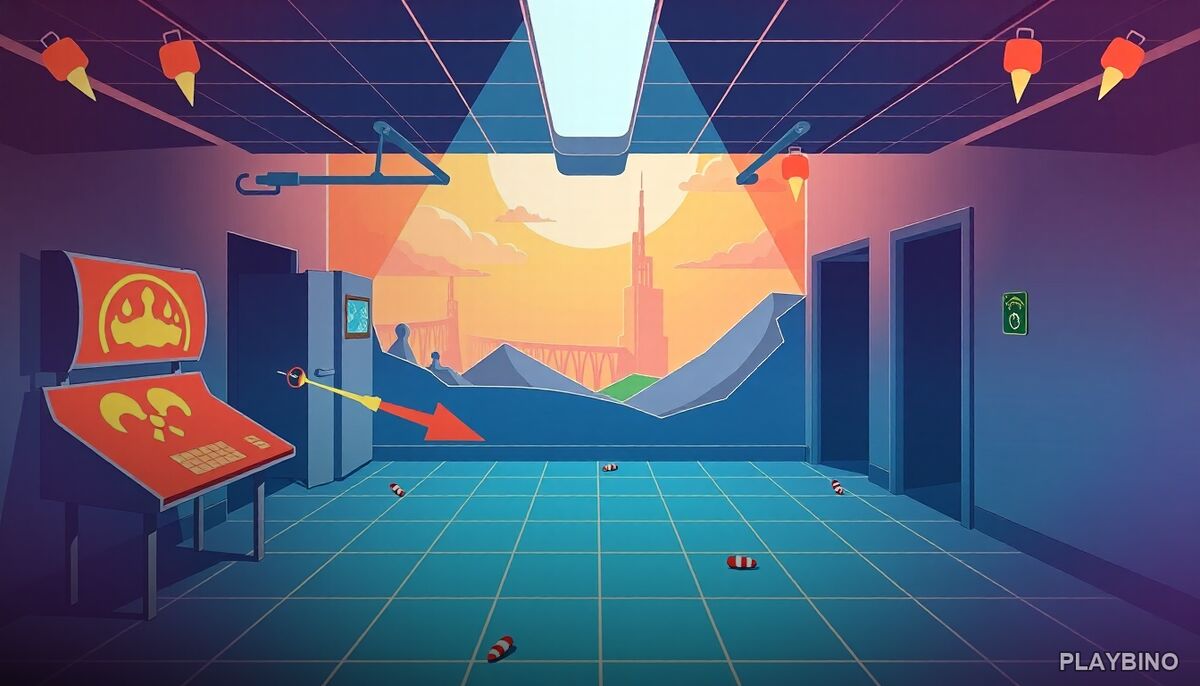
Abandoned hospitals. Deserted school corridors. Flickering lights and the sound of footsteps getting closer. Hide And Seek Horror Escape takes the childhood game and strips away the innocence, replacing it with asymmetric multiplayer tension where every decision carries real consequence. One player hunts, others hide, and the environment does everything it can to keep both sides on edge.
The game sits at the intersection of strategy, action, and PvP competition. It is not a passive experience. Both roles demand active thinking, and the pressure never fully lets up regardless of which side you are on.
Playing as a Hider
Choosing to hide is not the passive option it might seem. The map is full of lockers, furniture clusters, and shadowy corners that offer cover, but none of them are permanently safe. Staying in one spot too long increases your exposure, and a single careless movement can broadcast your position to the seeker.
Timing and Noise
Sound is a core mechanic on the hider's side. Moving at the wrong moment, especially when the seeker is nearby, can undo a perfectly chosen hiding spot. Learning when to stay completely still and when to reposition quietly is the skill that separates survivors from early eliminations.
Spot Selection
Not all hiding spots are equal. Some offer better sightlines to track the seeker's movement. Others provide faster exit routes if you need to relocate. Reading the layout of each map and choosing positions that balance concealment with escape options is the strategic layer that keeps the hider role engaging across multiple matches.
Playing as the Seeker
The seeker role rewards patience and methodical thinking over rushing. Scanning rooms too quickly means missing hidden players. Moving too slowly gives hiders time to reposition. The balance between speed and thoroughness is the central tension of the hunting experience.
Listening for footsteps, watching for movement at the edge of the screen, and using the architecture of each map to funnel hiders into corners are all legitimate tactics. The seeker who wins is usually the one who treats the environment as a tool rather than just a backdrop.
Map Design and Atmosphere
The horror setting is not purely cosmetic. Darkened hallways limit visibility in ways that affect both roles. A hider blending into shadow has a genuine advantage, while a seeker navigating a poorly lit corridor has to rely more on audio cues than visual scanning. The abandoned hospital and school environments each have distinct layouts that reward players who take time to learn their structure.
The atmosphere also adds psychological pressure. Even experienced players feel the tension of waiting in a locker while footsteps approach. That emotional layer is part of what makes the asymmetric format work so well here.
PvP Strategy Across Both Roles
Because the game is built around player-versus-player competition rather than AI opponents, the strategy evolves with every match. Hiders learn to anticipate seeker patterns. Seekers adapt to common hiding behaviors. Over time, both sides develop a kind of meta-awareness that makes each session feel different from the last.
- Hiders should avoid obvious first-instinct spots that experienced seekers check immediately.
- Seekers benefit from establishing a consistent search route rather than moving randomly.
- Both roles require reading the map before committing to a position or path.
- Sound management is as important as visual awareness for both sides.
If the asymmetric hide-and-seek format appeals to you, a similar browser challenge built around the same concept offers a different spatial take on the same dynamic and is worth exploring alongside this one.
Who Will Enjoy This Game
Players drawn to multiplayer games with distinct role-based mechanics will find a lot to work with here. The horror setting adds atmosphere without overwhelming the core gameplay, and the asymmetric structure means no two matches play out identically. On PlayBino, it runs directly in the browser with no downloads required, making it easy to jump into a session and start learning the maps immediately.
"