Hunt Feed the Frog 3: Timing, Bugs, and Tongue Mechanics
What the Game Is About
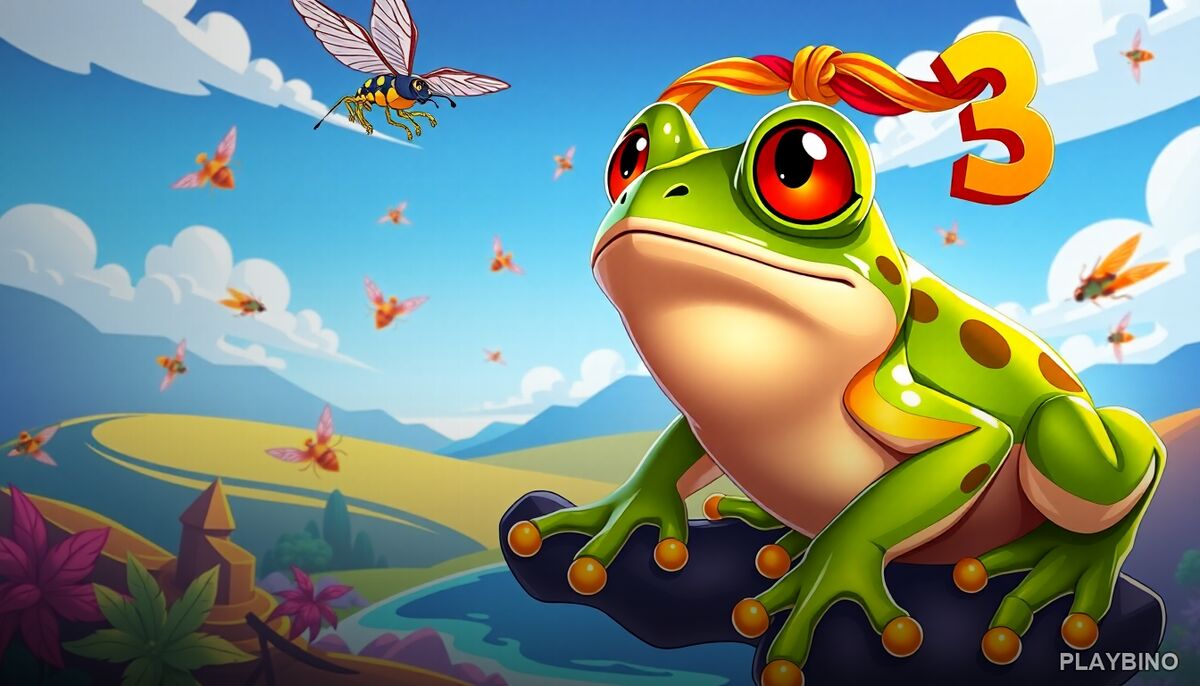
Hunger drives everything in this single-player arcade game. You control a frog with one clear mission: catch enough insects to survive each level. The catch is that bugs don't sit still and wait. They fly, crawl, dart, and loop across the screen in patterns that demand your full attention before you act. Every tongue flick costs you a moment, and a mistimed strike means the prey escapes while the clock keeps moving.
If you want to jump straight in, this browser-based frog game runs directly in your browser with no downloads required.
Reading Bug Movement Patterns
The most important skill in Hunt Feed the Frog 3 is not reaction speed — it is observation. Different insect species behave in completely different ways, and treating them all the same will cause you to miss constantly.
Airborne Insects
Flying bugs tend to move unpredictably. They change direction mid-flight, loop back, or accelerate suddenly. Striking too early almost always results in a miss. The better approach is to track the insect for a full movement cycle before committing. Many flying bugs repeat a pattern after two or three seconds, and that repetition is your window.
Surface Crawlers
Crawling insects follow more predictable paths along walls, branches, or the ground. They are easier to read but sometimes move faster than expected at certain points in their route. Anticipate where they will be in half a second, not where they are right now. The tongue animation has a slight travel time, so leading the target slightly improves your hit rate significantly.
The Tongue-Flick Mechanic
The core interaction is simple in concept but demanding in execution. You trigger the tongue at the right moment, and the frog extends it toward the target. What makes it challenging is the combination of travel time, insect speed, and the cooldown between strikes. You cannot spam the action and expect results. Each attempt needs to be deliberate.
As levels progress, the game introduces scenarios where multiple insects are on screen simultaneously. Prioritizing which bug to chase becomes a real decision. Faster insects often yield higher rewards, but they carry more risk. Slower crawlers are safer bets when you need to maintain a score threshold to advance.
Level Progression and Difficulty Curve
Early stages function as a comfortable warm-up. Bug counts are low, movement is slow, and the timing windows are forgiving. This gives new players space to understand the tongue mechanic without heavy punishment for mistakes.
The difficulty ramps up through a few distinct shifts. First, bug speed increases. Then, multiple species appear at once. Later, the screen layout becomes more complex, with obstacles or narrow areas that limit your angle of attack. By the mid-game, success depends on forming habits around observation rather than pure reaction.
Strategy for Consistent Scoring
- Watch each bug for at least one full movement cycle before striking.
- Target surface crawlers when you need a reliable catch to maintain momentum.
- Use the brief pause between levels to reset your focus rather than rushing into the next round.
- When multiple bugs are present, identify the one with the most predictable path and prioritize it.
- Avoid chasing fast airborne insects when your score is already under pressure.
Who This Game Suits
Hunt Feed the Frog 3 works well for players who enjoy arcade games built around timing and pattern recognition rather than fast reflexes alone. The action tag fits because the game keeps pressure on you throughout, but the real satisfaction comes from reading a tricky bug correctly and landing a clean strike. It rewards patience alongside quick decision-making.
Players who enjoy character-based arcade challenges with a mix of observation and action might also find value in another single-player arcade experience worth exploring on PlayBino. The genre overlaps enough that fans of one tend to enjoy the other.