Ice Cream Fever: Cooking Game – Serving Speed and Sweet Strategy
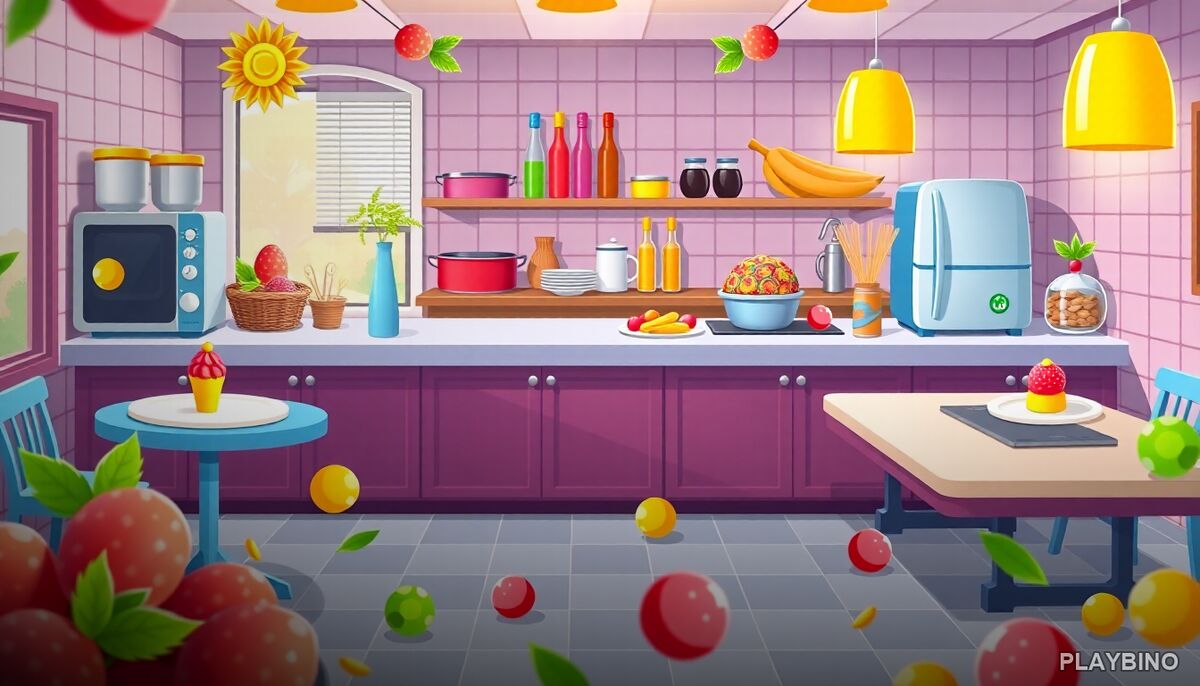
What's Happening at the Counter
Running an ice cream parlor sounds relaxing until the orders start stacking up. Ice Cream Fever: Cooking Game drops you into a colorful, fast-moving simulation where customers arrive one after another, each with a specific frozen treat in mind. Your job is to read each order, assemble it correctly, and serve it before patience runs out. Play it directly in your browser and you'll immediately feel the rhythm the game is built around — calm at first, then relentlessly busy.
The tapping mechanics stay accessible throughout, but the real pressure comes from juggling multiple customers at once. Scoop the right flavor, layer on the correct toppings, and hand it over fast. Miss a step or move too slowly and a customer walks away unhappy, costing you the rating you need to clear the level.
How the Orders Work
Each customer arrives with a visible order — specific ice cream flavors, cone or cup, toppings, and extras. Early levels keep the combinations simple: one or two ingredients, a short wait timer, manageable volume. As you progress, the menu expands and the crowd grows. You might be building three orders simultaneously while a fourth customer joins the queue.
Toppings and Timing
Adding toppings isn't just cosmetic. Getting them wrong resets that part of the order, wasting precious seconds. Accuracy matters as much as speed. A rushed order with the wrong sprinkles is worse than a slightly slow but correct one. The game rewards players who stay organized under pressure rather than those who just tap frantically.
Customer Patience
Each customer has a patience meter that drains in real time. Serving quickly earns bonus points; letting the meter empty loses the customer entirely. Prioritizing who to serve first becomes a genuine strategic decision, especially when two customers are nearly out of patience at the same time.
Progression and Upgrades
Between service rounds, you can invest in upgrades. Faster equipment reduces the time it takes to scoop or add toppings. Expanded menu options unlock new ingredients that appear in later levels. Some upgrades improve customer patience timers, giving you slightly more breathing room as levels get harder.
The upgrade system isn't deep enough to feel like a full simulation, but it adds a satisfying layer of progression. Clearing a tough level and immediately putting those coins toward a faster blender or a new topping station feels rewarding.
- Equipment speed upgrades reduce preparation time
- Menu expansions introduce new recipes and ingredient combos
- Patience boosters extend how long customers will wait
- Tip bonuses reward consecutive correct orders
The Cooking Simulation Feel
The game sits firmly in the cooking and time-management simulation space. It shares DNA with classic diner-style games but keeps the focus narrowed to ice cream, which gives it a distinct identity. The cheerful visual style — bright colors, animated customers, satisfying serve animations — keeps the atmosphere light even when the pace becomes demanding.
Fans of skill-based simulation games will find the escalating difficulty curve well-paced. Each new level introduces something slightly different: a new ingredient, a faster customer type, or a longer queue. The game never throws everything at you at once, which makes the learning curve feel fair rather than punishing.
Who This Game Suits
If you enjoy cooking simulation games and don't mind a challenge that grows steadily harder, this one delivers. The short level format makes it easy to play in bursts. The skill ceiling is real — later levels demand genuine multitasking and quick decision-making — but the entry point is low enough that new players can find their footing quickly.
Panda The Cake Maker follows a similar food-preparation concept, and that cooking challenge is worth exploring if you like the order-and-serve format. Both games share the same satisfying loop of reading an order, building it correctly, and racing the clock.
Strategy for Later Levels
Once the queue grows to four or five customers, random tapping stops working. Scan all active orders before touching anything. Start with the customer closest to losing patience, but only if their order is quick to complete. A complex five-topping order for an impatient customer might be worth letting go if two simpler orders can be served in the same time window.
Upgrade your equipment in the order that reduces your slowest step first. If scooping takes the most time, upgrade that before anything else. The game on PlayBino runs smoothly in any modern browser, so there's no friction between you and the counter.