Idle Builder: Construct Your Entertainment Empire One Brick at a Time
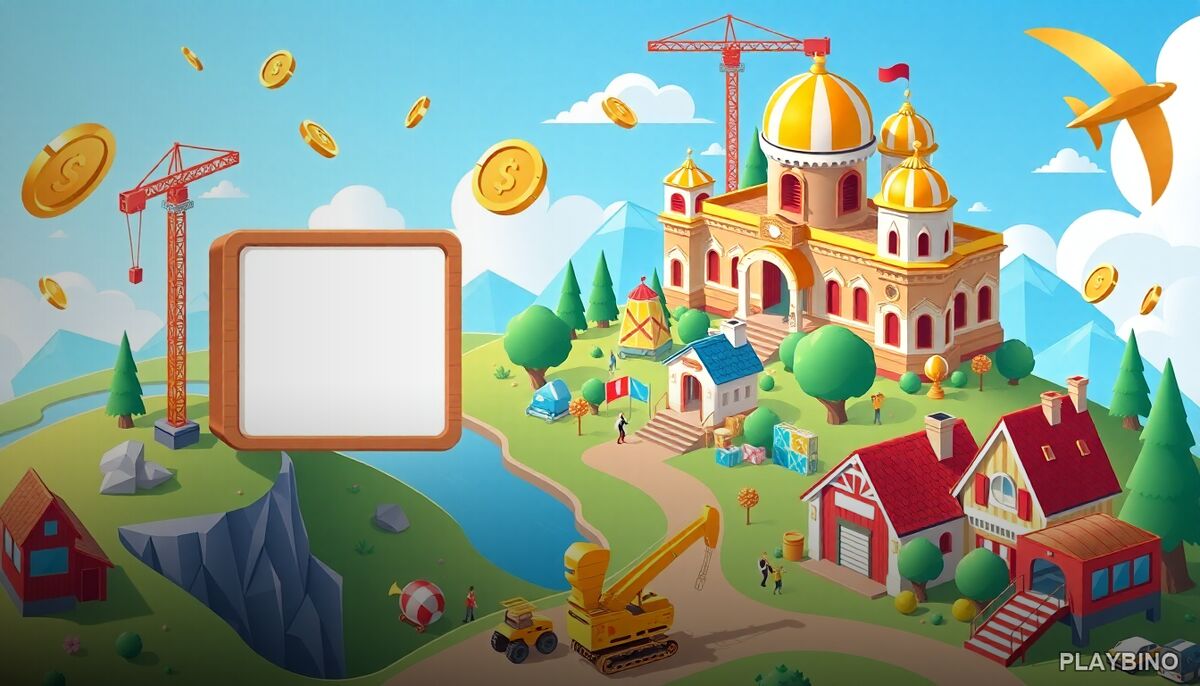
What Idle Builder Is About
Starting with bare ground and a handful of workers, your job is to grow a full entertainment complex without ever picking up a single brick yourself. Workers handle construction automatically once hired, laying pieces into place while income trickles in from each completed section. The loop is simple on the surface, but the decisions underneath it carry real weight. You can play this idle simulation on PlayBino directly in your browser without any downloads or accounts.
How the Construction Loop Works
Each building section your crew completes generates revenue. That revenue feeds back into the operation — more workers, faster builds, new structures unlocked. The cycle feels satisfying because progress is always visible. Walls go up, attractions take shape, and the site transforms in a way that feels earned rather than handed to you.
Workforce Expansion
Hiring more workers is the most direct way to accelerate construction speed. Early on, a small crew handles basic structures, but as the site grows in complexity, you need more hands to keep multiple builds moving simultaneously. Each new hire costs more than the last, so timing your workforce purchases matters.
Unlocking Attractions
Cafes, rides, and entertainment venues each generate different revenue streams. Some attractions pay out steadily over time while others spike income when completed. Choosing which attraction to unlock next is one of the more interesting decisions the game offers, especially when funds are limited and several options are available.
The Strategic Layer
Idle Builder sits comfortably in the clicker and simulation space, but the strategy element gives it more depth than a passive experience. You are constantly weighing two priorities: spend earnings on workforce to build faster, or hold back and invest in higher-revenue attractions that pay off over a longer horizon. Neither approach is always correct. The right call depends on where your complex is in its development and what attractions are closest to completion.
Players who lean into long-term planning tend to build more efficiently, while those who expand the workforce aggressively early can hit income walls later when new attractions cost significantly more to unlock. Finding that balance is where the game holds its tension.
Progression and Pacing
The pacing in idle games lives or dies by how rewarding each stage of growth feels. Idle Builder handles this well by making each completed structure visually distinct and functionally meaningful. You are not just watching numbers climb — you are watching an actual entertainment park take form, which gives the idle loop a clearer sense of purpose than many games in the genre.
The momentum builds gradually. Early stages move quickly, giving you fast feedback and frequent decisions. Later stages slow down, which is typical for simulation titles of this type, but the anticipation of unlocking a new major attraction keeps the experience from stalling.
Who This Game Suits
- Players who enjoy idle and clicker mechanics with a clear visual payoff
- Anyone interested in light simulation and resource management without complex controls
- Strategy fans who prefer planning over reflex-based gameplay
- Browser gamers looking for something to run in the background while multitasking
A Similar Experience Worth Exploring
If the construction and expansion format clicks with you, the concept scales up interestingly in other idle builders. This look at a comparable idle construction game covers a title that takes the same core loop and applies it to recognizable global structures, which adds a different kind of motivation to the building process. The two games share enough DNA that fans of one will likely find the other worth their time.
"