Insane Galaxy Ball 2024: Rolling Through Space on a Razor\'s Edge
What Kind of Game Is This?
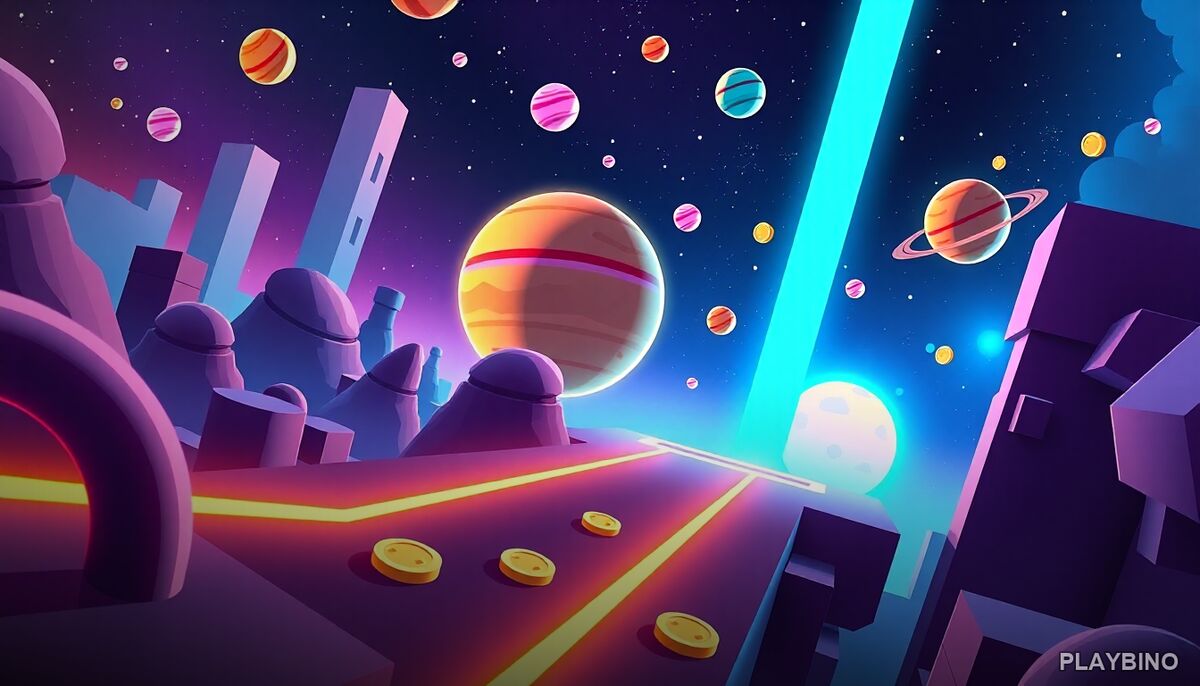
Insane Galaxy Ball 2024 is a single-player endless runner built around one deceptively simple idea: keep a ball rolling without falling off. The platforms are suspended in deep space, the tracks narrow as you progress, and momentum works against you as much as it works for you. There are no enemies, no health bars — just physics, reflexes, and the void waiting below.
The game sits comfortably in the arcade tradition of score-chasing and survival, but the space setting gives it a distinct visual identity. Nebula zones glow with color while debris-filled sectors feel genuinely chaotic. If you want to try the full run, the browser version loads instantly with no setup required.
How the Rolling Mechanics Work
The core loop is about controlling a sphere across a winding elevated track. You steer left and right while the ball naturally accelerates. That acceleration is the central tension — speed helps you clear gaps, but it also makes sharp turns far more dangerous.
Momentum and Steering
Momentum builds gradually, and the game does not give you a brake button. Managing your line through curves means anticipating them several frames ahead. Reacting at the last moment usually sends the ball off the edge. The physics feel responsive but unforgiving, which is exactly what this type of arcade runner needs to stay engaging.
Coins and Route Decisions
Glowing coins are scattered along the paths, sometimes sitting right at the edge of a turn or near a gap. Chasing them forces small route adjustments mid-roll. Those adjustments can cost you the run if your momentum is already high. Deciding whether a coin cluster is worth the risk becomes a genuine micro-decision rather than a passive reward.
Track Design and Difficulty Curve
The environments shift as you progress. Early sections use wider platforms and gentler curves, giving you room to find the steering feel. Later stages introduce narrower surfaces, tighter bends, and gaps that appear with very little warning. The transition from nebula zones to debris-filled sectors is not just visual — the track geometry becomes genuinely more hostile.
What makes the difficulty curve work is that it never feels random. Each new hazard is something you could have anticipated with better track reading. The game rewards players who scan ahead rather than react to what is directly under the ball.
Survival Strategy
- Stay near the center of the track during high-speed sections rather than hugging either edge.
- Slow your steering input before curves, not during them.
- Treat coin clusters near edges as optional until you are comfortable with the current speed.
- Use the visual texture changes in the environment as early warnings that the track is about to shift.
- Accept that the first few runs are calibration — the game teaches through failure more than through instruction.
Who This Game Suits
Insane Galaxy Ball 2024 works well for players who enjoy short, high-intensity arcade sessions. A single run can last anywhere from thirty seconds to several minutes depending on skill, which makes it easy to fit into any schedule. The one-player format keeps the focus entirely on personal improvement rather than competition.
Players who enjoy spatial awareness challenges and physics-based movement will find the most satisfaction here. The game does not rely on power-ups or unlockable abilities — progression comes entirely from reading the track better and managing speed more precisely. Neon Ball Slope covers similar ground with its own take on ball-rolling survival, and that neon arcade experience is worth a look if you want to compare how two games handle the same core concept differently.
The Space Setting as a Gameplay Element
The cosmic backdrop is not purely decorative. The absence of solid ground below the platforms makes every near-miss feel genuinely precarious. Visually, the glowing edges of narrow paths against a dark starfield make it easy to read where the track ends. PlayBino hosts the game in a clean browser format that keeps the visuals sharp without any performance issues on standard hardware.
The sound design reinforces the isolation — sparse ambient tones rather than loud music, which keeps the focus on the movement. For an endless runner, the atmosphere is unusually coherent, and it makes longer runs feel more immersive than the genre typically delivers.