Jelly Block Puzzle: Grid Strategy and Match-3 Merging
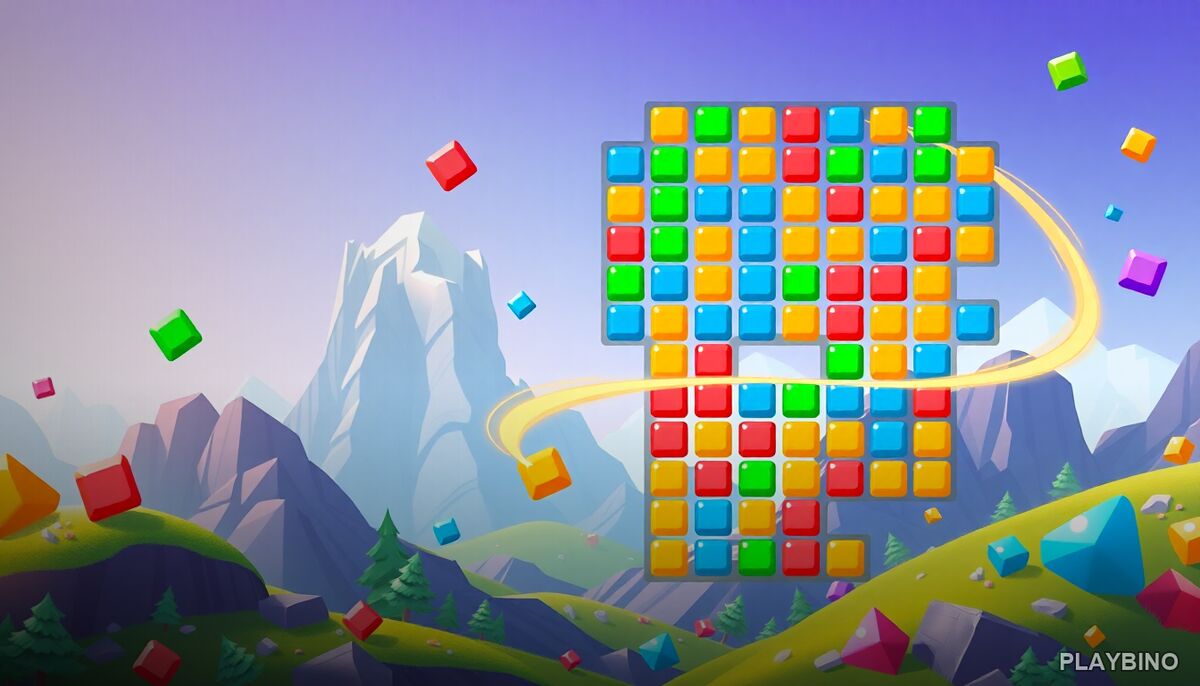
What the Game Is About
Grid puzzles that rely on merging mechanics have a particular pull — every move matters, and the board slowly becomes a puzzle within a puzzle. Jelly Block Puzzle builds on this idea by asking you to place and combine colorful jelly pieces on a limited grid. Smaller blocks merge into larger ones, and those larger ones can merge further, creating satisfying chain reactions that clear space and rack up points. You can play this browser puzzle on PlayBino without any download or setup.
How the Merging Works
The core loop is straightforward: jelly pieces land on the board, and matching pieces of the same type or color combine into a higher-tier block. That new block can then merge again if a matching neighbor is nearby. The chain reaction element is where the strategy lives. A single well-placed piece can trigger two or three merges in sequence, opening up significant space on the grid.
Piece Placement
You cannot always choose where pieces go, which means reading the board ahead of time becomes critical. Before placing anything, scan for clusters that are one piece away from merging. Prioritizing those spots prevents the grid from filling unevenly.
Chain Reactions
The most rewarding moments come when a placement triggers a cascade — one merge leads to another, and suddenly a crowded corner clears out. Building toward these chains requires patience. Forcing merges too early often leaves mismatched blocks scattered across the board with no clean resolution.
Managing the Board
Space management is the central challenge. As new pieces arrive, the board fills faster than it empties unless you are actively creating merge opportunities. Leaving isolated blocks in corners is one of the most common mistakes. Those pieces become dead weight when no matching block is nearby, and they quietly eat into the space you need for future placements.
Keeping one or two open zones intentionally — even when it feels wasteful — gives you room to maneuver when the board gets tight. Think of open cells as a buffer, not wasted space.
Power-Ups and Tactical Choices
When the board reaches a critical state, power-ups provide a way out. These tools can clear specific cells, remove problem blocks, or create room for a combination that was otherwise blocked. Using them reactively works, but saving them for moments when a single clear will unlock a chain reaction is usually more effective.
- Clear a single stubborn block that is breaking a potential merge cluster
- Open space in a corner where isolated pieces have stacked up
- Create a gap that allows two high-tier jellies to connect
Power-ups are limited, so treating them as emergency tools rather than routine moves extends how long each session stays viable.
Difficulty Curve and Player Experience
The game scales gradually. Early rounds give you breathing room to understand how merges chain together. As sessions progress, pieces arrive more frequently or in less convenient configurations, which forces faster decision-making without completely removing the strategic layer. It stays engaging rather than punishing, which makes it accessible to players who enjoy puzzle logic without extreme pressure.
The visual feedback — jellies wobbling and bouncing as they merge — adds a tactile quality that makes each successful move feel concrete. It is a small detail, but it reinforces good decisions in a way that keeps the rhythm enjoyable.
Similar Puzzle Experience to Try
If the jelly theme and fast-paced merging appeal to you, this related Jelly Rush challenge covers another browser game built around quick jelly-based decisions. The mechanics differ, but the genre overlap makes it a natural next stop for anyone who enjoys this style of puzzle play.