Journey Of Carter: Platformer Guide, Tips & Gameplay Breakdown
What Kind of Game Is This?
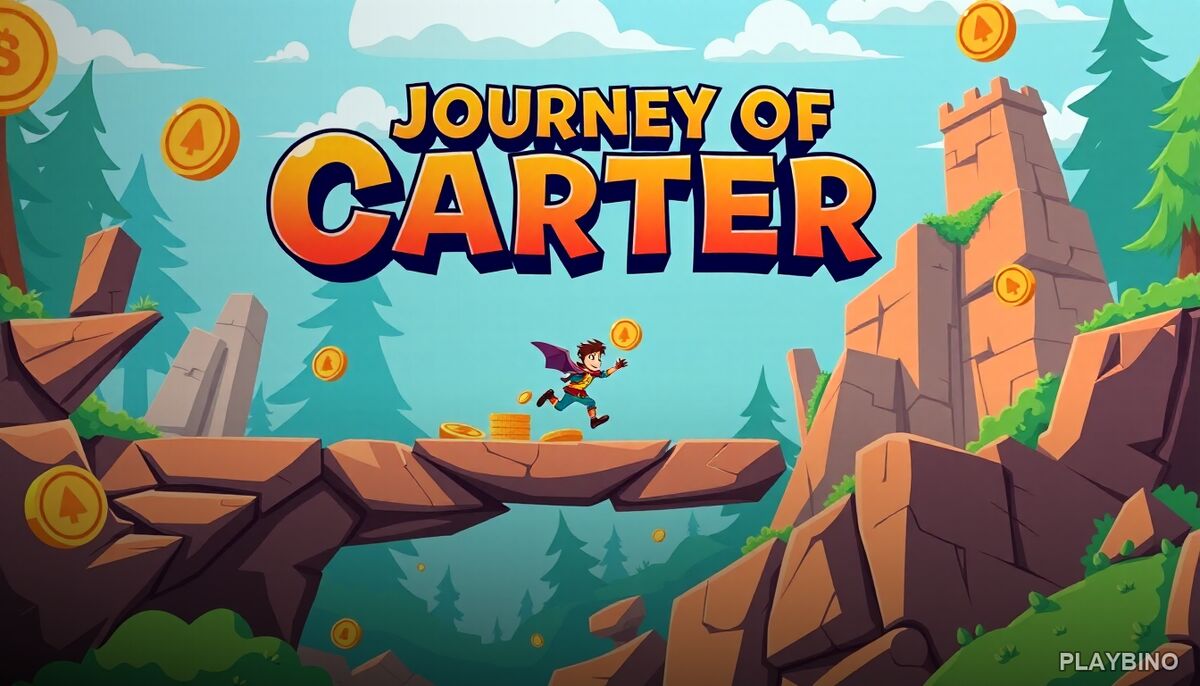
Journey Of Carter is a single-player action arcade platformer built around one core idea: every obstacle has a pattern, and learning that pattern is how you progress. Carter moves through mysterious environments packed with traps, gaps, and hazards that punish rushed decisions. The game does not hand you anything — it asks you to observe, time your moves, and try again when things go wrong.
If you want to jump straight in, try the full run directly in your browser and see how far patience and reflexes can take you.
Navigating the Levels
Each stage in Journey Of Carter is a carefully constructed obstacle course. Platforms are spaced to challenge your jump timing, and traps are placed where impatience gets punished. The level design rewards players who slow down long enough to read what is coming next rather than charging forward.
Hazards and Traps
The dangers you face are not random. Spikes, moving platforms, and environmental traps follow predictable cycles. Once you recognize the rhythm of a hazard, clearing it becomes a matter of execution rather than luck. Early levels introduce these mechanics gently, but later stages layer multiple hazards in quick succession.
Collecting Gold Coins
Scattered across every level are gold coins that tempt you off the safest path. Grabbing them all is optional, but chasing full collection runs adds a meaningful layer of challenge. Some coins are placed near traps deliberately, making you decide whether the risk is worth it.
Controls and Movement Feel
The platforming mechanics in Journey Of Carter are intentionally straightforward. Movement and jumping are the primary tools, and the game does not overcomplicate them with special abilities or complex inputs. This simplicity keeps the focus where it belongs — on reading the environment and executing precise jumps at the right moment. The controls respond cleanly, so when you fall, it rarely feels unfair. It feels instructive.
Difficulty Progression
The game scales its difficulty through stage design rather than artificial stat increases. Early levels function as a tutorial in disguise, letting you build muscle memory for the timing windows that harder stages will demand. By the midpoint of the game, you are managing multiple moving elements simultaneously, and the margin for error shrinks noticeably. The progression feels earned rather than arbitrary.
- Traps become faster and more layered in later stages
- Platform gaps widen as levels advance
- Coin placement grows more risky the further you go
- New environmental hazards are introduced gradually
Strategy That Actually Helps
The most useful habit to develop early is pausing before each new section. Watching a trap cycle once before committing to a jump saves far more time than rushing and resetting. Carter's quest rewards methodical players who treat each death as data rather than frustration.
Chick Chase on PlayBino offers a different kind of arcade challenge if you want something with a lighter tone between runs — the two games share that quick-session energy that makes browser gaming satisfying.
Who Will Enjoy This Game
Journey Of Carter suits players who like arcade action with a clear skill curve. It does not rely on randomness or luck — every run is a direct reflection of how well you have learned the level. The single-player format keeps the focus tight, and the absence of timers on most sections means you can approach it at your own pace. If precise platforming and gradual mastery appeal to you, this one delivers exactly that.