Jump Mania: Timing, Reflexes, and the Endless Run
What Jump Mania Is About
Some arcade games hook you with complexity. Jump Mania does the opposite. The premise is stripped down to a single repeated action — jumping — but the execution demands real precision. Obstacles arrive in a continuous stream, speeds shift without warning, and one mistimed leap ends everything. The full run is available to play in your browser, no download needed.
The game sits firmly in the endless runner genre, where survival is measured in distance and every session is a fresh attempt at outlasting your previous best. The satisfaction comes not from unlocking new levels but from reading the rhythm better each time.
The Core Mechanic
The entire game revolves around jump timing. Obstacles approach from the right at varying speeds, and your character must clear each one cleanly. There are no complex controls, no multi-button combos. The challenge lives entirely in the gap between when an obstacle appears and when you commit to the jump.
Reading the Rhythm
Early in a run, the pace feels manageable. Obstacles arrive with enough spacing to react comfortably. As the run extends, that spacing tightens. The speed increases, and the window for a clean jump shrinks. What starts as a relaxed rhythm gradually becomes a test of concentration that punishes even small hesitations.
Pattern Recognition
Repeated play reveals that obstacle sequences follow recognizable patterns. Learning those patterns is what separates a short run from a long one. Players who treat each attempt as a learning session rather than a one-off try tend to push their scores significantly higher over time.
Why the Difficulty Curve Works
Many endless runners front-load difficulty or spike it unpredictably. Jump Mania scales more gradually, which keeps the early game approachable while still building toward a genuinely demanding challenge. The margin for error shrinks consistently, so the pressure feels earned rather than arbitrary.
This consistency is one of the stronger design choices in the game. You never feel cheated by a sudden difficulty wall. Instead, the run simply demands more from you the longer it continues, which makes every personal best feel like a real improvement in skill rather than luck.
Characters and Visual Style
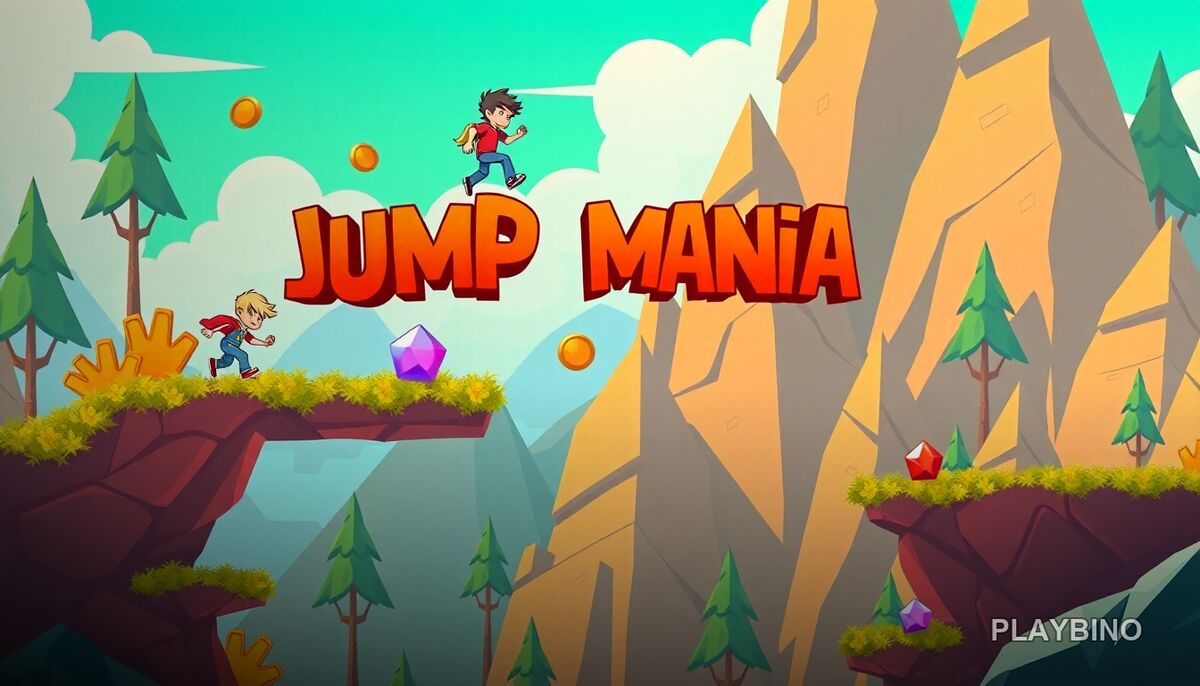
Multiple characters are available, each offering a different visual style without changing the underlying mechanics. This keeps the gameplay fair across all choices while giving players a small layer of personalization. The visual design is clean and readable, which matters in a game where split-second reactions depend on clearly seeing what is coming.
Strategy for Longer Runs
- Stay focused on obstacle spacing rather than just reacting to each one individually.
- Keep your eyes slightly ahead of your character to anticipate incoming obstacles earlier.
- Avoid jumping too early — committing before the obstacle is close enough often causes unnecessary errors.
- Accept that the run will end and treat each session as practice for the next.
- Short sessions work well for building muscle memory without mental fatigue.
Who This Game Suits
Jump Mania works well for players who enjoy arcade challenges built around repetition and incremental improvement. It fits naturally into short gaming sessions — a few minutes between tasks, a quick attempt during a break. The one-player format keeps the focus entirely on personal progression rather than competition.
If the arcade and skill-based format appeals to you, another quick skill challenge worth trying is Too Fit Too Fat, which brings a different kind of timing-based gameplay to the browser. PlayBino carries both titles alongside a wide range of similar single-player arcade experiences.