Jumping Star: Vertical Arcade Runner That Tests Your Reflexes
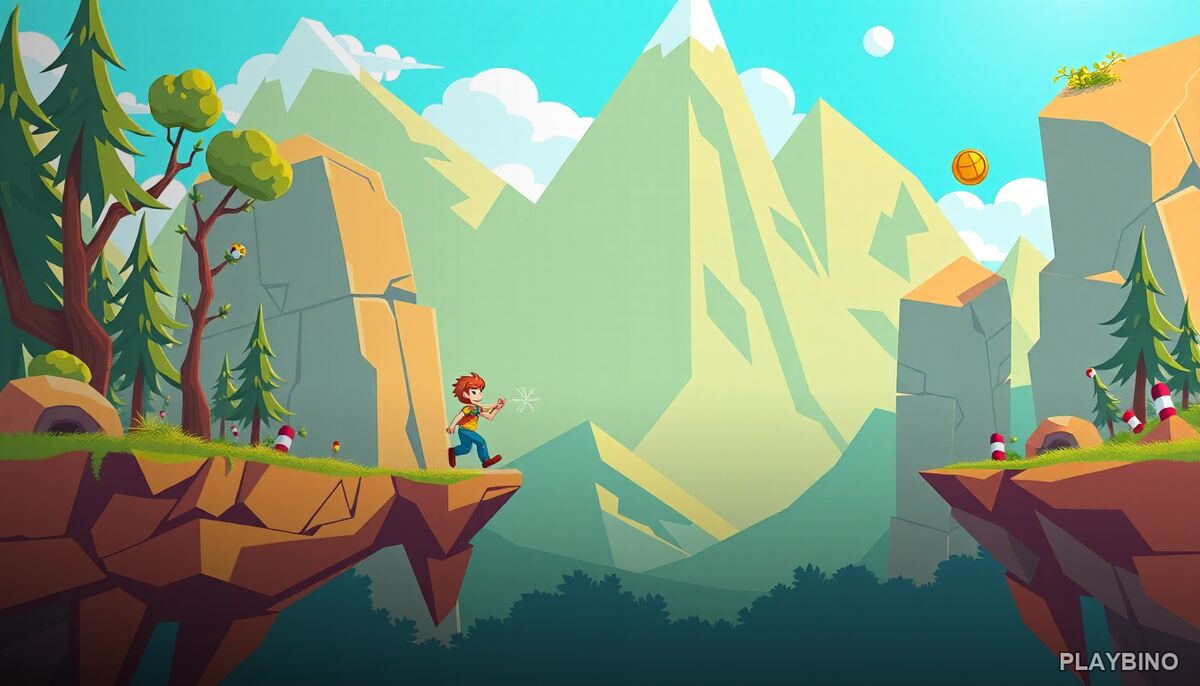
What Jumping Star Is About
Most endless runners move left to right, but Jumping Star flips the axis. You're climbing upward, leaping from platform to platform while hazards slide in from both sides of the screen. The goal is straightforward: keep jumping, avoid the obstacles, and climb as high as possible before one mistimed move ends your run. Try the full vertical climb and see how far your reflexes can carry you.
The Core Mechanic and Why It Feels Different
The bouncing character moves with a natural momentum that you control through timing rather than complex inputs. Each jump has weight to it. Land too early and you're off-center; wait too long and a hazard catches you. The vertical layout means you're always reading what's above you while reacting to threats coming from the sides.
Positioning in the center of the screen becomes a key habit. Hazards approach from the left and right alternately, so staying central gives you the most reaction time. As the pace increases, that margin shrinks, and the game starts demanding faster reads and cleaner jumps.
How the Difficulty Builds
Early Runs
The opening stretch is forgiving. Platforms are spaced consistently, hazards move at a manageable pace, and you have time to settle into the rhythm. This is where you learn the jump arc and start feeling the timing window.
Mid and Late Game
Once you've built momentum, the speed ramps up noticeably. Hazards come faster and from tighter angles. Platforms may require more precise landings. The game doesn't introduce new mechanics so much as it compresses the time you have to react, which is where the real arcade challenge lives. Extended runs require consistent focus rather than bursts of skill.
Scoring and Replay Value
Each successful jump adds to your height score. There's no complex multiplier system — the score reflects how far you climbed, which keeps the feedback loop clean and motivating. Chasing a personal best is the main driver here, and the short session length means you can attempt another run almost immediately after failing.
- Score is based on vertical height reached
- No checkpoints — each run starts fresh
- Pace increases naturally as you climb higher
- Colorful visuals keep the screen readable even at speed
- Responsive controls reduce input lag frustration
Who This Game Suits
If you enjoy arcade games that reward rhythm and spatial awareness over memorization, this one fits well. The 1-player format means there's no waiting, no matchmaking — just you and the obstacle course. Sessions can last anywhere from thirty seconds to several minutes depending on how well you read the hazard patterns, making it a good fit for short breaks or longer grinding sessions when you're chasing a high score.
Players who enjoy vertical platformers or reflex-based arcade games on PlayBino will find the format familiar but the execution sharp enough to stay engaging across multiple attempts.
A Similar Vertical Challenge Worth Trying
If the jump-and-dodge format appeals to you, another vertical arcade experience built around the same core idea is Jump PumpkinJump — a seasonal take on the climbing genre with its own rhythm and obstacle style. It's worth a run if you want to compare how two games handle the same basic mechanic differently.