Jungle Jump: Bounce Animals Across the River with Timing and Skill
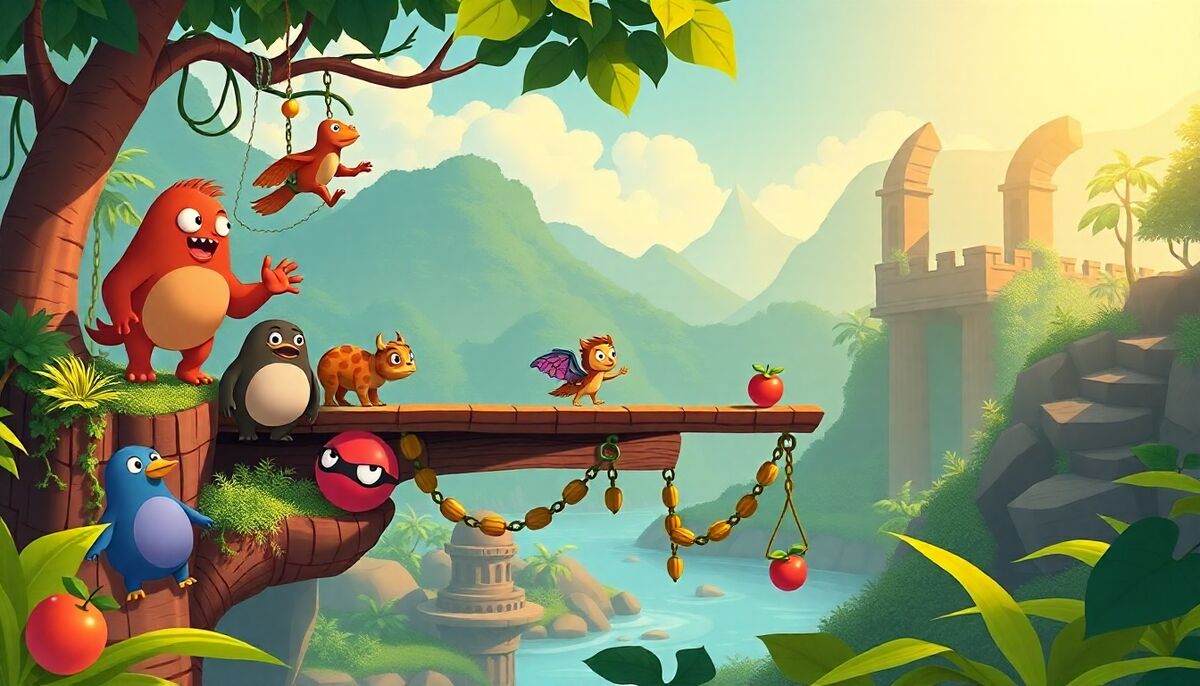
What Jungle Jump Is About
A wooden platform, a flowing river, and a lineup of cheerful animals waiting to cross — that is the setup. Your job is to bounce each creature safely to the other side by controlling the platform's position and timing each launch correctly. The concept is simple, but the execution demands focus. You can play the full browser version here and see how quickly the rhythm of the game pulls you in.
The Fruit System Changes Everything
Scattered across each crossing are fruits, and not all of them help you. Fresh fruits reward you with points and can restore extra lives, making them worth chasing. Spoiled fruits, however, temporarily shrink your platform — which is the last thing you want when you are mid-bounce with a tricky animal incoming.
This creates a real decision layer on top of the basic bouncing action. Do you steer toward that cluster of fruit and risk grabbing a rotten one, or play it safe and focus on clean landings? That tension is what keeps each round feeling different from the last.
Platform Size as a Resource
Your platform is not just a static tool — it behaves like a resource you manage. Spoiled fruit shrinks it, power-ups restore it, and your ability to land animals consistently depends on how well you protect it. Losing platform size mid-session forces you to adjust your timing on the fly, which is where most mistakes happen.
Timing and Precision in Practice
The core skill here is reading the arc of each bounce. Animals do not all behave the same way — lighter or bouncier creatures may travel differently than heavier ones. Getting a feel for how much force the platform delivers takes a few rounds, but once it clicks, the action flows naturally.
When to Use Power-Ups
Power-ups appear between crossings rather than during them, which gives you a brief window to recover before the next animal arrives. Prioritizing platform restoration power-ups after a string of spoiled fruit hits is usually the smarter play over point-boosting options when your platform is small.
Who This Game Is Built For
The colorful jungle visuals and friendly animal characters make it approachable for younger players and family sessions. But the underlying arcade mechanics — shrinking platforms, spoiled fruit penalties, and timing-based bouncing — give it enough depth to hold the attention of players who enjoy skill-based action games. It sits comfortably in the one-player arcade space without feeling too easy or frustratingly difficult.
- Timing-based bouncing across a river setting
- Fresh and spoiled fruit with opposite effects on your platform
- Power-ups that appear between rounds to help you recover
- Bright visuals suited for casual and family play
- Increasing challenge as the session progresses
Comparable Arcade Challenges
If the bouncing and timing mechanics here appeal to you, it is worth exploring other arcade skill games that play with similar ideas. Devil Flip takes a different approach to the flip-and-land concept — that arcade experience is covered in detail here if you want to compare how the two games handle skill-based action differently.
Staying Consistent Through Later Rounds
The biggest mistake new players make is chasing every fruit without reading what type it is first. Building a habit of quick visual checks before committing to a direction pays off significantly in later rounds when the platform is already reduced and one bad fruit can cost a crossing. PlayBino hosts the game in-browser with no setup required, so jumping back in for another run takes seconds — which makes it easy to practice the rhythm until the timing feels natural.