Kaiju Run Dzilla Enemies: Monster Combat Meets Endless Running
What Kind of Game Is This?
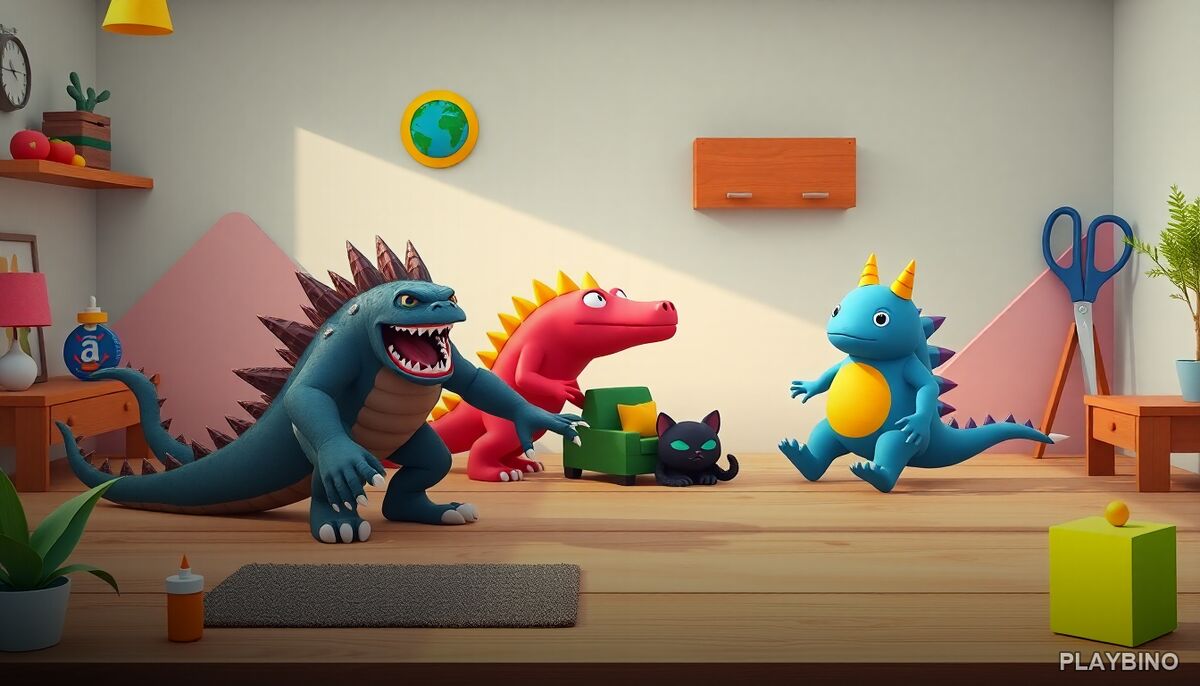
Kaiju Run Dzilla Enemies sits at the crossroads of endless runner momentum and monster-brawling action. You're not just dodging obstacles — you're throwing punches at hulking creatures mid-sprint, collecting energy pickups, and building toward a massive dinosaur boss encounter. The 3D environments are vibrant and kinetic, and the game moves fast enough that every second of hesitation costs you.
If you want to jump straight into the action, try the full run on PlayBino and see how far your first attempt takes you.
Core Gameplay Loop
Each run follows a rhythm: sprint forward, collect green energy orbs scattered across the path, and knock out the monster enemies standing between you and the next stretch. The green collectibles aren't just points — they fuel your fighter's momentum, making them essential to pick up consistently rather than ignoring in favor of pure speed.
Enemies block your path and require direct combat. Landing punches at the right moment keeps your run alive. Miss your timing or skip too many collectibles, and the later stages hit noticeably harder. The pacing rewards players who stay aggressive without losing control.
Boss Encounters
At the end of a stage sequence, a towering dinosaur boss appears. These fights escalate the intensity significantly. The boss has a larger hit zone, hits back harder, and tests whether your fighter has been upgraded enough to survive the exchange. Beating the boss adds a strong score bonus and marks real progression through the game.
DIY Map Mode and Its Six Challenges
Beyond the main endless runner format, Kaiju Run Dzilla Enemies includes a DIY map mode featuring six distinct challenges, each built around a different animal character. These scenarios introduce fresh tactical situations — different movement patterns, varied hazard placement, and unique enemy behaviors that change how you approach combat timing.
The DIY map mode is where the game's depth becomes more apparent. Each challenge feels distinct enough to require a different approach rather than simply repeating the same sprint-punch loop. Working through all six gives players a broader sense of the game's mechanics than the main run alone provides.
Upgrades and Customization
Diamonds and the Shop
Diamonds collected during runs feed directly into the in-game shop, where character skins can be unlocked. This gives the cosmetic side of the game a natural progression loop — you earn while playing rather than waiting for arbitrary milestones.
Strengthening Your Fighter
Upgrading your character between runs is not optional at higher difficulty levels. Tougher opponents in later stages require a stronger base fighter to defeat without losing momentum. Prioritizing upgrades before pushing into harder content is the smarter approach, especially before attempting boss stages again after a failed run.
Who Plays Best Here
The game suits players who enjoy action arcade titles with a clear progression structure. The endless runner format keeps sessions short and replayable, while the monster combat and boss fights add enough variety to make repeated runs feel purposeful. Speed-focused players will enjoy chaining enemy defeats quickly, while more methodical players may focus on collectible efficiency and upgrade timing.
Players who like quick-session browser games with layered mechanics tend to get the most out of it. The similar structure — fast runs, collectibles, and escalating challenge — also appears in other browser titles. A different kind of quick challenge worth comparing is this alternative browser experience if you want something that shifts the pace entirely.
Combat Timing Is the Real Skill
The most important thing to understand early is that combat timing matters more than raw speed. Rushing through enemies without landing clean punches disrupts your flow and leaves you entering boss fights underleveled. The game rewards players who find the rhythm between sprinting and striking — moving fast but staying precise. Once that balance clicks, the runs feel much more controlled and the score climbs naturally.