Kiddie Farmers: Farm Management, Market Strategy, and Idle Simulation
What Kind of Game Is Kiddie Farmers?
Kiddie Farmers sits at the crossroads of idle simulation and light strategy. You're not just watching crops grow — you're making decisions that shape how a small neighborhood market operates. The cheerful art style and accessible mechanics make it easy to pick up, but the underlying loop of planting, harvesting, pricing, and restocking keeps the experience moving at a steady pace.
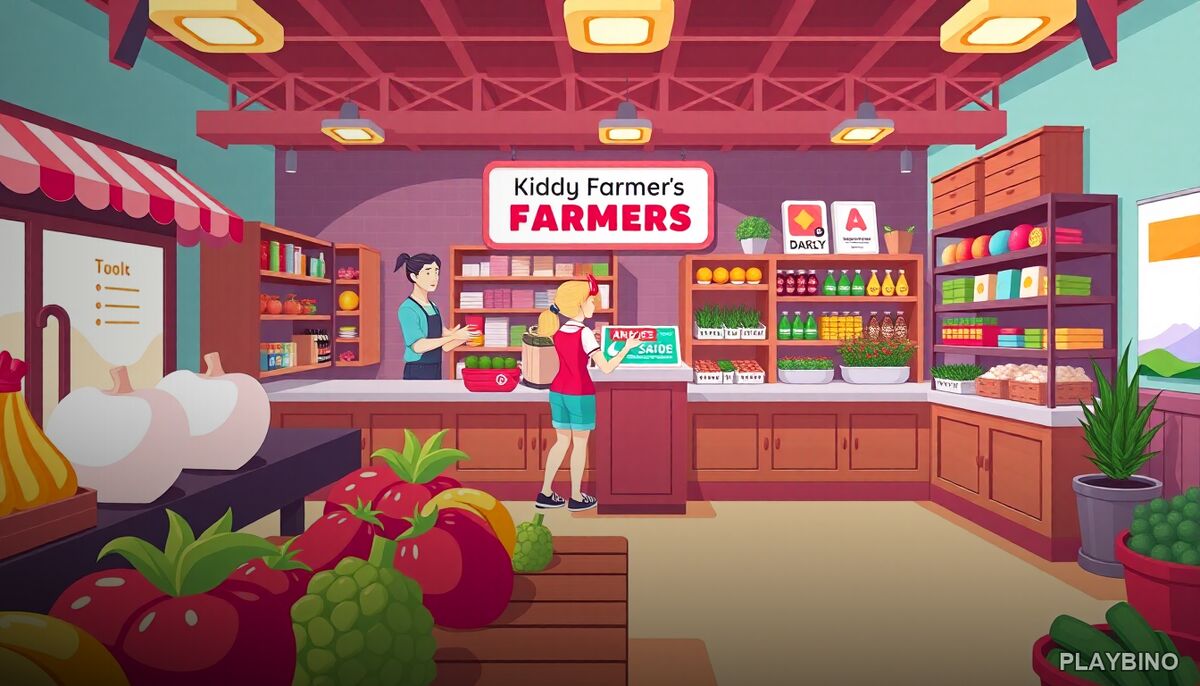
The game puts you in charge of a farm-to-market operation run by young, enthusiastic characters. Each one tends a plot, collects produce, and brings goods to market stalls. Your job is to keep the whole system running smoothly. You can try the full experience in your browser without any downloads or setup.
The Farming and Harvest Loop
At the core of Kiddie Farmers is a crop cycle that moves on its own schedule. Different plants mature at different rates, which means you're always watching multiple timers at once. Some crops turn over quickly and generate steady low-volume income. Others take longer but produce higher-value goods that customers will pay more for.
Timing Your Harvests
The idle element means crops continue growing even when you're not actively managing every detail. But the moments when a fast-maturing crop peaks and a wave of customers arrives at the same time — that's when attentive play pays off. Missing those windows means empty shelves and lost sales.
Seasonal Produce Cycles
Seasonal shifts change which crops are available and what customers are looking for. Adapting your planting strategy to match seasonal demand is one of the more engaging mid-game decisions. Stocking the wrong items during a seasonal shift can leave you with surplus goods and a quiet stall.
Running the Market Stall
The retail side of Kiddie Farmers adds a layer of strategy that separates it from pure idle games. Pricing matters. Set prices too high and customers walk past. Set them too low and your margins suffer even when sales volume is strong. Finding the right balance for each product type, especially during busy shopping hours, becomes a genuine puzzle.
Inventory organization also plays a role. Keeping shelves stocked and arranging goods so high-demand items are always available requires active thinking, not just passive waiting. The simulation rewards players who treat the market side with the same attention they give the farming side.
Strategy Layer: Balancing Farm and Business
One of the more interesting tensions in the game is deciding where to focus your attention. The farming plots need consistent management to stay productive, but the market stall suffers when you ignore it. Spreading your focus too thin leads to gaps — either crops sitting unharvested or shelves running empty while customers are present.
- Prioritize fast-turnover crops during high-traffic shopping periods.
- Save slower, premium crops for moments when the market is less busy and you have time to manage pricing carefully.
- Watch customer behavior patterns to anticipate demand spikes before they happen.
- Use idle time between harvests to reorganize inventory and adjust stall layout.
Who This Game Appeals To
Kiddie Farmers works well for players who enjoy management simulations with a relaxed pace but still want meaningful decisions to make. The idle mechanics mean you're never stuck waiting with nothing to do, but the strategy elements prevent it from becoming fully passive. It's a comfortable middle ground between a hands-off clicker and a demanding resource management title.
Players who enjoy city-building or simulation games that mix resource production with customer-facing management will find the structure familiar. My City Hospital offers a comparable simulation experience if you enjoy managing operations and keeping multiple systems running in parallel.
Visual Style and Progression Feel
The colorful, cartoon-style visuals keep the tone light and approachable. Watching the cheerful characters bustle around their plots and stalls gives the game a satisfying energy that matches the idle-simulation genre well. As the market grows busier and the farm expands, the visual activity on screen reflects real progression — the neighborhood marketplace genuinely feels like it's developing over time. PlayBino hosts the game directly in the browser, so there's no barrier between you and starting your first harvest.
"