Kids Food Cooking: A Virtual Kitchen for Young Chefs
What Happens in the Kitchen
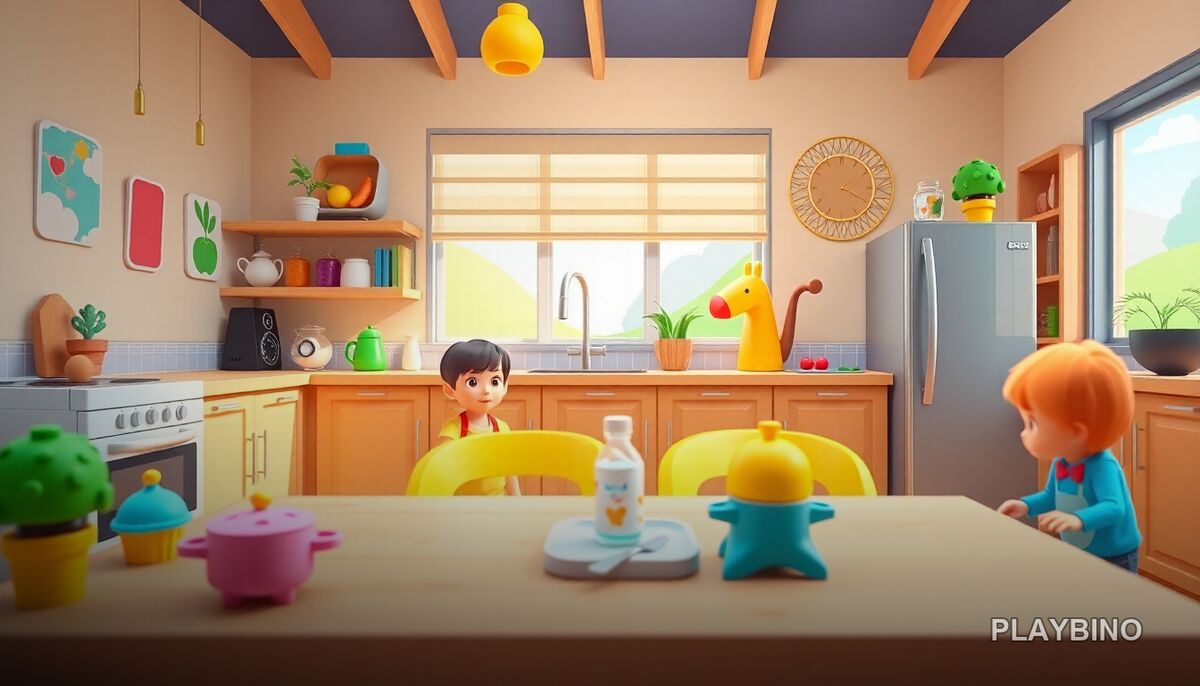
Kids Food Cooking places younger players inside a colorful virtual kitchen where the goal is straightforward: follow a recipe, gather ingredients, and produce a finished dish. The three featured recipes — popsicles, cake, and macaroni cheese — each unfold through a sequence of small, clearly signposted tasks. Nothing feels rushed. The game moves at a pace that lets children absorb each step before moving to the next.
The simulation side of the game comes through in the hands-on actions. Players tap or click to measure portions, stir mixtures, and layer toppings. These aren't passive animations — each stage requires deliberate input, which keeps attention focused. This cooking simulator on PlayBino makes the kitchen feel interactive rather than just decorative.
Recipe Breakdown
Popsicles
The popsicle recipe introduces the simplest mechanics. Children choose fruit flavors, pour liquid into molds, and wait for the freeze stage before decorating. It's a good entry point because the steps are short and the visual payoff — a brightly colored frozen treat — arrives quickly.
Cake
Baking the cake involves more stages: mixing batter, setting oven temperature, and applying frosting and decorations once the cake cools. This recipe introduces the idea that cooking has a sequence that cannot be skipped or reversed. Players who rush ahead learn naturally that order matters.
Macaroni Cheese
The macaroni cheese recipe adds a savory contrast and slightly more complexity. Boiling pasta, combining cheese sauce, and plating the dish give children exposure to a different category of food preparation. The variety across all three dishes means the game doesn't feel repetitive even after multiple sessions.
How the Controls Feel
The control scheme is intentionally simple. Most actions involve a single tap or a short drag gesture, which makes the game accessible without a tutorial. On-screen prompts highlight what needs to happen next, so children can play independently without adult assistance. The bright visual cues do most of the instructional work, reducing reliance on reading ability.
There is no timer or scoring pressure. Children can take their time at each step, which removes frustration and keeps the experience calm. For a cooking simulation aimed at younger audiences, that design choice matters more than it might seem.
Personalization and Exploration
Once the core recipe steps are complete, the game opens up a decoration phase. Toppings, colors, and arrangements can be changed freely, giving children a creative outlet after following structured instructions. This balance — guided steps followed by open customization — works well because it builds confidence before inviting experimentation.
- Choose from multiple flavor and color options during decoration
- Arrange toppings in any order or pattern
- Replay dishes to try different combinations
- Each recipe has its own distinct visual style and ingredient set
Who This Game Suits
The game targets younger children, roughly ages four to eight, though the mechanics are gentle enough that even slightly older players who enjoy casual simulation will find it comfortable. It works well as a short solo activity — each recipe can be completed in a few minutes, making it easy to fit into a brief play session.
Parents looking for low-stress browser games that introduce real-world concepts will find the cooking theme useful. The game doesn't demand precision or punish mistakes, which keeps the mood positive throughout. If this style of gentle, character-driven cooking appeals, a comparable simulation featuring forest-themed recipes offers a similar experience with its own cast of characters and ingredient combinations.
The Learning Layer
Beyond entertainment, Kids Food Cooking quietly reinforces sequencing skills, basic measurement concepts, and the idea that different foods require different preparation methods. None of this is presented as educational content in a heavy-handed way — it emerges naturally from the gameplay itself. Children follow steps, make choices, and see results, which is how practical learning tends to work best.