Kids Good Habits: Teaching Daily Routines Through Animal Mini-Games
What the Game Is About
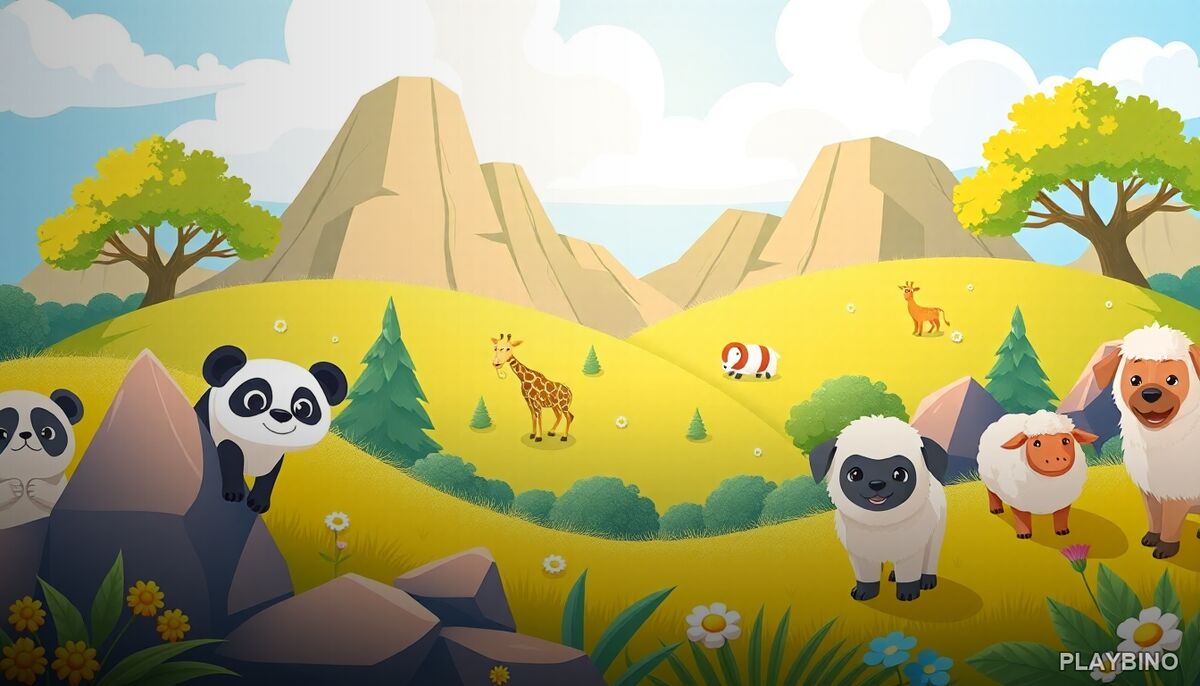
Kids Good Habits centers on four short, interactive activities designed around the kind of daily routines that young children are just beginning to understand. Each mini-game pairs a simple task with a friendly animal character, making the learning feel natural rather than instructional. A panda needs help brushing its teeth and enjoying bath time. A puppy is waiting to be fed. A lamb and a giraffe take turns demonstrating behaviors that players must judge as good or bad. The combination keeps things varied without overwhelming a young audience.
You can try this animal care simulation directly in the browser, no download needed, which makes it easy to introduce to children at home or in a classroom setting.
The Four Mini-Games Explained
Each activity in the game is self-contained, so children can complete them in any order without confusion. The tasks are short by design, matching the attention span of preschool-aged players.
Hygiene with the Panda
The panda segment covers two routines: brushing teeth and bath time. Players follow simple on-screen prompts to complete each step. The interactions are tactile and visual, reinforcing the idea that hygiene is a regular, positive part of the day rather than a chore.
Feeding the Puppy
In the feeding activity, players prepare and deliver a meal to a hungry puppy. The task introduces the concept of caring for another living thing, connecting responsibility with a rewarding outcome. The puppy reacts with cheerful animations once fed, giving children immediate positive feedback.
Behavior Judgment with the Lamb and Giraffe
This segment works differently from the others. Instead of completing a task, players observe the lamb and giraffe and decide whether each behavior shown is a good habit or a bad one. It adds a light puzzle element to the game, asking children to think critically rather than just follow instructions.
How the Interactions Feel
The controls are designed for very young players. Taps and simple drag actions handle most of the gameplay, keeping the barrier to entry low. There is no timer pressure and no penalty for mistakes, which creates a calm, exploratory atmosphere. Children can repeat activities without frustration, and the colorful character designs hold attention across multiple sessions. The simulation approach works well here because it mirrors real-world actions closely enough that children can make the connection between the game and their own routines.
What Children Actually Learn
The game touches on several foundational life skills without framing them as lessons. Hygiene, feeding routines, and behavioral awareness all appear naturally through play. Because the activities are tied to animal characters rather than human avatars, children often engage more freely, projecting care onto the animals without the self-consciousness that can come with direct instruction. Completing each mini-game triggers a cheerful animation, which reinforces the positive association between finishing a routine and feeling good about it.
- Tooth brushing and bath time routines through the panda activity
- Feeding responsibility through the puppy meal task
- Good versus bad behavior recognition through the lamb and giraffe segment
- Positive reinforcement through completion animations
- Independent play without pressure or time limits
Who This Game Suits Best
Kids Good Habits works best for children aged three to six who are in the early stages of building self-care habits. Parents looking for screen time that connects to real-world skills will find the content purposeful. Educators working with preschool groups can use the behavior judgment segment as a conversation starter about why certain habits matter. The single-player format means each child engages at their own pace, and the short length of each activity makes it easy to fit into a routine without taking over a session.
If your child also enjoys travel and daily routine themes, this similar activity-based experience covers a different set of scenarios worth exploring alongside this one.
Visuals and Presentation
The art style uses bright, rounded shapes and expressive animal faces that communicate emotion clearly without relying on text. This makes the game accessible to children who are not yet reading. PlayBino hosts the game in a format that loads quickly in any modern browser, keeping the experience smooth from the first screen to the final animation. The sound design is gentle and encouraging, avoiding anything that might startle or frustrate a young player mid-activity.
"