King Guard: Tower Defense Strategy and Defense Tips
Defending the Crown
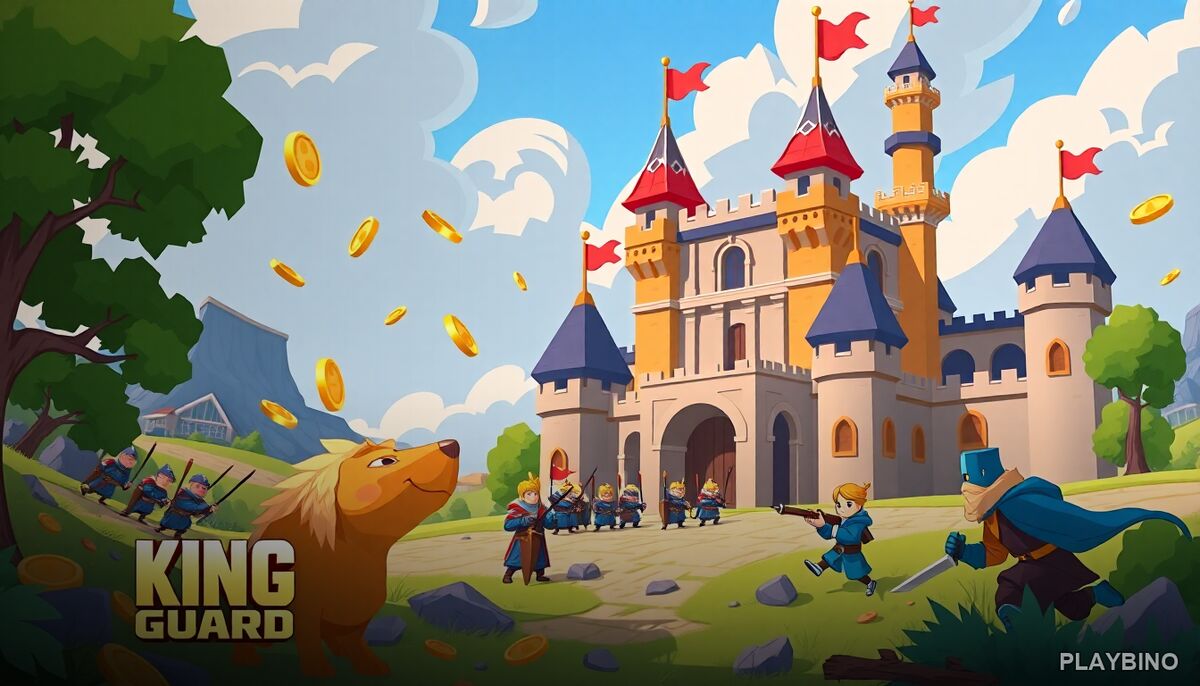
Not every strategy game demands this level of constant attention. King Guard drops you into a kingdom under siege, and from the first wave, the pressure is real. You place defensive towers, position soldiers, and manage a growing economy — all while enemies probe your formation for weaknesses. Play the browser edition and you'll quickly realize that good placement matters more than raw firepower.
How the Defense Works
The core loop revolves around reading invasion routes and building towers that cover them effectively. Enemies don't just walk in a straight line — they adapt, cluster, and push through gaps you didn't know existed. Your job is to anticipate those gaps before they become problems.
Tower Placement
Each tower covers a radius, and overlapping coverage creates kill zones that slow enemy advances significantly. Placing towers on chokepoints — narrow corridors where enemies bunch together — multiplies their effectiveness. Spreading defenses too thin across open ground is a common early mistake that later waves punish hard.
Troop Coordination
Soldiers add a physical barrier that towers alone can't provide. Stationing troops at key intersections buys your towers extra firing time. Think of them as a delay mechanism, not a damage source. The best defenses layer ranged tower fire behind a line of soldiers who absorb the initial push.
Resource Management and Upgrades
Gold mines generate steady income, but the decision of where to spend it never gets simple. Early rounds reward aggressive expansion — more towers, more coverage. Mid-game shifts toward upgrades, where a stronger existing tower often outperforms a new one placed in a weaker spot.
Gems earned from victories open up skill improvements that change how your entire defense operates. Some skills improve tower range, others accelerate troop recovery. Prioritizing skills that match your preferred playstyle — aggressive forward defense versus reactive reinforcement — creates a noticeably different experience across runs.
Wave Escalation and Adaptation
Each wave arrives stronger than the last. Enemy units grow in health, speed, and numbers, and the game doesn't telegraph exactly which route they'll prioritize. Watching the first few seconds of each wave gives you a read on their approach direction, which is often enough to redirect a soldier group or activate a tower upgrade before the front line breaks.
Split-second decisions carry real weight here. A well-timed upgrade mid-wave can hold a position that looked lost thirty seconds earlier. Hesitation costs gems, soldiers, and sometimes the entire run.
Strategy Tips for Harder Waves
- Build gold mines early to sustain upgrade costs in later waves.
- Keep at least one tower upgrade in reserve rather than spending everything on new structures.
- Soldiers placed at corners cover two routes simultaneously — use that geometry.
- Watch enemy pathing in wave one to identify which routes they prefer.
- Gem skills that reduce tower cooldown time pay off faster than pure damage boosts in most wave configurations.
Similar Strategy Experience
King Guard sits comfortably in the single-player tower defense genre, rewarding patience and forward planning over reaction speed. If the resource management angle appeals to you, Wars Island Management offers a comparable blend of base-building and tactical decision-making worth exploring between runs. Both games share that satisfying loop of building something solid and watching it hold under pressure.
PlayBino hosts King Guard alongside a solid range of strategy titles, making it easy to move between games when you want a fresh challenge without leaving the browser.