Ladybug Find the Differences: Spot 7 Changes Before Time Runs Out
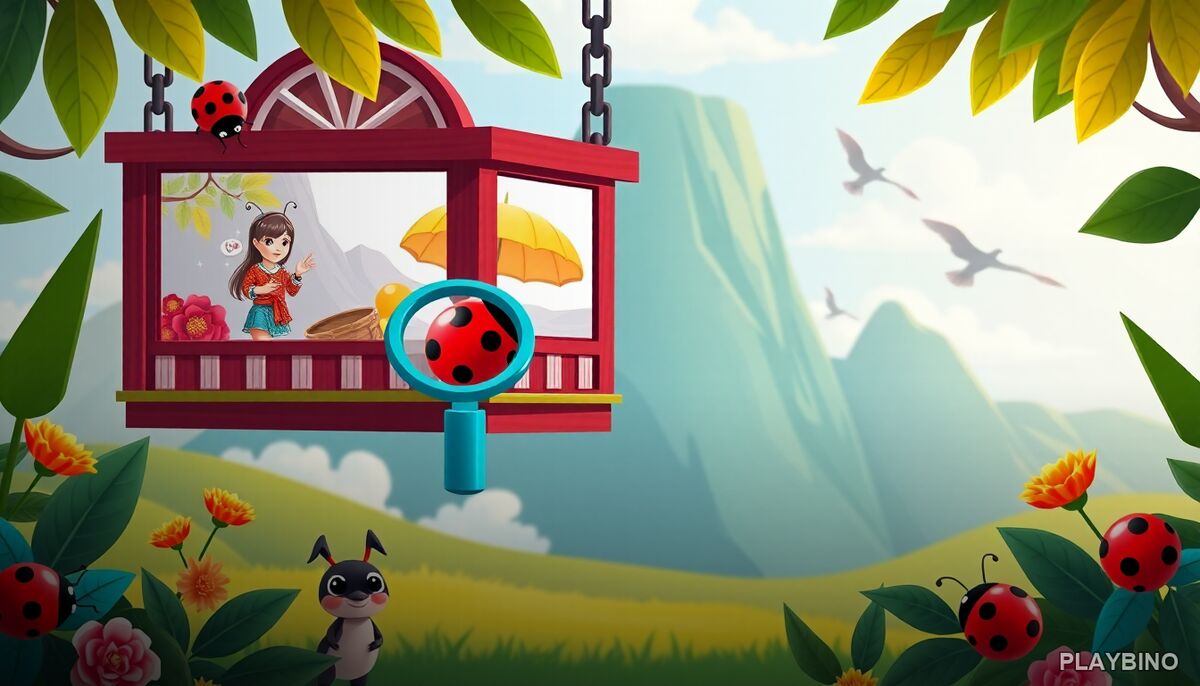
What the Game Asks You to Do
Two nearly identical illustrations sit side by side. Somewhere between them, seven small details have been quietly altered — a missing object, a shifted color, a shape that moved just slightly. Your job is to find all seven before sixty seconds expire. That's the core loop of this browser puzzle, and it's tighter than it sounds.
The scenes use cheerful character artwork in busy, colorful settings. That visual density is intentional. The more detail packed into a scene, the harder it becomes to notice what's genuinely different versus what your brain assumes should be there.
The One-Minute Pressure
Casual spot-the-difference games often let you take your time. This one doesn't. A strict sixty-second limit per level turns what might feel like relaxed observation into something much more focused. You're not just scanning — you're prioritizing, moving quickly across the image, and making fast decisions about where to look next.
How Timing Changes Your Strategy
In the early levels, one minute feels generous. By the middle and later stages, the differences become subtle enough that you'll need to work methodically rather than randomly. Scanning left to right, section by section, tends to outperform jumping around the image hoping something catches your eye.
What Counts as a Difference
The variations include color shifts on clothing or objects, items that appear in one image but not the other, slight positional changes, and small additions or removals hidden within the background detail. Some are obvious within seconds. Others require a second or third pass.
Twenty Levels, Increasing Difficulty
The game runs across twenty distinct puzzles. Early stages introduce the format with clearer contrasts and less visual noise. As you progress, the scenes become more complex and the differences more carefully concealed. The difficulty curve is gradual rather than sudden, which keeps the challenge feeling fair even when a level stumps you.
Each completed level gives a small sense of accomplishment — spotting the final difference just before the timer hits zero has a satisfying urgency that keeps the pacing engaging across the full run.
Visual Style and Atmosphere
The illustrations use bright, saturated colors and recognizable character designs that create a welcoming visual tone. The artwork is detailed enough to hide differences effectively without feeling cluttered or chaotic. This balance matters in a find-the-difference game: too sparse and the puzzle becomes trivial, too busy and it becomes frustrating rather than fun.
The playful aesthetic makes the game approachable for a wide range of players, while the time pressure adds enough tension to keep it from feeling too light.
Memory and Observation Working Together
What makes this format work as a brain and memory puzzle is the way it forces short-term visual memory into action. You're not just comparing two static images passively — you're building a mental model of one side and testing it against the other. Players who naturally notice small inconsistencies will have an edge, but the skill also develops across the twenty levels as you train your eye to catch specific types of changes.
Quiz-style visual puzzles that test observation and quick recall follow a similar logic. If that kind of challenge appeals to you, another visual recognition challenge worth trying is Quiz Find the Italian Brainrot Letters, which takes a different but equally fast-paced approach to spotting and identifying details under pressure.
Who This Game Suits
Ladybug Find the Differences works well for players who enjoy short, focused puzzle sessions. Each level takes under a minute, making it easy to fit in a few rounds without committing to a long session. The brain and memory mechanics reward attention to detail, and the gradual difficulty increase gives the game enough range to stay interesting beyond the first few levels. PlayBino hosts it directly in the browser with no download required, so starting a run takes seconds.
"