Last Day On Earth Survival: Wasteland Strategy and Crafting Guide
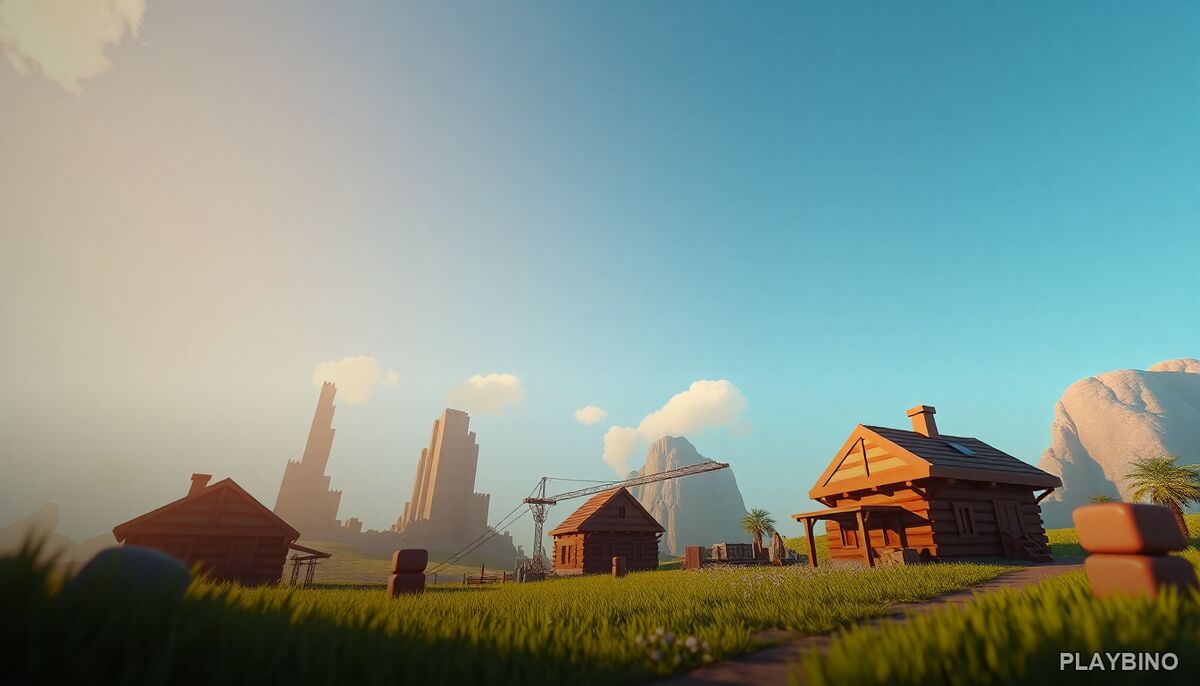
Surviving the Wasteland
The world has collapsed, and every decision carries weight. Last Day On Earth Survival drops you into a ruined landscape where food, materials, and safety are all in short supply. You scavenge, craft, fight, and plan — and the pressure never really lets up. Play it directly in your browser and you'll quickly realize this is a strategy-RPG that rewards patience and careful thinking over rushing in blind.
What You're Actually Doing
The core loop is straightforward but layered. You explore locations across a wide wasteland map, gathering wood, metal, and other raw materials. Back at your base, you convert those materials into weapons, tools, and gear at the workbench. That gear then lets you push into more dangerous zones, which hold better resources, which unlock even stronger crafting options.
There are 51 unique locations to discover and map. Each one carries its own risk level. Early zones are manageable, but venturing further requires proper preparation. Running out of supplies mid-run or entering a high-threat area underprepared can end a session quickly.
Day and Night Cycles
One of the more interesting mechanics is how the day-night cycle changes your approach. Daytime is generally safer for longer scavenging runs. Night shifts the danger level up, making certain areas significantly more threatening. Learning when to push out and when to return to base becomes a real skill over time.
Timing Your Runs
Short runs during risky periods can still be worth it if you know exactly what you need. Longer exploration sessions during safer windows let you cover more ground and gather more efficiently. The cycle isn't just atmosphere — it actively shapes your planning.
Character Progression and Upgrades
Experience accumulates through exploration and crafting. Spending those points wisely matters more than grinding. The upgrade categories — health, attack damage, movement speed, and search ability — each serve a different playstyle.
- Health — extends how long you can survive in combat-heavy zones
- Attack Damage — reduces the time and resources spent in fights
- Speed — lets you cover more ground per run and retreat faster
- Search Ability — improves resource yield from scavenging locations
Early on, investing in search ability and speed tends to pay off quickly. Later, as you push into harder areas, health and damage become more important. There's no single correct path, but spreading points too thin early can slow your progress noticeably.
The 50-Day Goal and Strategic Thinking
The main objective is surviving 50 days while mapping every location. That framing turns what could be an open-ended survival game into something with real structure. You're not just wandering — you're working toward a concrete endpoint.
Balancing Immediate Needs vs. Long-Term Prep
Some sessions you'll need to prioritize food or basic materials just to stay functional. Others, you'll have enough stability to invest in crafting upgrades that pay dividends later. Knowing which mode you're in at any given moment is what separates steady progress from repeated setbacks. Managing limited inventory space adds another layer — not everything you find can come home with you.
Players who enjoy this kind of deliberate, resource-conscious RPG progression might also find value in another RPG built around long-term character growth, Epic Hero Quest: Idle RPG, which takes a different but equally rewarding approach to leveling and strategy.
Who This Game Suits
Last Day On Earth Survival works well for players who enjoy single-player strategy with RPG depth. The crafting system has enough complexity to stay interesting across multiple sessions. The survival pressure keeps decisions meaningful. If you like planning ahead, managing limited resources, and watching a character build up from nothing, this one on PlayBino delivers that loop in a compact browser format.