Letterland Lollipops: Alphabet Matching Game for Early Learners
What the Game Is About
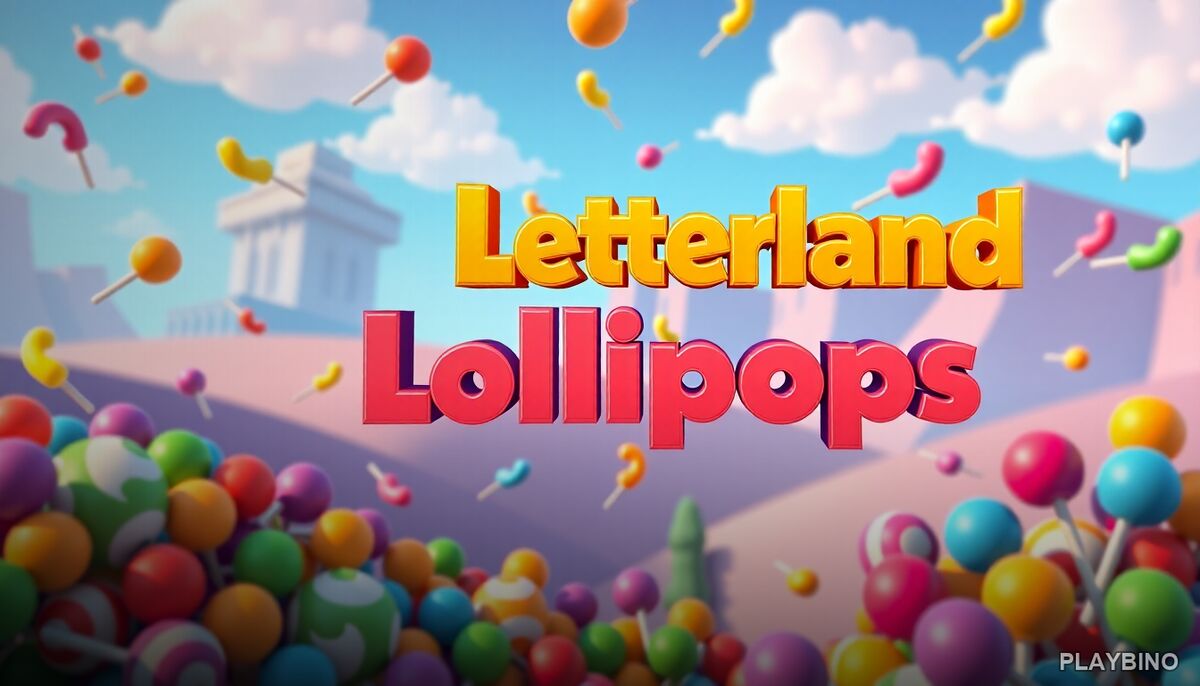
Candy colors, cheerful lollipop designs, and a clean matching structure make Letterland Lollipops stand out among browser-based brain and memory games. The core idea is straightforward: players look at letters displayed on lollipops and connect matching pairs, working through the full alphabet one session at a time. You can play it directly in your browser without any setup, which keeps the experience accessible from the first moment.
How the Matching Mechanics Work
The matching process is built around letter recognition rather than speed or reflex. Each round presents lollipops carrying letters — sometimes uppercase, sometimes lowercase — and the player's job is to identify and connect the correct pairs. The game covers both letter forms throughout, so players aren't just memorizing one version of each character.
Feedback is immediate. A correct match registers visually right away, which reinforces the connection between letter forms without needing any explanation. That rhythm of match and confirm keeps sessions moving at a comfortable pace without feeling mechanical.
Uppercase and Lowercase Together
One of the more useful design choices here is the consistent pairing of uppercase and lowercase letters. Rather than treating them as separate lessons, the game presents both forms as naturally connected. Over repeated sessions, that relationship becomes intuitive rather than something a player has to consciously think about.
Puzzle Structure and Progression
The game works through the alphabet gradually, which gives it a natural sense of progression. Early letters feel easy to anchor in memory, while later ones require a bit more focus. The match-3 puzzle logic keeps the challenge grounded in recognition and recall rather than complex rules, making it approachable for a wide range of players.
The uncluttered visual design helps here too. There's no background noise competing for attention — just the lollipops, the letters, and the task. That kind of focused layout is genuinely useful when the goal is letter learning rather than entertainment overload.
Who This Game Works Best For
- Early readers building alphabet recognition from scratch
- Young players who respond well to visual, color-coded learning
- Parents or educators looking for a low-pressure letter activity
- Casual players who enjoy simple memory and matching puzzles
The approachable pace means there's no frustration barrier to entry. A child who is just starting to recognize letters can engage with the same game as someone doing a quick brain warm-up between tasks.
Visual Appeal and Game Feel
The candy aesthetic isn't just decoration — it makes the letters easier to associate with something positive. Bright, distinct colors help differentiate lollipops at a glance, which reduces visual confusion during matching. The design stays cheerful without becoming overwhelming, and the interface never gets in the way of the actual puzzle.
Sessions feel productive rather than passive. Because each correct pairing gives clear feedback and the alphabet moves forward with each completed match, there's a tangible sense of making progress even in a short sitting.
A Similar Puzzle Experience to Try
If the gentle, visual puzzle format appeals to you, Little Princess Jigsaw takes a comparable approach in a different direction — that puzzle-focused experience is worth exploring alongside this one. Both games share a calm, approachable structure that suits younger players and casual sessions equally well. PlayBino hosts both titles, making it easy to switch between them without leaving the browser.
"