Little Panda Cake Shop: Baking, Decorating, and Creative Fun for Kids
What Happens Inside the Bakery
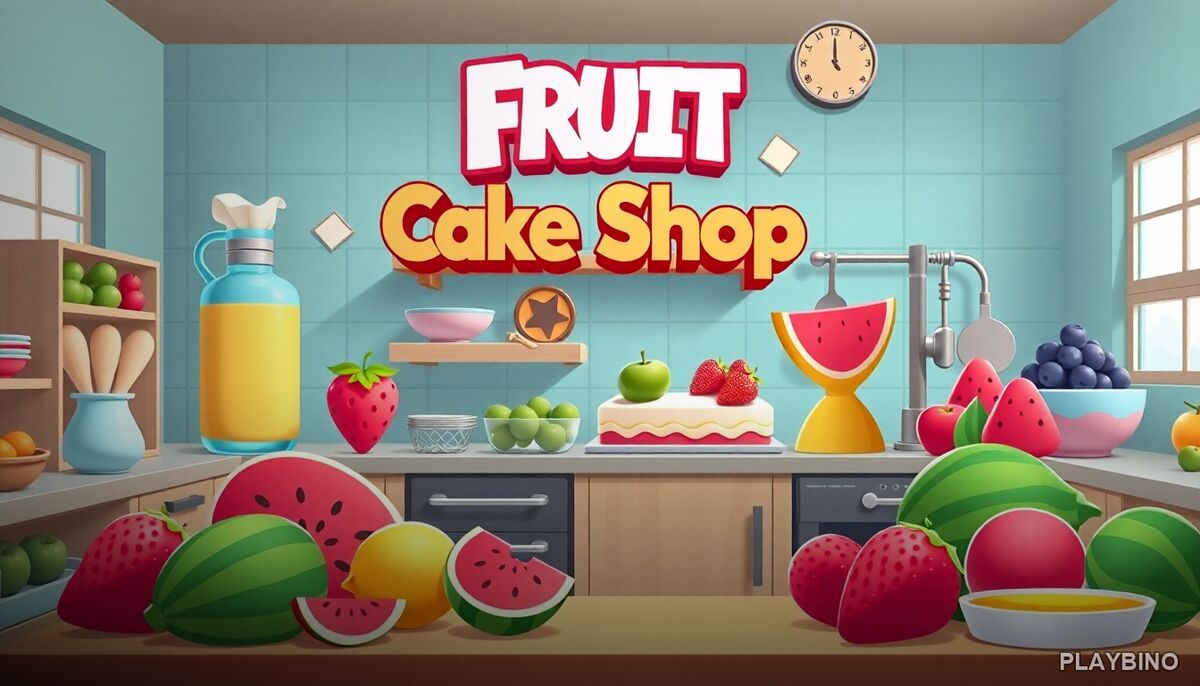
Little Panda Cake Shop places young players inside a bright, cartoon bakery where every session revolves around making a cake from scratch. The process moves through clear stages: gathering ingredients, mixing batter, baking, and then decorating the finished product. Each step is broken into small, manageable actions so children can follow along without feeling lost. Play it directly in your browser and the cheerful visuals make the experience feel immediately welcoming.
The Baking Process Step by Step
The cooking simulation structure is one of the game's strongest qualities. Rather than dropping players into a kitchen with no direction, it guides them through each recipe in a logical sequence. Mixing comes before baking, and baking comes before decorating. This mirrors how real baking works, which gives the activity an educational edge without feeling like a lesson.
Mixing and Baking
During the early stages, players combine ingredients and prepare the batter. The interactions are simple tap-and-drag mechanics that young children can handle comfortably. There is no timer pressure here. The pace stays relaxed, letting kids focus on following the steps rather than racing through them.
Decoration Choices
Once the cake comes out of the oven, the decoration phase opens up. This is where creative freedom takes over. Players choose from different frostings, sprinkles, fruit pieces, and other toppings. No two cakes need to look the same, and the game never penalizes unusual combinations. A strawberry cake covered in chocolate sprinkles and candy stars is just as valid as a classic vanilla design.
Why the Decoration Phase Stands Out
Most cooking games for children focus heavily on the preparation side and treat decoration as an afterthought. Little Panda Cake Shop gives the decorating stage real weight. The variety of toppings and the freedom to layer them however you like means kids can express genuine creativity. Some children will spend more time here than on any other part of the game, which is exactly the right outcome for a simulation built around imaginative play.
Kitchen Tools and Ingredient Variety
The game provides access to multiple kitchen tools across different recipes. Players work with mixing bowls, baking trays, and decorating equipment, each introduced at the right moment in the process. The ingredient selection covers common baking items alongside more colorful, fantastical options that suit the cartoon setting. This variety keeps repeat sessions feeling fresh even when revisiting familiar recipes.
- Multiple frosting colors and flavors to choose from
- Fresh fruit pieces including strawberries and other toppings
- Sprinkles, candy elements, and decorative extras
- Guided recipe steps with room for personal decoration choices
- Relaxed single-player pace with no time limits
Who This Game Suits Best
The 1-player cooking simulation format works well for younger children who enjoy creative activities with gentle structure. Kids who like drawing, crafting, or pretend play in real life tend to respond well to this kind of game. The manageable pace and clear instructions mean it works as an independent activity without adult supervision. Parents looking for something calm and constructive will find it fits that need comfortably.
Kids Animal Farm offers a similarly gentle approach to child-friendly simulation — that game covers a different kind of creative activity if your child enjoys this style of play and wants something new to try on PlayBino.
Replay Value and Creative Satisfaction
Because the decoration stage is open-ended, children naturally want to try different combinations across multiple sessions. The satisfaction of completing a virtual baking project — seeing a finished, decorated cake — gives a clear sense of accomplishment. That completion loop is simple but effective, and it encourages kids to return and experiment with new designs rather than repeating the same choices every time.
"