Little Princess Jigsaw: Puzzle Mechanics, Tips, and What to Expect
What Kind of Game Is This?
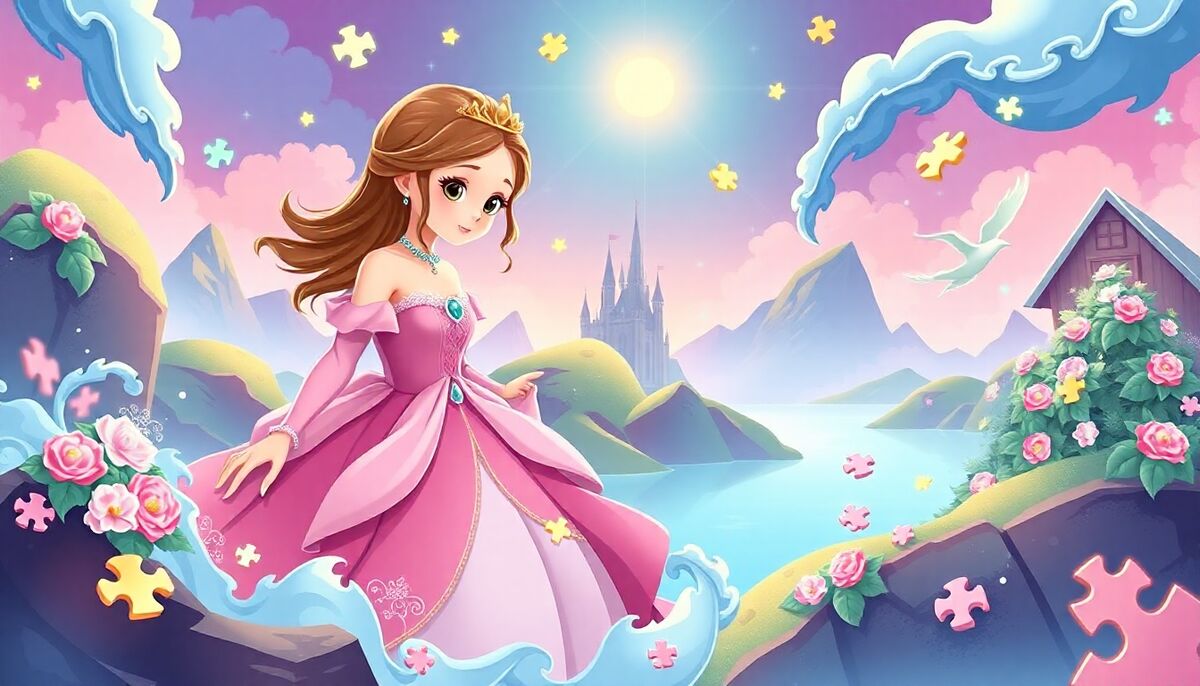
Little Princess Jigsaw is a single-player puzzle game built around reconstructing illustrated portraits of royal characters. Each image shows a princess dressed in an elaborate gown, rendered with a fairy-tale visual style that makes the finished picture genuinely satisfying to complete. The game suits anyone who enjoys calm, brain-focused activities where pattern recognition and spatial reasoning do the heavy lifting.
You can play this princess puzzle game on PlayBino directly in your browser, with no download required. The interface is clean and the pieces respond smoothly, which keeps the experience from feeling frustrating even when a puzzle gets more complex.
How the Puzzle Mechanics Work
The core loop is straightforward: scattered pieces appear on screen, and the player drags and places them to recreate the original portrait. What makes this more than a simple memory exercise is the way the pieces are cut. The shapes vary enough that pure color-matching alone won't always solve the puzzle quickly. Players need to read edges, assess curves, and think about where a piece belongs relative to the overall composition.
The Magic Hint Button
When a section feels genuinely stuck, the game offers a magic button that briefly reveals the completed image. This is a well-designed feature because it doesn't solve the puzzle for you — it gives you a reference point and then returns control to the player. Using it strategically on background sections, where colors blend together, is usually smarter than burning it on a character's face, where the detail is distinctive enough to work out independently.
Piece Difficulty and Variation
The game includes multiple puzzle variations, and each princess appears in different outfits across the collection. This means even returning players face fresh visual challenges rather than repeating the same image. Simpler arrangements work well for shorter sessions, while the more complex versions demand real concentration and can take a meaningful amount of focused time to finish.
Spatial Reasoning and Pattern Recognition
Two cognitive skills matter most here. Spatial reasoning determines how well a player can mentally rotate and position a piece before placing it. Pattern recognition handles the texture and color reading needed to identify which section of the portrait a piece belongs to. Both get a genuine workout across the puzzle collection, which is part of why the game holds up beyond a single session.
Players who already enjoy brain puzzles will notice that jigsaw logic has a particular rhythm: border pieces first, then large color blocks, then fine detail. That strategy applies here and makes a noticeable difference in completion speed once it becomes habit.
Visual Style and Atmosphere
The illustrated portraits use soft palettes and detailed gown designs that give each puzzle a distinct look. The fairy-tale aesthetic is consistent throughout, which means the game feels cohesive rather than like a random image collection. For players drawn to whimsical or fantasy themes, the visual presentation is a genuine draw rather than just background decoration.
The pace is gentle. There's no timer running down, no penalty for wrong placements, and no competitive pressure. That makes it a genuinely relaxing activity — the kind of puzzle game that works well as a wind-down session rather than a high-stakes challenge.
Who This Game Suits Best
- Players who enjoy calm, single-player puzzle formats
- Anyone interested in brain and memory challenges without time pressure
- Fans of illustrated fantasy or royal themes
- Casual players looking for a focused but low-stress activity
- Puzzle enthusiasts who want variety across multiple image sets
A Similar Puzzle Experience to Try
If the jigsaw format appeals to you and you want another collection-style puzzle game with a distinct visual theme, this colorful jigsaw collection covers similar mechanics with a different aesthetic direction. It's worth exploring if you find that the portrait-based format holds your attention well.