Little Yellowmen Jumping: Vertical Survival in a Rising Poison Lab
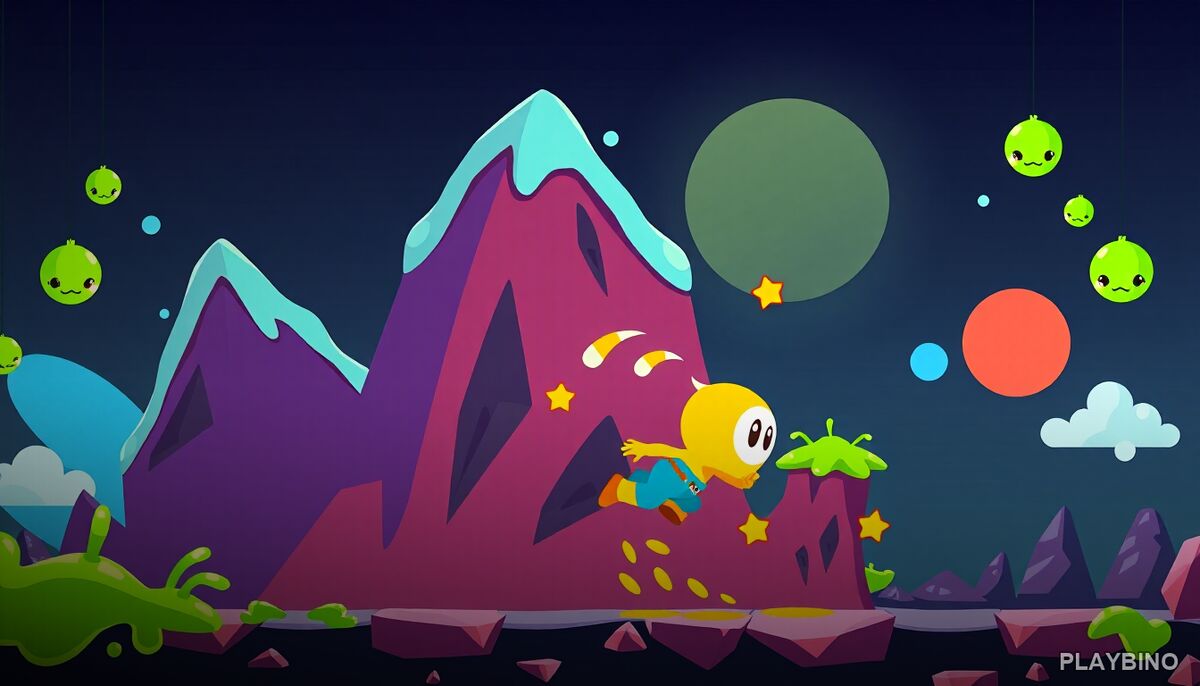
What This Game Is About
A laboratory. A rising tide of pink poison. And a tiny yellow figure with no option but to keep climbing. Little Yellowmen Jumping strips vertical platforming down to its most urgent form — you move up or you lose. There is no health bar to drain slowly, no checkpoint to fall back on. The poison rises at a steady, merciless pace, and every platform you hesitate on could be your last.
The setup is simple, but the pressure it creates is immediate. This vertical survival challenge works both as a solo run and as a two-player cooperative climb, making it a flexible pick depending on how you want to play.
The Core Mechanic: Climbing Against the Clock
Every run begins the same way. The poison starts rising from below, and your only job is to stay above it. Platforms are scattered upward through the laboratory environment, and you jump from one to the next in a constant upward rhythm. There is no fighting, no collecting, no story to follow — just movement and timing.
What makes this loop engaging is how the poison changes your decision-making. A platform that looks reachable becomes dangerous if you pause too long. The gap between platforms forces you to commit to jumps without overthinking, because hesitation costs altitude and altitude is survival.
Timing Your Jumps
The jump timing in this game carries real weight. Landing on a narrow platform while the poison is close behind leaves almost no margin for error. You need to read the platform layout ahead of you and plan your next move before you land, not after. Reactive jumping works early, but as the poison accelerates, anticipation becomes the more reliable skill.
Maintaining Upward Momentum
Stopping is the main way players fail. Even a brief pause on a platform can close the gap between you and the poison fast enough to end the run. The game rewards players who build a climbing rhythm and stick to it, treating each platform as a stepping stone rather than a resting point.
Solo Run vs Two-Player Mode
Playing alone puts the full pressure on your own reflexes and focus. Every mistake is yours to own, and the tension of a solo climb is genuine. The two-player mode changes the dynamic noticeably. Both players must climb the same environment simultaneously, which adds a layer of coordination — or competition, depending on how you approach it.
In cooperative play, one player falling behind can affect the other depending on how the screen scrolls. This creates moments of either teamwork or chaos, and both outcomes make for a memorable session. The 1 Player and 2 Player tags reflect how much the game adapts to context without changing its core loop.
What Kind of Player Enjoys This
If you respond well to action games built around short, high-pressure runs, this format suits that appetite directly. The runs are quick enough that a failed attempt never feels like a major setback — you restart and try to build a better rhythm. Players who enjoy reflex-based arcade challenges will find the loop satisfying, especially when a run starts clicking and the climbing feels fluid.
The two-player option also makes it a natural pick for side-by-side play, where the shared screen and rising danger create natural moments of tension between friends.
A Similar Vertical Challenge Worth Trying
If the climbing format appeals to you, another upward-escape game built around the same rising-threat concept is Noob vs Bacon Jumping, which takes a different visual approach to the same core pressure of staying above danger. The comparison between the two highlights how much variety exists within this specific style of vertical survival platforming.
Platform Feel and Replayability
The laboratory setting keeps the visual focus clean. There are no distracting backgrounds or complex animations — just platforms, poison, and your character. This simplicity is a design choice that works in the game's favor. On PlayBino, the browser version loads quickly and runs without friction, which matters for a game where momentum is everything.
Replayability comes from the nature of the format. Each run feels slightly different based on how the poison timing interacts with your jump decisions. Improving your personal best climb height, surviving longer, or simply beating a friend in two-player mode gives the game enough reason to return for multiple sessions.
"