Mad Shark Fish: Ocean Hunting Mechanics and Survival Strategy
What Kind of Game Is This?
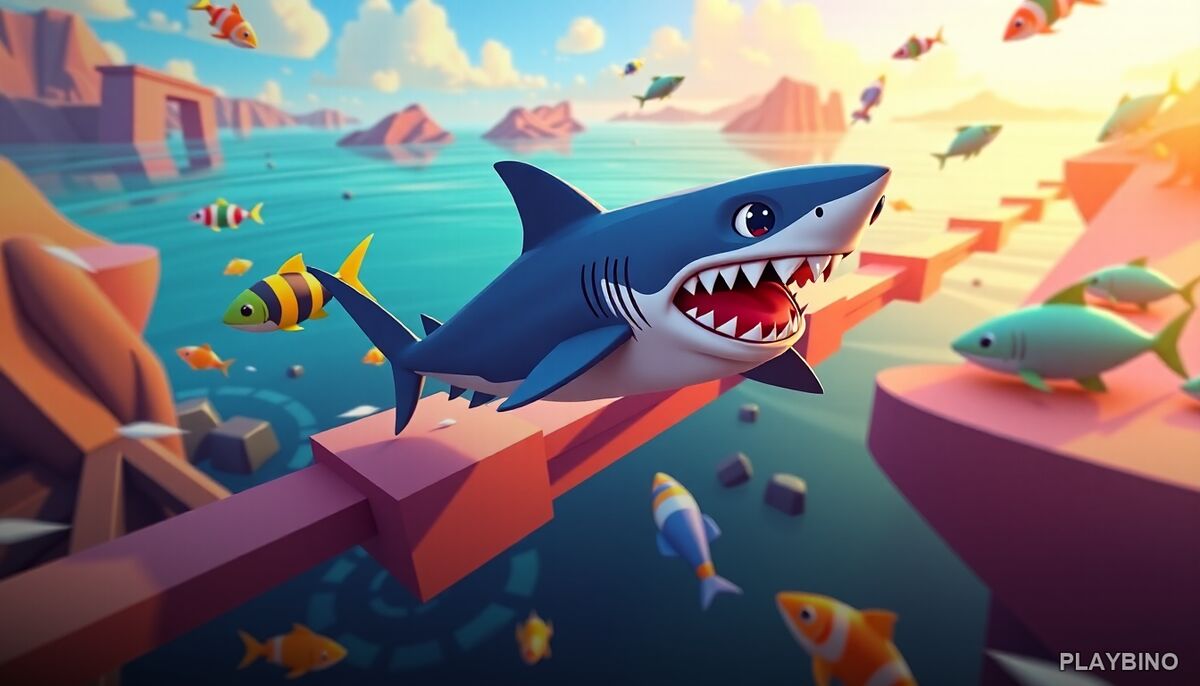
Mad Shark Fish drops you into an underwater food chain where staying alive means staying hungry. You control a shark that must continuously hunt smaller fish to maintain momentum and strength. The arcade loop is simple on the surface — eat or be eaten — but the decisions stack up quickly as the ocean grows more hostile with every zone you clear.
The game sits firmly in the endless runner and action arcade space, but the underwater setting gives it a distinct rhythm. Rather than dodging obstacles on a flat track, you're reading the environment, picking targets, and managing risk with every move. The full browser version captures that tension well, letting the predator fantasy play out across increasingly punishing ocean layers.
Hunting Flow and Core Mechanics
The feeding mechanic is the engine of everything. Smaller fish restore your shark's energy and build up a strength meter that unlocks temporary bursts of speed or aggression. Chasing the wrong target at the wrong moment — something too fast, too armored, or surrounded by hazards — can drain resources faster than a successful hunt restores them.
Timing Your Attacks
Rushing into a cluster of fish looks appealing but often exposes your shark to threats hiding just outside the frame. The smarter approach is to isolate targets, strike cleanly, and pull back before committing to the next chase. Patience pays off more than aggression, especially in the mid-game zones where enemy density increases.
When to Use Power-Ups
Scattered power-ups offer speed boosts and defensive buffs at critical moments. Saving a speed boost for a dense trench section rather than burning it early in a shallow reef gives you a meaningful edge. The game doesn't hand these out constantly, so treating them as tactical tools rather than automatic pickups changes how far a single run can go.
Ocean Zones and Escalating Hazards
Environments shift from brighter shallow reefs into darker, deeper trenches as your shark progresses. Each zone introduces different prey types and new threats — some fish fight back, others move in unpredictable patterns, and certain areas carry environmental hazards that punish careless movement.
The visual shift between zones also signals a change in pacing. Reef sections feel more open and forgiving. Trench areas compress the space, reduce visibility, and demand faster reads. Learning which prey is worth chasing in each environment is as important as raw reaction speed.
Missions and Upgrade Progression
Structured missions give the endless format a sense of direction. Completing objectives — hunting a set number of specific fish, surviving a zone without taking damage, reaching a distance milestone — rewards upgrades that improve base stats like speed, attack power, and resilience.
These upgrades aren't cosmetic. A faster shark reaches prey before it escapes. A more resilient shark survives glancing hits that would end a weaker run. Prioritizing upgrades that match your playstyle, whether aggressive hunting or cautious survival, shapes how the game feels at higher difficulty levels.
Leaderboard Competition and Replayability
A global leaderboard tracks survival distance and score, adding a competitive layer to what could otherwise feel like a purely personal challenge. Knowing where your run places against other players creates a natural incentive to refine strategy rather than just repeat the same approach.
The endless runner structure means no two runs play out identically. Prey spawns, power-up locations, and hazard timing shift enough to keep the experience from becoming purely mechanical. That variation is what gives the arcade loop its staying power.
Similar Arcade Challenge to Try
If the run-based progression and escalating difficulty appeal to you, another arcade runner with its own momentum-driven twist is worth a look. The core satisfaction of pushing further each attempt translates well across both games. PlayBino carries a range of browser arcade titles that follow similar pick-up-and-push structures, so there's usually something nearby that scratches the same itch.