Mahjong Tiles Quest: Tile-Matching Strategy and Puzzle Logic
What Kind of Puzzle Is This?
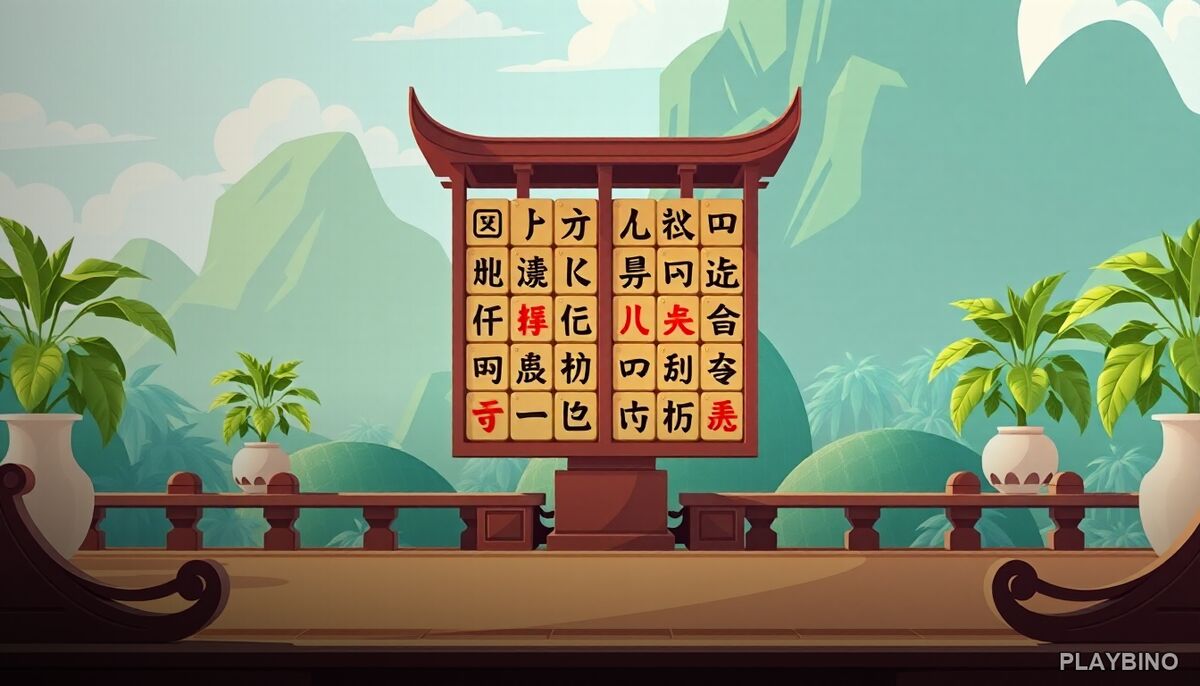
Mahjong Tiles Quest is a logic-driven tile-matching game built around a deceptively simple idea: find two identical tiles and remove them from the board. The challenge comes from the layered structure of the stacks. Tiles sit on top of one another, and only those with at least one free side can be selected. That single rule turns what looks like a casual brain game into a spatial puzzle that rewards careful thinking over quick clicking.
If you want to see how the stacking logic plays out in practice, try the full challenge in your browser and work through the first few boards before reading further.
How the Board Works
The board starts with tiles arranged in layered stacks. Some tiles are immediately accessible, while others are buried under one or more layers. As you remove pairs, new tiles become exposed, which opens up fresh matching options — but also changes which tiles you can no longer reach.
Exposed vs. Blocked Tiles
A tile is only selectable when it has at least one free side — meaning no adjacent tile is pressing against it from the left or right. Tiles locked in the middle of a row or buried under a stack simply cannot be chosen yet. Recognizing which tiles are free and which are blocked is the first real skill the game builds.
The Sequence Problem
The deeper logic challenge is about order. Two identical tiles might both be visible, but removing them now could permanently block a third tile you need later. The board does not reset mid-round, so every match is a commitment. Players who rush through early pairings often find themselves stuck with no valid moves left, even when tiles remain on the board.
Strategy That Actually Matters
Most mahjong-style puzzle games reward patience, and this one is no different. A few principles make a consistent difference:
- Clear from the top down. Removing tiles from the highest layers first tends to free up more options below.
- Avoid matching tiles that are the only ones unlocking a buried stack. If one tile is the only thing keeping a lower layer accessible, removing its pair prematurely can create a dead end.
- Scan the full board before each move. It takes a few extra seconds, but spotting all available pairs before committing prevents reactive mistakes.
- Prioritize tiles with fewer matching partners visible. If only two copies of a tile symbol exist on the board, those pairs are more time-sensitive than tiles with four or more copies still in play.
The Feel of the Game
Mahjong Tiles Quest leans into a calm, minimalist aesthetic. The visuals stay clean and uncluttered, which helps when you need to scan a dense board quickly. There are no timers creating artificial pressure, and no flashy effects pulling attention away from the puzzle. The satisfaction comes from the board itself — watching stacks shrink, layers collapse, and the final tiles disappear is genuinely rewarding in a quiet, focused way.
It fits naturally alongside other match-based brain games. Ben 10 Alien Match, for example, takes a similar pairing concept in a different visual direction — that tile-matching experience is worth a look if you enjoy this format.
Who Plays This Kind of Game
The puzzle suits anyone who enjoys logic games that move at their own pace. There is no reflex requirement — the challenge is entirely spatial and sequential. Players who like crosswords, sudoku, or other brain-focused formats tend to find the tile-matching loop satisfying. It also works well in short sessions; a single board can be completed in a few minutes, but the urge to start another round keeps the total playtime climbing.
Replay Value and Difficulty Curve
Each board in Mahjong Tiles Quest presents a slightly different arrangement, which means the strategy shifts from round to round. The early boards introduce the mechanics gently, but the tile density and stack complexity increase as you progress. Boards that initially look solvable can become traps if the wrong pairs are removed first, which adds a layer of replayability — the same layout can produce very different outcomes depending on your approach. PlayBino hosts the game in a clean browser format with no downloads required, making it easy to return for another attempt whenever you have a few minutes free.