Mathematics: Master of Arithmetic – Brain Puzzle Game Guide
What Kind of Game Is This?
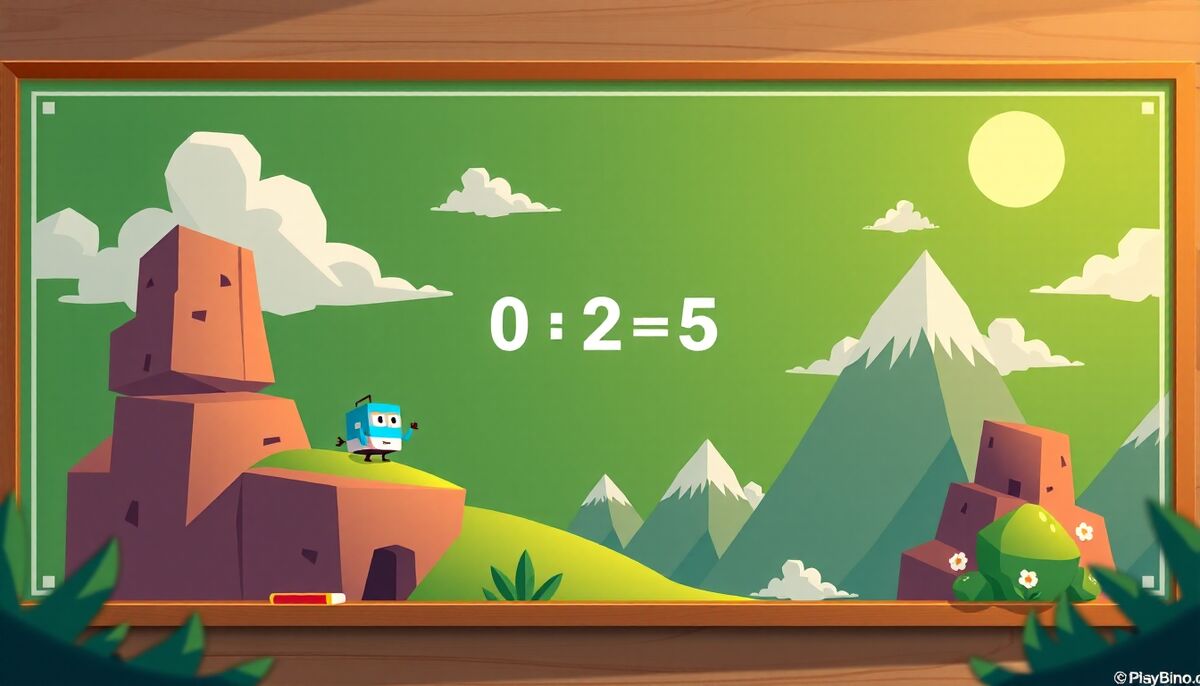
Mathematics: Master of Arithmetic sits firmly in the brain and logic puzzle category — the kind of game that feels deceptively light at first but gradually demands sharper focus and faster mental processing. It is not a flashy arcade experience. Instead, it strips away distractions and puts numbers front and center, asking you to calculate, recognize patterns, and work through arithmetic sequences under increasing pressure. Play it directly in your browser and the simplicity of the interface becomes immediately clear — clean visuals, minimal clutter, and a format that respects your attention.
Core Mechanics and How the Challenges Work
Each round presents a math problem or number-based task that requires a correct response within a set window. The challenges are not random busywork. They follow a logical structure — quick addition, subtraction, multiplication, division, and sequence completion — that builds on itself as difficulty increases.
Arithmetic Sequences
One of the more engaging mechanics involves completing number sequences. You are shown a partial pattern and must identify the missing value. These tasks train pattern recognition alongside raw calculation speed, which makes them feel more like logic puzzles than standard arithmetic drills.
Speed and Accuracy Together
Early rounds are forgiving. Answers come with enough time to think. But as the game progresses, the margin for hesitation shrinks. Getting the right answer quickly becomes just as important as getting it right at all. This dual pressure — accuracy and timing — is what gives the game its lasting challenge.
How Difficulty Scales
The progression curve in Mathematics: Master of Arithmetic is one of its strongest qualities. New players are not thrown into complex multi-step problems immediately. The first few stages introduce simple operations and build a rhythm. Later stages increase both the complexity of the calculations and the speed required to complete them.
This gradual ramp means the game works well for a range of players — those brushing up on basic arithmetic and those who want a genuine mental workout. The sense of improvement is real. Responses that once required deliberate thought start to feel automatic, which is satisfying in a way that purely visual puzzle games rarely deliver.
Why the Minimal Design Works
Some puzzle games layer visual effects and animations over their core mechanics. This one does the opposite. The interface is stripped back, letting the numbers and logic carry the experience. There are no distracting backgrounds, no elaborate animations between rounds, and no cosmetic systems pulling focus away from the math itself.
For a brain-training game, this is the right call. Cognitive load stays on the problem at hand rather than on parsing a busy screen. Players who find other puzzle games visually overwhelming may appreciate how cleanly this one presents its challenges.
Strategy Tips for Later Stages
- Prioritize pattern recognition early — spotting the structure of a sequence is faster than calculating each step individually.
- Practice mental shortcuts for multiplication, such as breaking numbers into easier components.
- Do not second-guess a confident answer. Hesitation costs more time than a rare mistake.
- Play shorter sessions when accuracy starts dropping — fatigue affects math performance quickly.
- Focus on consistency across rounds rather than chasing a single perfect score.
Similar Brain Training to Explore
Brain Workout takes a comparable approach to mental exercise — another logic-based challenge worth trying if arithmetic puzzles appeal to you. It targets different cognitive skills but shares the same core idea: keeping the brain active through structured, repeatable puzzle formats. Both games are available on PlayBino and fit naturally into short daily sessions.