Mech Builder Master: Assemble, Upgrade, and Fight Through Every Wave
What Kind of Game Is This?
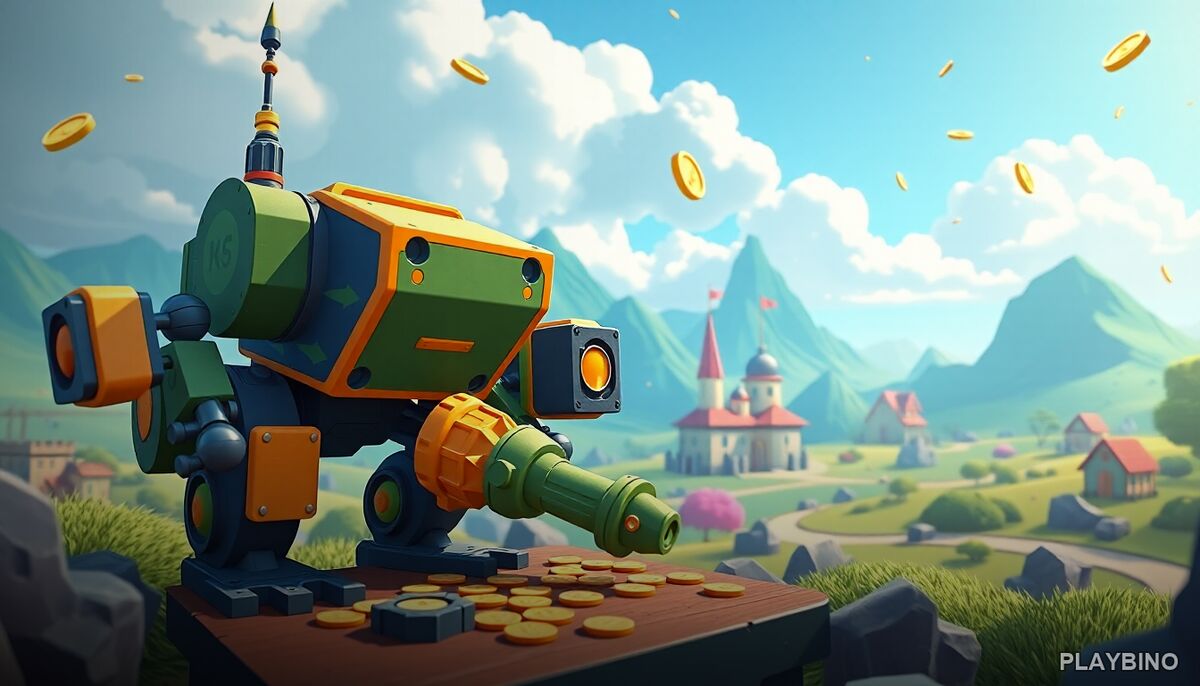
Mech Builder Master sits at the crossroads of idle clicker and action RPG. You're not just tapping through menus — you're assembling a mechanical fighter piece by piece, then throwing it into chaotic arena combat against waves of enemies. The loop is fast, satisfying, and surprisingly deep once the upgrade system opens up. If you enjoy watching numbers climb while also making real tactical decisions, this browser RPG delivers both in one package.
Building Your Mech
Assembly is the foundation of everything here. The game gives you a range of mechanical components to combine, and your choices directly affect how your mech performs in combat. Early on, you're working with basic parts, but coins earned from destroying structures during fights unlock a steady stream of upgrades.
What to Prioritize Early
Damage output is the most immediate concern. Higher damage means faster enemy clears, which means more coins per run. Once you have a solid offensive base, shift attention toward defensive upgrades — they become essential as enemy waves hit harder in later arenas.
Resource Management
Coins don't just drop from enemies. Scattered structures across each arena hold currency too, so actively targeting them during fights adds up quickly. Players who ignore the environment and only focus on enemies tend to fall behind on the upgrade curve.
Combat Mechanics and Click Rhythm
The action side of Mech Builder Master runs on quick clicking. Your mech attacks in response to player input, so the pace of your clicking directly influences how fast enemies go down. It's an arcade-style rhythm that feels natural after a few rounds — fast enough to stay engaging, without demanding precise timing on every tap.
Between waves, the idle mechanics kick in. Resources accumulate passively, which means short breaks don't completely stall your progression. It's a smart balance between active clicker gameplay and idle RPG recovery periods.
Escalating Difficulty and Boss Encounters
The difficulty curve in this game doesn't spike randomly — it builds deliberately. Each new arena introduces tougher enemy compositions, and the boss confrontations at the end of major stages are genuine tests of your upgrade choices. A mech that breezes through standard waves can still struggle against a boss if the defensive stats haven't kept pace.
Bosses reward patience as much as aggression. Clicking hard matters, but so does having enough armor and regeneration to survive extended fights. Players who rush damage upgrades without balancing defense often hit a wall at these encounters.
Progression That Keeps Sessions Moving
One of the stronger aspects of the game is how it handles progression pacing. Unlocking a new mech part or hitting a damage threshold opens fresh tactical options rather than just inflating existing numbers. Each upgrade feels like it changes something, even slightly, about how the next fight plays out.
The idle component means you can step away, return to a stockpile of coins, and immediately push further into the upgrade tree. For players who enjoy incremental RPG systems with active combat bursts, that rhythm is genuinely engaging across multiple sessions.
Similar Mechanical Combat on PlayBino
Robbie 1 Damage Per Second takes a different angle on mechanical combat progression — that game's damage-focused approach makes for an interesting comparison if you want to see how another browser title handles the same core concept of building power over time. The two games share a focus on incremental strength gains, but the feel of each session is distinct.
- Clicker-style combat with idle recovery periods
- Component-based mech customization
- Coin collection from enemies and arena structures
- Escalating wave difficulty with boss stages
- Upgrade paths covering offense, defense, and damage output