Mega Prize Scratch: Browser Scratch Cards with Mission Goals
What Kind of Game Is This?
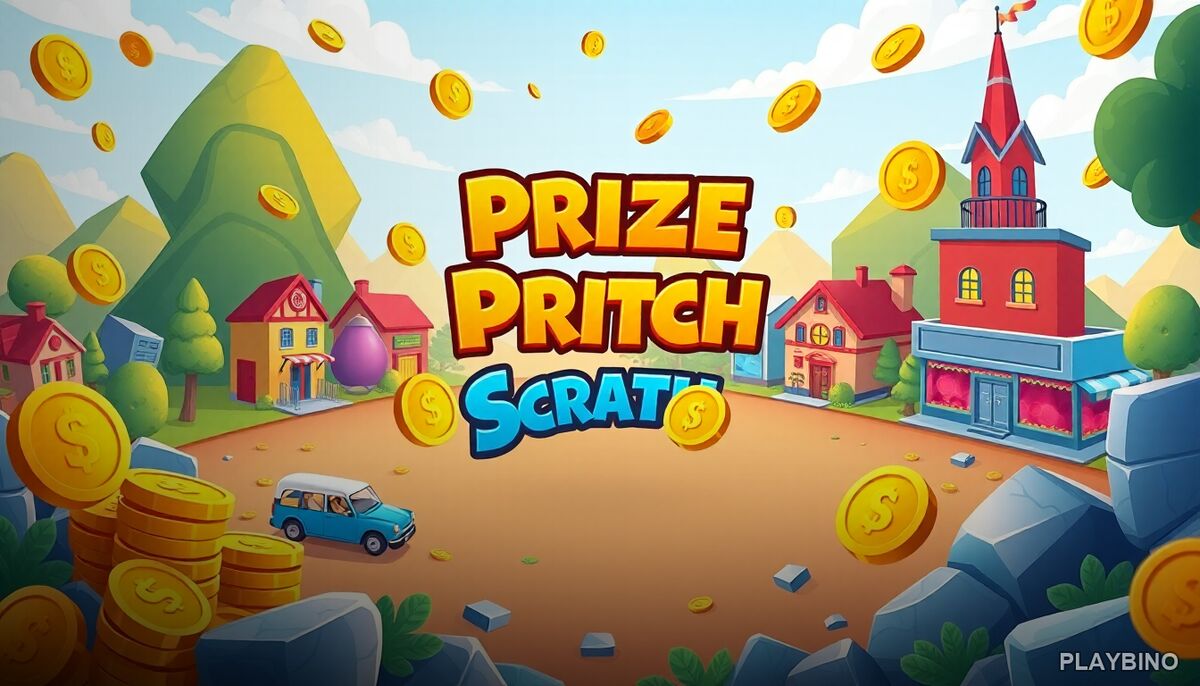
Scratch card games have a simple appeal: you click, you reveal, you react. Mega Prize Scratch takes that familiar format and brings it into the browser as a clicker simulation, adding a layer of structure through mission objectives that give each session a bit more direction. The symbols vary across cards — houses, vehicles, and other icons — and the tension of uncovering each one stays surprisingly consistent across rounds.
If you want to jump straight in, this scratch card simulation on PlayBino loads instantly with no setup required.
The Core Loop
Each round follows a clean pattern. You're presented with a digital scratch card covered in hidden symbols. Clicking reveals what's underneath, one section at a time. The satisfaction comes from that moment of uncovering — matching icons, spotting combinations, and seeing results appear in real time.
There are no lengthy animations slowing things down. Results appear quickly, which makes this a natural fit for short sessions between other tasks or for extended play when you want something low-pressure running in the background.
Symbol Variety
The cards feature a range of icons including houses, vehicles, and other themed symbols. This visual variety keeps the cards from feeling repetitive, even when the core mechanic stays the same. Different symbol sets also tie into specific mission requirements, so what you're looking for changes depending on your current objective.
How the Mission System Changes Things
The mission layer is what separates this from a purely passive clicker. Rather than simply scratching cards and accepting whatever outcome appears, you're given specific goals to chase. These might involve revealing a particular combination of symbols, hitting a milestone across multiple cards, or completing a set of conditions within a session.
This structure adds a reason to keep going beyond simple luck. You're tracking progress, adjusting your attention to what the current mission asks for, and measuring each card against a concrete target. It's a light form of engagement, but it makes the experience feel more purposeful than a standard scratch simulator.
Mission Pacing
Missions don't reset your progress mid-card, so you can work toward objectives across multiple rounds naturally. Some goals are achievable quickly; others require patience and a few more cards. This pacing keeps the difficulty from feeling arbitrary while still giving longer sessions something to build toward.
Who Plays This and Why
Mega Prize Scratch works well for casual single-player sessions where the goal is relaxation rather than competition. There's no timer pressure, no opponent to outmaneuver, and no complex ruleset to memorize. The clicker mechanics are immediate and the simulation feel is convincing enough to scratch that lottery-card itch without requiring any real-world stakes.
- Instant browser play with no downloads
- Single-player format with no time pressure
- Mission objectives add session goals beyond luck
- Quick rounds suitable for short or extended play
- Colorful symbol variety across different cards
A Different Kind of Casual Game
Not every browser game needs fast reflexes or complex strategy. Scratch card simulations occupy a specific niche — they're about anticipation, small reveals, and the rhythm of clicking through a card. The mission system here gives that rhythm a purpose, which is what makes this more replayable than a basic clicker.
If you enjoy casual simulation games with a different kind of interaction, the Baby Taylor Life Diary experience covers another relaxed single-player format worth exploring on PlayBino.
Replay Value and Session Length
Because rounds are short and missions stack across sessions, there's a natural incentive to play one more card. The lack of complicated mechanics means the game never becomes frustrating, and the mission variety keeps the objectives from feeling identical each time. Whether you have two minutes or twenty, the format adapts without demanding anything specific from you.