Merge Animals Mutant Fight: Build, Fuse, and Dominate the Arena
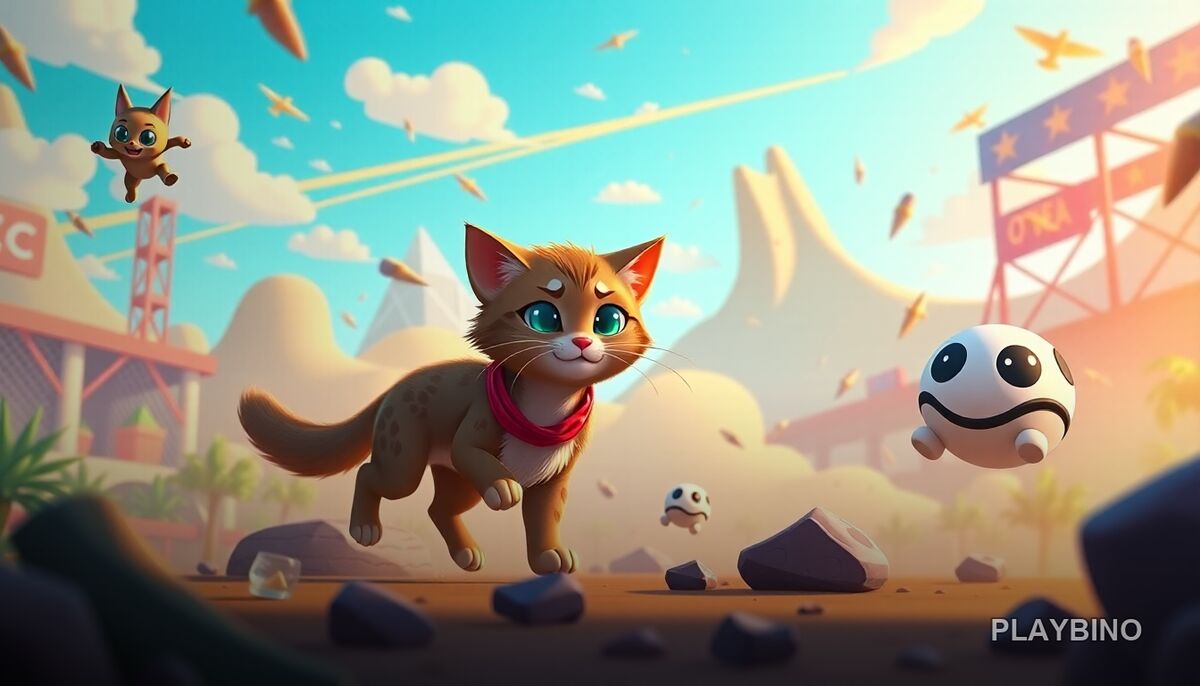
What Kind of Game Is This?
Merge Animals Mutant Fight sits at the crossroads of strategy and RPG, asking you to think like a genetic engineer before you fight like a monster. You're not picking from a preset roster. You're building your own creatures by splicing together animal components — scales, talons, horns, tentacles — and then sending those hybrids into arena combat. The result is a single-player experience where your decisions in the lab directly shape how well you survive in battle. This creature-building strategy game rewards experimentation over repetition.
The Merge Mechanic Explained
The core loop revolves around combining animal parts to produce mutants with inherited traits. Each component you attach carries a specific function — defensive parts absorb incoming damage, while offensive appendages increase attack output. The interesting part is that no single combination is universally dominant. A heavily armored creature might struggle against fast, piercing attacks, while a fragile but high-damage hybrid can collapse under sustained pressure.
Trait Inheritance
When you merge two components, the resulting mutant inherits characteristics from both sources. A creature fused from a shell and a set of razor claws will have both damage reduction and strong melee output, but the balance between them depends on which parts you prioritize. This creates genuine decision-making rather than a simple upgrade path.
Countering Enemy Types
As you progress, opponents arrive with their own experimental builds. Some enemies hit hard but lack defense. Others absorb punishment but deal minimal damage. Recognizing these patterns and adjusting your merging strategy accordingly is where the RPG layer becomes meaningful. You're not just upgrading — you're adapting.
Arena Combat and Progression
Fights take place in structured arena bouts where your mutant lineup faces off against increasingly dangerous opponents. Early stages let you experiment freely, but later encounters demand more deliberate fusion choices. The action unfolds at a pace that keeps battles engaging without becoming overwhelming. Each win advances you toward tougher adversaries, and the difficulty curve pushes you to refine your roster rather than rely on a single dominant creature.
Strategy Tips for Building a Strong Roster
- Don't focus all resources on one mutant — a varied lineup handles different enemy types more reliably.
- Prioritize defensive components early when facing unknown opponents, then adjust once you identify their attack patterns.
- Experiment with unusual part combinations; some of the most effective hybrids come from pairings that seem counterintuitive.
- Track which fusions performed well in previous fights and use that data to inform your next merging session.
- Balance offensive and defensive traits rather than maxing one direction, especially in mid-game stages.
Who This Game Appeals To
If you enjoy monster-building RPGs or strategy games where roster construction matters as much as in-battle decisions, this one delivers a satisfying loop. The action elements keep combat from feeling purely theoretical, while the merging system gives each session a creative dimension. It's a single-player experience that rewards patience and creative thinking over reflex speed.
Players who enjoy combat-focused strategy might also find value in another action-based browser challenge — Chief Joust takes a different approach to one-on-one combat that's worth exploring alongside this game.
Playing on PlayBino
The game runs directly in your browser on PlayBino with no downloads required. Sessions are self-contained enough to play in short bursts, but the progression system gives longer play sessions a clear sense of direction. Whether you spend fifteen minutes testing a new fusion or work through several arena stages in one sitting, the structure supports both approaches.