Merge Battle Tactics: Build, Combine, and Conquer the Grid
What You're Actually Doing in This Game
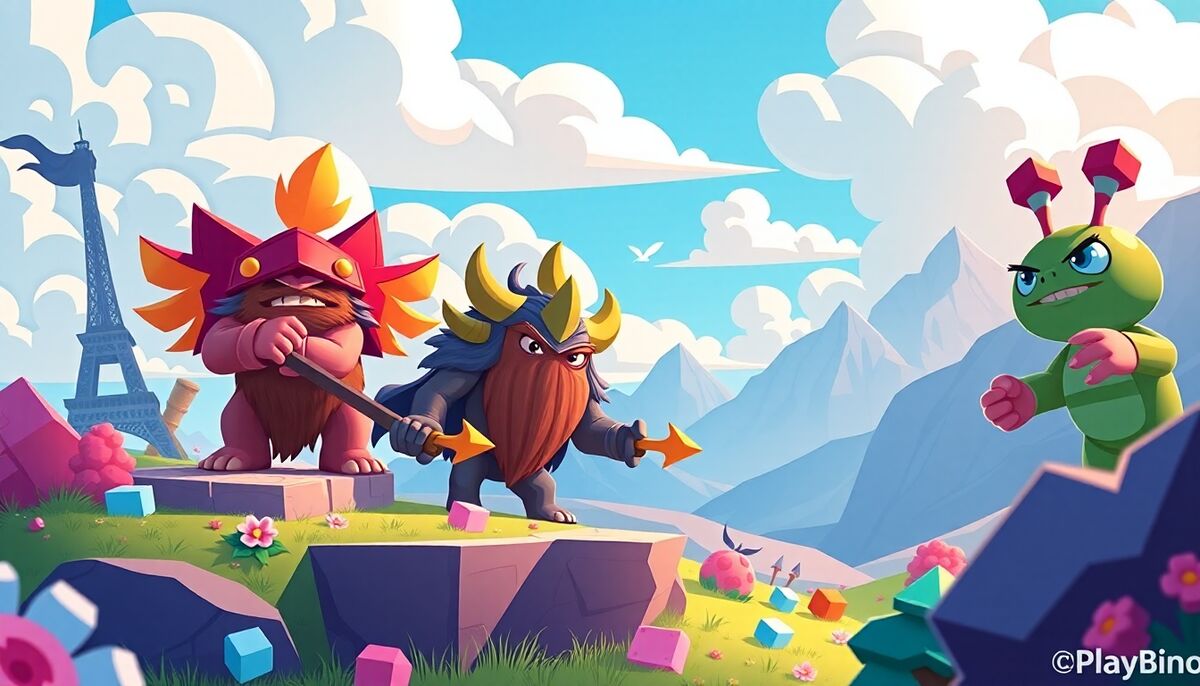
At its core, Merge Battle Tactics is a single-player strategy game where your job is to build a stronger army by combining what you already have. You drag identical monsters together on a grid, and when they meet, they merge into a more powerful unit. That upgraded creature carries better stats and new abilities, which you then use to hold the line against incoming enemies. The loop is simple to understand but increasingly demanding to execute well. You can play this monster strategy game on PlayBino directly in your browser with no download required.
The Merge Mechanic and Why It Matters
Merging is not just a cosmetic upgrade. Each combination changes what a unit can do in combat. Basic creatures deal low damage and cover limited range, but a few successful merges produce fighters with area attacks, higher durability, or specialized roles that counter specific enemy types.
Matching and Upgrading
Only identical units can be merged. This means you constantly manage a hand of available monsters, deciding which to place immediately and which to hold for a future merge opportunity. Rushing placements without planning ahead leads to a cluttered grid and missed upgrade windows. Patience here pays off more than speed.
Discovering Combinations
Part of the puzzle element comes from experimenting with different merge chains. Some merged warriors perform better against armored threats, others against fast-moving swarms. The game does not always telegraph which unit excels where, so trial and error across multiple runs teaches you which combinations are worth building toward.
Grid Positioning as a Core Strategy Layer
Where you place a unit matters as much as what the unit is. The battlefield is grid-based, and enemy formations approach from specific directions. A high-damage unit buried in the back row may never reach its target, while a durable tank placed at the front can absorb pressure long enough for your merged elites to deal decisive damage.
Protecting vulnerable spots in your formation is a recurring challenge. Enemies will exploit gaps, and a single poorly placed unit can collapse an otherwise solid defense. Repositioning costs time and sometimes forces you to break up a merge chain you were building. These tradeoffs are where the real tactical decisions happen.
Progression and Roster Growth
Winning battles rewards you with new monsters and resources. Over time, your available roster expands, opening up combination paths that were not accessible earlier. This keeps the puzzle-strategy loop from feeling repetitive because the variables keep changing. A formation that worked in earlier encounters may need rethinking once stronger enemy types appear.
- New monsters unlock through battle victories
- Resources allow roster upgrades between encounters
- Enemy variety forces different merge priorities each run
- Elite merged units carry over tactical value into harder stages
Who This Game Suits
If you enjoy games that sit between puzzle logic and battlefield strategy, this one fits that gap well. The merge mechanic gives it a brain-puzzle quality, while the positioning and combat layer adds genuine strategic pressure. It rewards players who think a few moves ahead rather than reacting moment to moment. Casual players can still progress, but deeper runs demand more deliberate planning.
For something with a completely different tone but equally quick browser-based gameplay, the Skibidi Toilet Move Face breakdown covers another fast and offbeat game worth a look between strategy sessions.
Tactical Advice for Early Runs
Prioritize Merge Chains Over Placement Speed
Resist the urge to fill every grid square immediately. Leaving space open allows you to complete merge sequences without running out of room. A half-full grid with two elite units outperforms a packed grid of basic creatures in almost every scenario.
Watch Enemy Approach Patterns
Enemies tend to follow predictable routes in early stages. Use that information to position your strongest merged units along those lanes rather than spreading them evenly. Concentrated force along a key lane often clears threats faster than a spread-out formation.
"