Merge Color 2D: Strategy, Merging, and Colorful Chaos
What Happens on the Grid
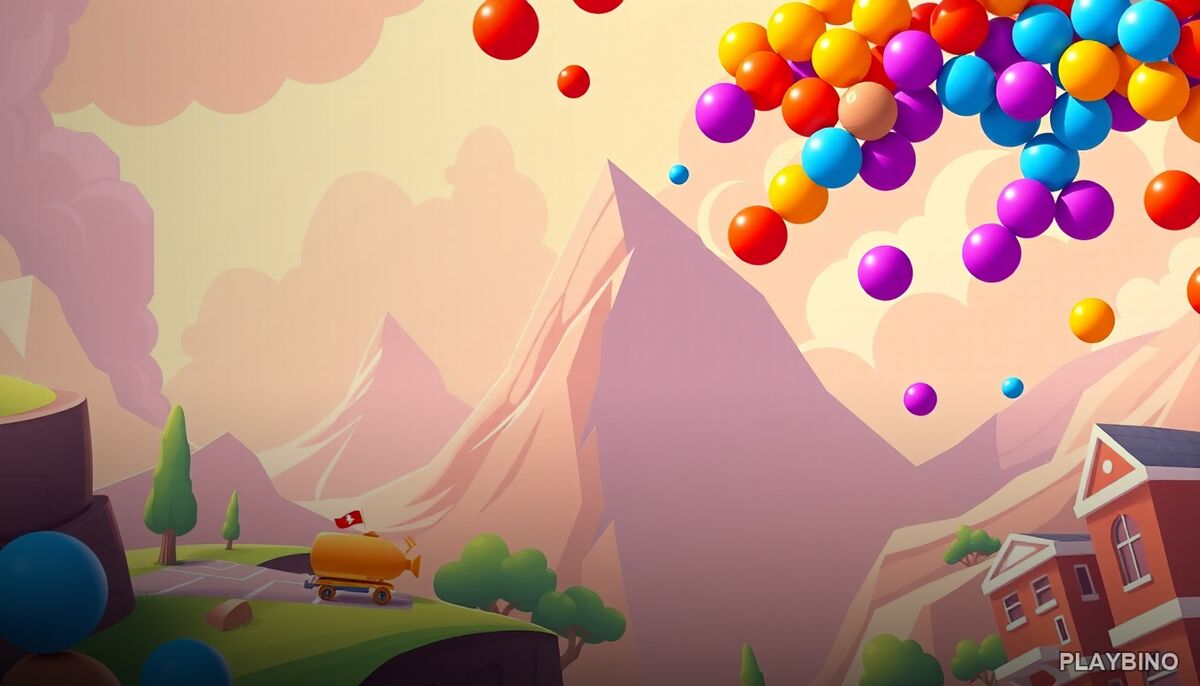
Colored balls fall continuously onto a grid, and your job is to match identical colors before the board fills up. Each successful merge combines two matching balls into a new, higher-tier shade. The chain of transformations keeps going as long as you can manage the space. Play it directly in your browser and the core loop becomes clear within the first minute: merge fast, plan ahead, and never let the grid get away from you.
Merging Mechanics and Color Tiers
The merge system in Merge Color 2D works on a progression model. Basic colors combine into intermediate shades, which then combine further into complex palettes. Each tier requires two identical pieces, so the higher you climb, the more precise your placement needs to be.
Anticipating the Drop
Balls descend at a steady pace regardless of how well you're doing. The real pressure comes from not knowing exactly where the next color will land most effectively. Watching the incoming queue and pre-positioning your existing pieces is what separates reactive play from actual strategy.
Managing Space Under Pressure
Space is always the limiting resource. A merge that clears two tiles feels satisfying, but a poorly placed ball that blocks a future match can cascade into a losing position quickly. Keeping clusters of the same color near each other reduces reaction time and opens up more merge opportunities per drop.
Puzzle Logic and Strategic Thinking
The match-3 DNA is visible in how the game rewards pattern recognition, but Merge Color 2D leans harder into spatial planning than traditional match-3 titles. You're not swiping rows — you're deciding where each incoming piece belongs relative to the evolving board state. That distinction makes it feel closer to a strategy puzzle than a casual color game.
- Higher color tiers demand longer setup chains before a merge pays off
- Leaving isolated single tiles is a common mistake that compounds over time
- Clustering by color family reduces the mental load during fast drop sequences
- Clearing large sections early gives breathing room for advanced merges later
How the Game Feels in Practice
Sessions start calm and escalate steadily. The first dozen drops are manageable, almost meditative. Then the board starts filling, the color variety increases, and decisions become more consequential. There's a satisfying rhythm when merges chain together cleanly — watching a basic color transform through multiple tiers in a single sequence is the kind of feedback that keeps the game engaging beyond the initial learning curve.
The stripped-down visual design works in the game's favor. Without distracting animations or complex menus, attention stays on the grid. Every color shift is readable at a glance, which matters when the pace picks up.
Who This Game Suits
Players who enjoy logic puzzles with a time pressure element will find a lot to work with here. The mechanics are approachable but the scoring ceiling is high enough that replaying for better results stays meaningful. If you've spent time with merge-style games and want something with tighter spatial demands, Giant Sushi: Merge Master Game offers a comparable merge experience worth exploring alongside this one.
Staying on PlayBino
Merge Color 2D is available on PlayBino with no download required. Load it in any modern browser and the game runs immediately. Short sessions work fine, but the escalating difficulty makes it easy to keep going for one more round trying to push the color tiers higher than the last attempt.