Merge Shapes: Strategy, Merging, and Evolving Tiles
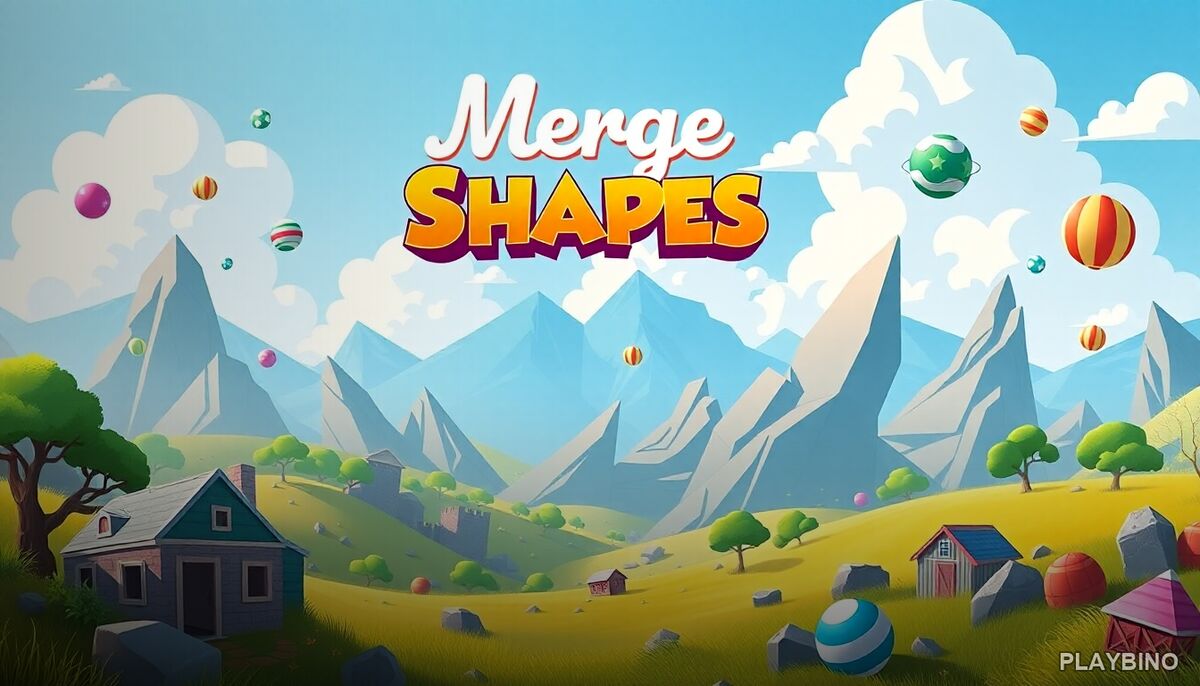
What Merge Shapes Is About
At its core, Merge Shapes is a tile-matching puzzle built around a satisfying transformation mechanic. You combine identical pieces on a board, and instead of simply disappearing, those tiles evolve — passing through intermediate visual stages before becoming a fully formed, vibrant shape. The loop is simple to grasp but layered enough to hold attention across many levels. You can try it directly in your browser without any download or setup.
How the Merging Mechanic Works
Each level starts with a board populated by various shape outlines. Placing identical tiles next to each other triggers a merge, which upgrades them into the next evolutionary stage. Chain enough merges and you eventually produce a completed shape — the kind the level objective demands.
The key detail is that not all merges are equal. Some shapes require multiple intermediate steps before reaching their final form, so planning a sequence of merges matters more than executing any single move. The board fills up quickly if you're not thinking a few steps ahead.
Move Limits and Objectives
Every level sets a specific collection target: reach a certain number of fully evolved shapes within a fixed number of moves. This constraint is what separates casual matching from genuine strategy. Wasting moves on low-priority merges can leave you short of your goal even when the board looks active. Identifying which merge chains will produce the required shapes — and committing to those paths — is the central skill the game develops.
Board Strategy and Tile Placement
Positioning matters significantly in Merge Shapes. Because merges trigger based on adjacency, clustering related tiles efficiently reduces wasted moves. Early levels give you enough room to experiment, but mid-game boards introduce more shape varieties, which means the available space fills up faster and less useful tile combinations start blocking progress.
Managing Tile Clutter
One of the more interesting challenges is avoiding dead zones — areas of the board packed with tiles that don't contribute to your current objective. Keeping clear lanes for the shapes you actually need to evolve requires constant re-evaluation. The puzzle rewards players who treat the board as a whole rather than reacting to individual merge opportunities as they appear.
Progression and Difficulty Curve
The difficulty builds at a measured pace. Early levels introduce the core merge logic cleanly, letting you internalize how shapes evolve before adding complexity. New shape types appear gradually, and later objectives require collecting multiple different evolved shapes within the same move budget. The game never throws everything at you at once, but the challenge does accumulate in a way that feels earned rather than arbitrary.
- Simple outlines evolve through staged transformations before reaching final form
- Level objectives specify which completed shapes to collect and how many
- Move limits create genuine strategic pressure on every placement decision
- New shape varieties increase board complexity in later stages
- Clean animations make each successful merge feel visually rewarding
Who This Game Suits
Merge Shapes fits players who enjoy puzzle and match-3 mechanics but want something with more deliberate strategy than a typical swipe-and-clear format. The move-limited structure means there's real decision-making involved rather than just pattern recognition. It works well in short sessions since each level is self-contained, but the increasing difficulty gives longer play sessions a sense of forward momentum too.
Sweet Match covers a similar match-based puzzle space — that tile-matching experience is worth exploring if you enjoy this style of puzzle. Both games share the satisfying rhythm of planning combinations and watching them pay off, though each takes a distinct approach to the core mechanic.
The Feel of Playing
The interface stays clean and uncluttered, which helps when you're trying to read the board and plan ahead. Merge animations are quick but visually distinct enough that you always know what stage a tile is at. PlayBino hosts the game with no friction — load it, play a level, and the experience is immediately readable. There's no tutorial overload; the mechanic communicates itself through the first few moves. That clarity is part of what makes Merge Shapes easy to return to even after a break between sessions.