Molli: Platforming Puzzles Across 20 Challenging Levels
What Kind of Game Is Molli?
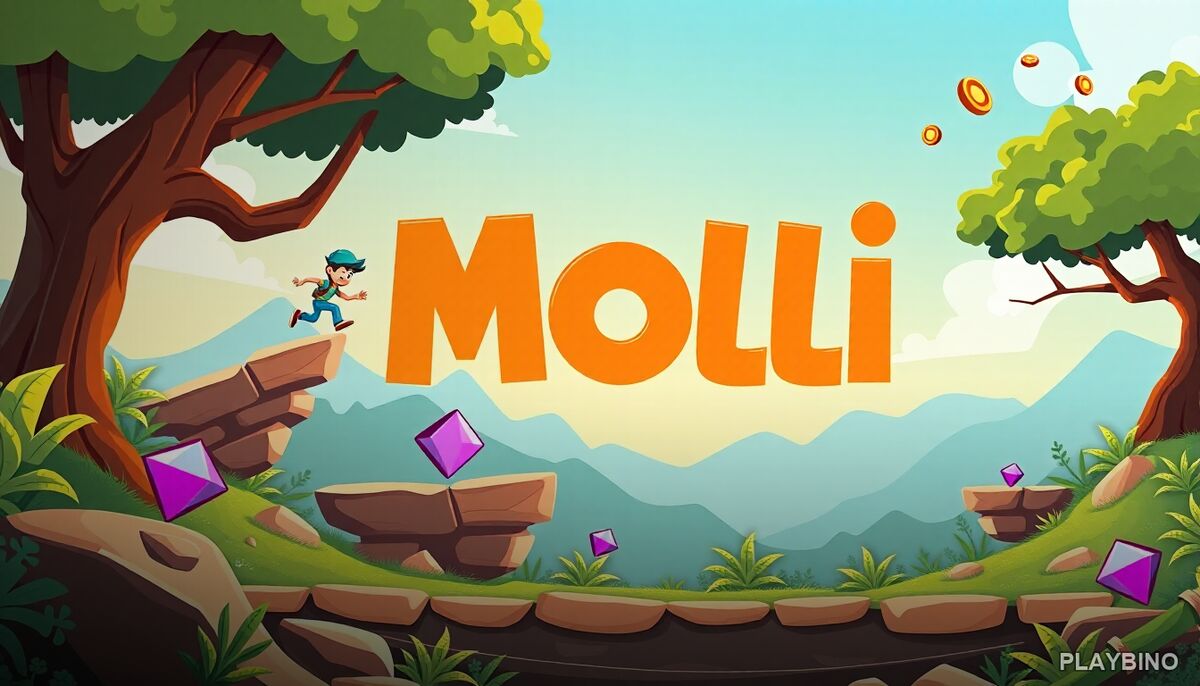
Molli sits at the intersection of arcade action and puzzle-platforming. Across twenty hand-crafted levels, you guide a determined little character through colorful environments that grow steadily more demanding. The core loop is straightforward: collect keys to unlock new pathways, gather gems scattered throughout each stage, and reach the exit without falling victim to the hazards in your way. Play it directly in your browser and the first few levels ease you in gently before the real spatial challenges begin.
The Collecting Mechanic and Why It Matters
Keys and gems are not just decoration. Keys gate your progress through each level, meaning you cannot simply rush to the exit. You need to plan a route that sweeps up the necessary keys while avoiding unnecessary exposure to hazards. Gems add a secondary layer of thoroughness — they are optional in the sense that the game does not block you for missing them, but collecting all of them in a stage demands a more careful, deliberate path.
This dual-objective design is what separates Molli from a pure reflex game. You are constantly making small decisions: grab the gem now and risk the platform gap, or clear the key first and loop back? That tension is where most of the puzzle thinking lives.
Level Design and Spatial Awareness
Narrow Platforms and Timing Windows
The environments use narrow ledges, moving platforms, and tightly spaced obstacles to test how well you read the layout before committing to a jump. Rushing rarely works. The game rewards players who pause briefly at the start of a new section to map out a mental route before moving.
Hazard Variety Across Stages
Each level introduces at least one fresh obstacle type, which keeps the twenty-stage run from feeling repetitive. Environmental dangers shift from static spikes and gaps to moving elements that require you to time your movement against a rhythm. By the midpoint of the game, you are juggling multiple hazard types simultaneously, which is where the action tag earns its place alongside puzzle.
Controls and Feel
The controls are tight and responsive, which matters enormously in a game built around precise platforming. Movement feels immediate rather than floaty, so when you miss a jump the fault is usually readable — a mistimed press or a misread gap rather than a control lag. That clarity makes failure feel instructive rather than frustrating, and it encourages quick retries rather than putting the game down.
- Left and right movement is direct with no momentum drift.
- Jump height is consistent, making distance estimation learnable.
- Hazard collisions reset the attempt cleanly without long loading pauses.
Strategy Tips for Later Levels
Once you reach the second half of the twenty levels, a few habits will significantly improve your runs. First, always locate all key positions before moving. Second, treat gems as a secondary sweep — plan your key route first, then identify which gems fall naturally along that path. Third, watch moving hazards for two or three full cycles before committing to a crossing. Rushing a pattern you have only seen once is the most common cause of repeated failures in the harder stages.
Bloomball 1: New Labyrinth Maze 2024 takes a different structural approach to spatial navigation, and that maze-based challenge is worth exploring if you enjoy games that reward route planning and careful movement.
Who Will Enjoy Molli Most
The game works well for players who like arcade-style action but want something with a bit more problem-solving behind it. The twenty-level structure gives it a clear sense of progression without overstaying its welcome. Newcomers to platformers will find the early levels accessible, while experienced players will find enough spatial complexity in the later stages to stay engaged. PlayBino hosts the game in the browser with no download required, making it easy to pick up between other sessions.