My Happy Place: Build Your Dream Home at Your Own Pace
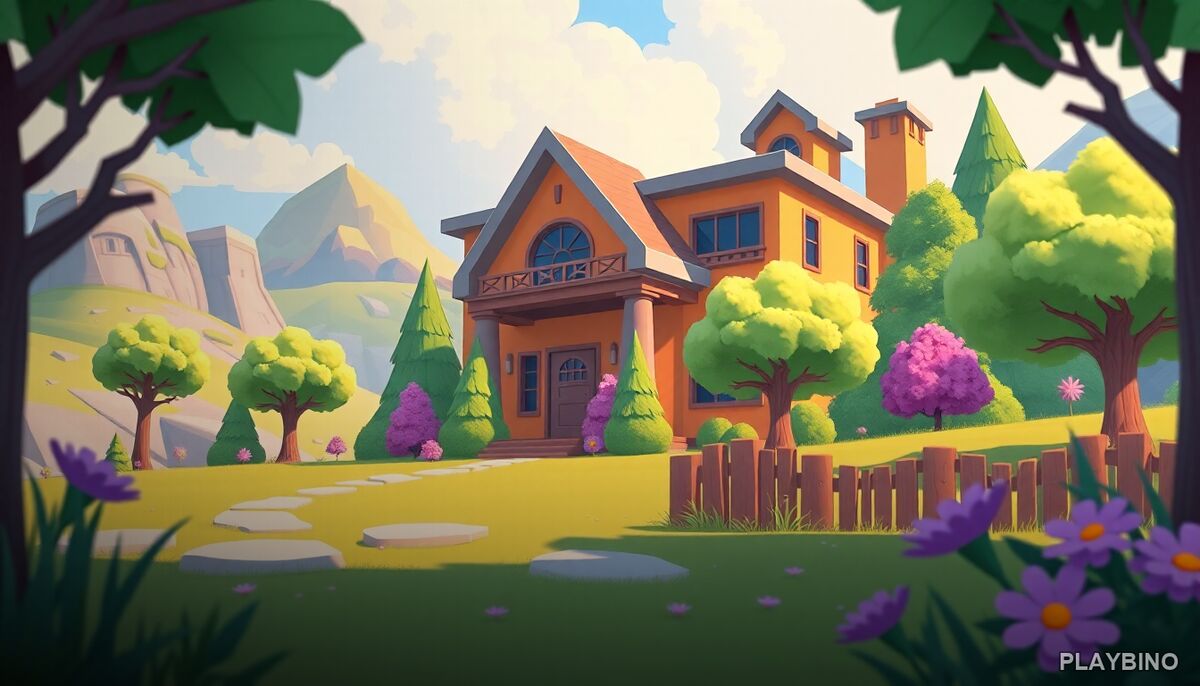
What Kind of Game Is This?
My Happy Place sits firmly in the creative simulation space, giving you a blank canvas and a set of building tools to shape a home entirely on your own terms. There are no enemies, no timers, and no score to chase. The focus is purely on the design process itself — choosing materials, placing elements, and adjusting the layout until everything looks and feels right. If you want to try it directly in your browser, the full experience loads instantly with no download needed.
The Building Process
Construction starts with the structural basics. You pick walls, windows, and doors to define the shape of your space. These choices set the foundation for everything that follows, so it's worth experimenting early rather than locking into one style immediately.
Shaping the Structure
The architectural options let you mix different wall types and window placements, which means two players building at the same time could end up with completely different results. There's no penalty for changing your mind, so swapping out a window style or repositioning a door is always an option.
Adding the Environment
Once the structure feels solid, the game opens up into landscaping and decoration. Trees, plants, and decorative touches can be placed around and within the space to bring the environment to life. This layer of customization is where the simulation really starts to feel personal — small changes in plant placement or color choices shift the entire mood of the scene.
No Rules, Just Decisions
One of the defining qualities of this simulation is the absence of strict objectives. Nothing fails. Nothing expires. You can spend as long as you want on a single window placement or completely rethink the layout from scratch. This makes it a genuinely low-pressure experience, which is rare in browser gaming.
The freedom also means the challenge is self-imposed. Players who enjoy detailed, methodical design will naturally push themselves toward more complex arrangements, while others might build something simple and minimal. Both approaches work equally well within the game's structure.
Who Plays This and Why
My Happy Place appeals most to players drawn to creative expression over competition. It's a single-player simulation, so there's no leaderboard pressure or multiplayer comparison. The satisfaction comes entirely from the finished design — seeing a space that reflects your own choices and aesthetic preferences.
It also works well as a short session game. You don't need to commit to a long run or remember where you left off in a complex progression system. Open it, build something, adjust it, and close it. The experience is self-contained and calm.
- No time limits or fail states
- Architectural customization including walls, windows, and doors
- Landscaping with trees and decorative elements
- Single-player creative simulation format
- Runs entirely in the browser with no installation
Design Decisions That Actually Matter
Even without rules, some choices have more visual impact than others. Symmetry versus asymmetry in window placement changes how structured or organic the home feels. Tree density around the exterior affects whether the space reads as open or enclosed. Mixing material styles can create contrast, or clash depending on how far you push it.
These aren't mechanical decisions with right or wrong answers — they're aesthetic ones. That's what makes the simulation feel more like a creative tool than a traditional game, and why players who enjoy that kind of thoughtful, unhurried building tend to return to it.
A Similar Creative Experience
If the world-building side of My Happy Place appeals to you, the My Fire Station World simulation takes a comparable approach to constructing and populating a themed environment — that browser simulation is worth exploring if you enjoy building out detailed spaces at your own pace. Both games share the same relaxed, single-player format available on PlayBino.
"