My Little Cat 2: Virtual Kitten Care Simulation Guide
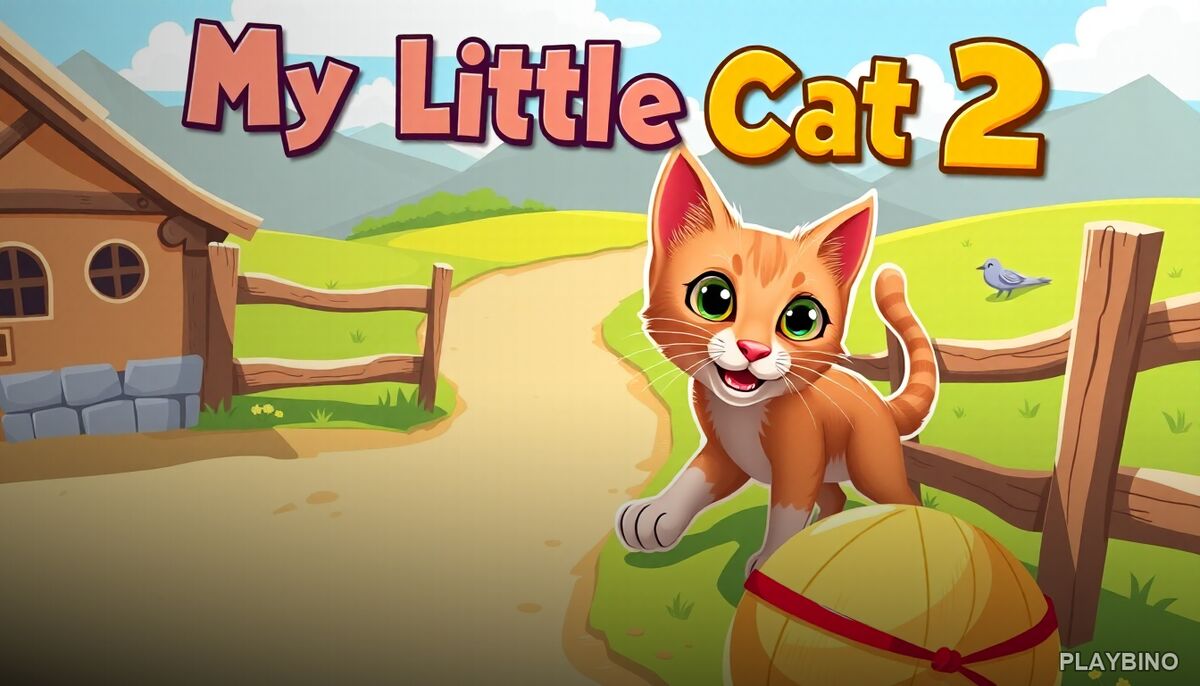
What Kind of Game Is This?
My Little Cat 2 is a single-player clicker simulation built around one simple idea: a virtual kitten needs you. The game places a small, animated cat at the center of your screen and asks you to pay attention to its changing moods and needs throughout each session. It sits comfortably in the nurturing simulation genre, where the satisfaction comes not from defeating enemies or clearing levels, but from maintaining a rhythm of care and watching your pet respond positively to your attention.
If you want to jump straight in, the browser version runs directly without any downloads or installs.
Reading Your Kitten's Needs
The core mechanic is observation. Your kitten communicates through visual cues and animations rather than text menus. When it paws at an empty bowl, it wants food. When it stretches or yawns near a soft surface, it needs rest. When it bats playfully at the air, that is your cue to start a play session. Learning to read these signals quickly is what separates attentive players from those who let the status indicators creep into the red.
The Color-Coded Status System
Each of your kitten's core needs — hunger, happiness, cleanliness, and rest — is tracked through a color-coded display. Green means the kitten is content. As neglect builds up, the indicator shifts toward yellow and eventually red. Red status means the kitten is uncomfortable and needs immediate care. Keeping all indicators in the green range is the ongoing challenge, and it creates a gentle but persistent sense of responsibility that drives the gameplay loop.
Responding at the Right Moment
Timing your interactions matters more than clicking rapidly. Feeding a kitten that is already full has no benefit, and interrupting a rest session can disrupt its recovery. The game rewards players who observe first and act second, making it more thoughtful than a typical clicker despite its simple interface.
What You Actually Do During Play
Each care action — feeding, grooming, playing, and putting the kitten to bed — is triggered by clicking the appropriate item or area on screen. Grooming sessions involve a short sequence of brush strokes. Playtime prompts light interaction with toys or cursor movement. Feeding requires selecting the right food at the right time. None of these mechanics are complex on their own, but managing all four needs simultaneously across a longer session creates a satisfying routine.
The Bond System and Progression
Every successful interaction contributes to the bond between player and kitten. A stronger bond is reflected in the kitten's animations — it becomes more expressive, more playful, and more visibly content when cared for consistently. This progression layer gives the simulation a sense of growth over time. You are not just maintaining a pet