Mystic Object Hunt: Hidden Scene Puzzles Across 15 Atmospheric Levels
What the Game Asks of You
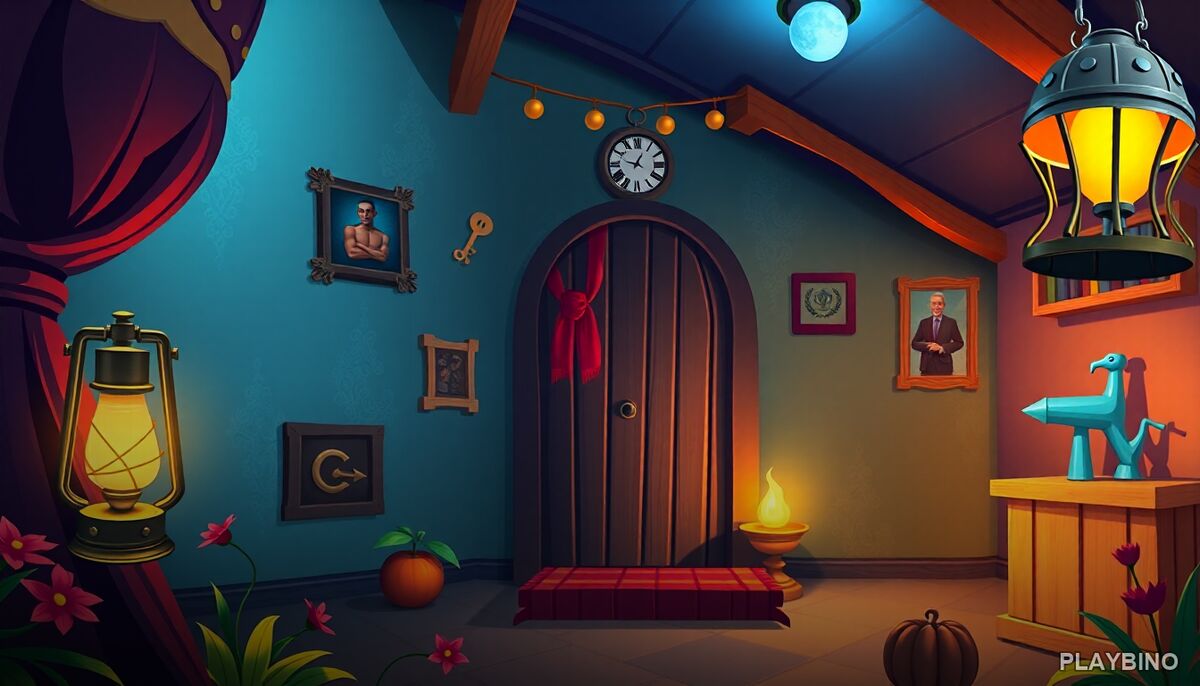
Mystic Object Hunt drops you into a series of elaborately constructed scenes — ancient temples, forgotten libraries, dusty chambers — and hands you a list of objects to find. The premise is simple, but the execution demands real focus. Each scene is dense with visual detail, and the objects you're hunting can be tucked behind ornate carvings, blended into cluttered shelves, or sitting in plain sight in a spot your eyes keep skipping over. You scan, you spot, you move on. Fifteen scenes in total, each one more layered than the last.
If you want to jump straight in, try it directly in your browser and see how far your observation skills carry you on the first attempt.
The Atmosphere Does Real Work
A lot of hidden object games feel sterile — white backgrounds, flat objects, no sense of place. This one takes a different approach. The mystical theme isn't just decoration; it actively makes the puzzle harder. When you're searching a candlelit library filled with ancient manuscripts and strange artifacts, a small relic sitting on a crowded desk becomes genuinely difficult to isolate. The environments are designed to pull your attention in multiple directions at once, which is exactly the point.
Each new scene introduces a fresh setting with its own visual language. That variety keeps the brain engaged rather than letting you fall into a pattern from one level to the next.
Time Pressure and Observation Mechanics
The Clock
There's a timer running throughout each scene. It doesn't make the game frantic, but it does prevent you from methodically scanning every pixel at leisure. You need to develop a rhythm — sweep the scene broadly first, pick off the obvious items, then narrow your focus to the harder ones. Spending too long hunting one object while the clock ticks down is a common mistake in the early levels.
How Objects Hide
The hiding logic varies across scenes. Some objects are small and placed near similarly colored backgrounds. Others are partially obscured by foreground elements. A few are actually quite visible but positioned somewhere your eye naturally avoids — corners, edges, areas that feel like empty space. Recognizing these patterns across scenes is part of what makes progression feel earned rather than random.
Progression and Difficulty Curve
The first few scenes serve as a calibration. The object lists are manageable, the environments readable. By the midpoint, the scenes become noticeably busier and the objects more deliberately camouflaged. The final scenes reward players who have developed a systematic approach — those who scan in structured paths rather than jumping around the image randomly.
- 15 unique scenes with increasing visual complexity
- Themed environments: temples, libraries, mysterious chambers
- Timed hunts that reward efficient scanning
- Objects range from obvious placements to carefully concealed ones
- Progression tied to completing each scene's full list
Who This Game Suits
Hidden object and brain puzzle fans will find a lot to work through here. The game doesn't require fast reflexes or prior gaming knowledge — it rewards patience, visual memory, and the kind of focused attention that some players find genuinely relaxing despite the timer. It also works well in short sessions; each scene is self-contained, so you can stop and return without losing your place in the overall flow.
Hidden Object Search is another game built around the same core mechanic, and that comparable browser challenge is worth exploring if you want more scenes to work through after finishing these fifteen.
Strategy for Harder Scenes
Once the environments get complex, a few habits help. Start from one corner and move systematically rather than chasing whatever catches your eye first. Cross-reference the object list regularly — knowing what shape or size you're looking for narrows the search considerably. And when you're stuck on one item, shift focus to another and return; fresh eyes on a specific area often spot what a prolonged stare misses.
PlayBino hosts the game with no download required, so the full fifteen-scene run is available whenever you want to put your observation skills to the test.