Noob the Builder: Construction, Clicks, and Idle Upgrades
Building From Nothing
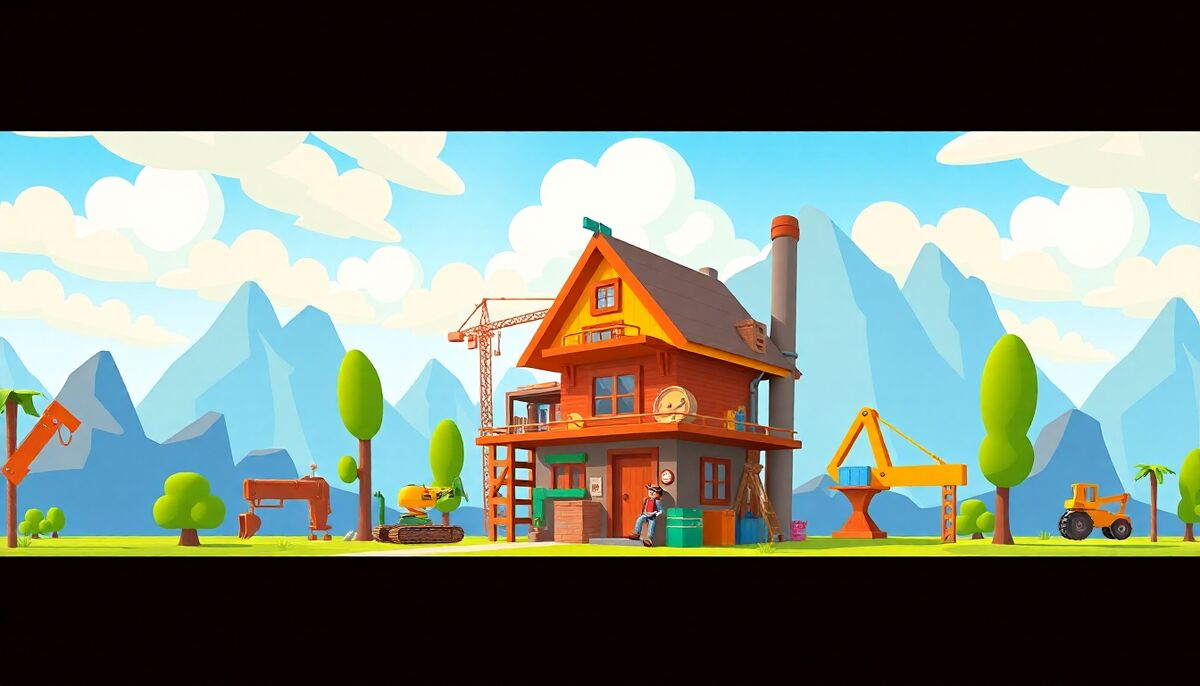
There is something satisfying about watching a structure rise from an empty plot, one click at a time. Noob the Builder puts you in that position, handing control to an inexperienced character who has to gather materials, lay foundations, and push walls upward through sheer persistence. The blocky visual style immediately signals a crafting atmosphere that construction game fans will recognize, though the actual loop here is driven by idle and clicker mechanics rather than free-form building.
Each session starts simply. You click to collect materials, those materials feed into the construction project, and progress becomes visible as rooms and walls take shape. If you want to try this idle construction challenge, the full game runs in any browser without installation.
How the Clicker Loop Works
The core mechanic is straightforward: clicking generates resources, resources advance building phases, and completing phases unlocks the next stage of construction. What makes the loop hold attention is the coin system layered on top. Coins collected during building sessions feed into an upgrade menu that directly improves your gathering speed.
Upgrades and Progression
Upgrades are the engine of the game. Early improvements feel modest, but stacking several multipliers together creates a noticeable shift in how fast materials accumulate. This is where the idle simulation element kicks in. You are not just clicking faster; you are building a system that produces results even when your input slows down. The progression rewards patience without making early stages feel pointless.
Construction Phases
The building project moves through distinct phases, from foundation work to walls to more complex interior construction. Each phase has a clear visual payoff, which gives the game a sense of forward momentum that pure number-based idle games sometimes lack. Watching the structure actually change shape keeps goals concrete and visible.
What Kind of Player Enjoys This
Noob the Builder suits players who enjoy incremental games where small decisions compound over time. If you like watching numbers climb and systems accelerate, the upgrade loop here delivers that steadily. The skill element comes from deciding which upgrades to prioritize and when to push through a construction phase versus pausing to reinvest coins into speed improvements.
- Clicker mechanics with visible construction progress
- Coin-based upgrade system that multiplies gathering speed
- Blocky visual style with a crafting atmosphere
- Idle progression that rewards returning to sessions
- Clear phase-based goals from foundation to finished building
Pacing and Session Length
Sessions can be as short or as long as you want. The idle side of the game means progress does not completely stop when you step away, which makes it easy to pick up mid-construction and see meaningful advancement. Longer sessions allow you to chain upgrades together and push through multiple building phases in one run, which feels rewarding when the multipliers are stacked well.
A Similar Browser Game Worth Trying
If resource gathering in a construction setting appeals to you, Cave Worker Steve takes a comparable approach from a different angle. That game also centers on a working character collecting materials in a blocky environment, and this look at the cave mining experience breaks down how its mechanics differ from what Noob the Builder offers. Both games share idle and simulation DNA, but the settings and upgrade structures give each one a distinct feel.
Why the Progression Feels Rewarding
The design keeps the feedback loop tight. You always know what the next upgrade costs, how far along the current construction phase is, and what the finished structure will look like. That clarity removes frustration and keeps the idle simulation moving forward. PlayBino hosts a range of clicker and idle games, and Noob the Builder fits comfortably among titles that prioritize steady, visible progress over complex mechanics. The simplicity is intentional, and for players who enjoy watching a system build momentum, it works well.