Noob vs Pro Super Hero: Rescue Mission Platformer Guide
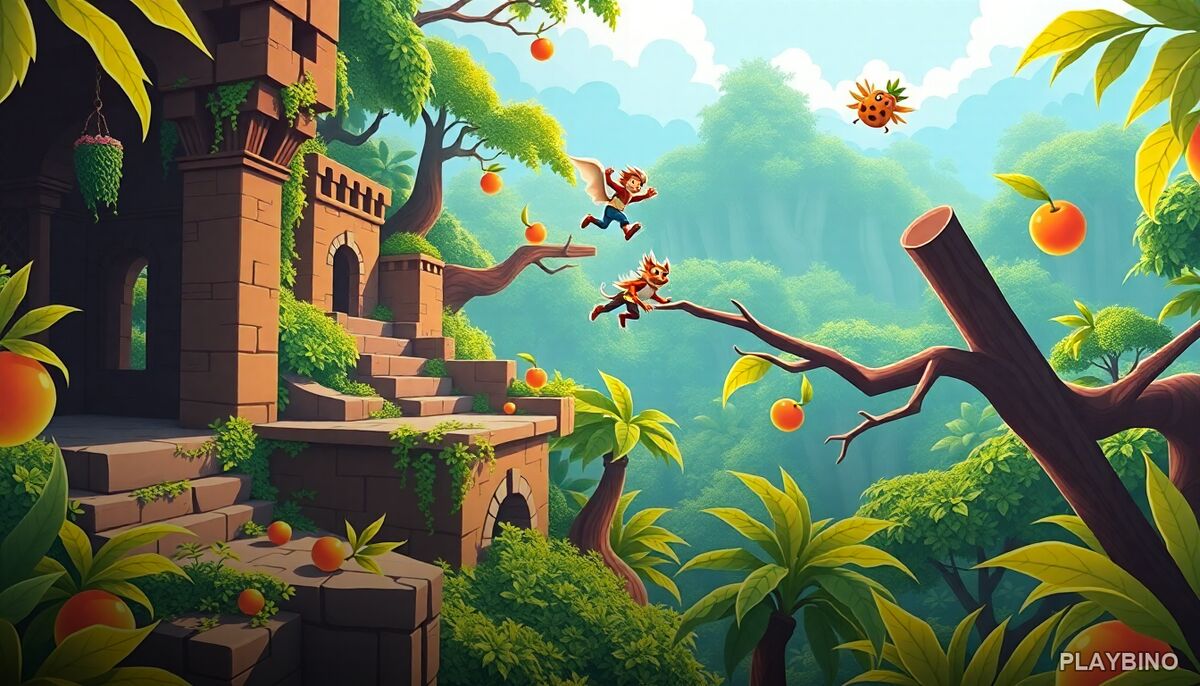
The Setup: An Unlikely Hero on a Rescue Run
Not every platformer starts with a polished champion. In this one, you control Noob — an underdog sent into a hazardous forest to rescue his injured friend Pro. The mission sounds simple, but the terrain has other plans. Gaps, traps, and environmental hazards block every route, and raw determination only gets you so far. What changes everything is a hidden artifact buried somewhere in the wilderness: the Superpower Totem.
Once Noob finds it, the game shifts. Suddenly you're leaping across wide gaps and sprinting through tight sequences that would have been impossible before. This fast-paced rescue platformer builds its entire loop around that transformation — from struggling newcomer to capable hero — and it works because the power-up feels earned rather than handed to you.
Forest Navigation and What the Terrain Demands
The forest setting is more than visual decoration. Each section of the level introduces a new combination of obstacles that forces you to think about movement rather than just mash forward. Gaps require precise jump timing. Traps punish hesitation. Some hazards need you to sprint through before they trigger; others need you to slow down and read the pattern first.
Before the Totem
Early movement feels deliberately limited. Noob's base abilities are enough to explore but not enough to push through the harder sections. This phase teaches you the layout and trains your reflexes before the difficulty spikes.
After the Totem
With the Superpower Totem active, long-distance leaps and high-speed sprints become your main tools. The platforming sequences tighten up significantly here. Gaps become wider, timing windows get shorter, and the level design starts demanding that you chain abilities together rather than use them one at a time.
What Actually Matters: Timing and Route Reading
The core skill in this game is not speed — it's reading what's ahead before you commit. Rushing into a new section without scanning for traps usually ends in a reset. The action arcade structure rewards players who pause at the edge of a platform, identify the hazard type, and then move decisively.
- Jump timing is critical near gaps with moving platforms or narrow landing zones.
- Sprint ability should be saved for sections with closing traps or timed obstacles.
- The escape portal at the end of each level only opens when you've cleared the route — there's no shortcut past the hazards.
- Each level adds new obstacle combinations, so patterns from earlier stages don't always repeat.
Level Progression and Increasing Challenge
The game scales difficulty gradually. Early levels introduce one hazard type at a time, giving you space to learn each mechanic. By the mid and later stages, those mechanics combine — a gap followed immediately by a trap, or a sprint section that ends at a narrow ledge. The single-player structure means all pressure lands on your timing and decision-making, with no teammates to compensate for mistakes.
Reaching the escape portal with both Noob and Pro feels like a genuine payoff because the path to it was never trivial. The rescue framing gives the platforming a purpose beyond just reaching the end of a stage.
Who This Game Suits
If you enjoy arcade-style action with a clear progression arc and ability-based platforming, this one delivers a satisfying loop. The 1-player format keeps the focus tight. There's no score system pulling attention away from movement — just the challenge of getting through each level cleanly.
Players who like character transformation mechanics — where a limited starting state evolves into something more capable — will find the Superpower Totem moment genuinely motivating. It reframes the entire game rather than just adding a stat boost.
Similar Platformer to Try
If the movement-based challenge here appeals to you, another browser platformer worth exploring is Turtle Quest, which brings its own take on navigating tricky terrain with a different kind of protagonist. PlayBino hosts both, so switching between them is easy if you want to compare the feel of each game's movement design.