Number Shoot: Puzzle Shooting Strategy and Tips
What Number Shoot Actually Is
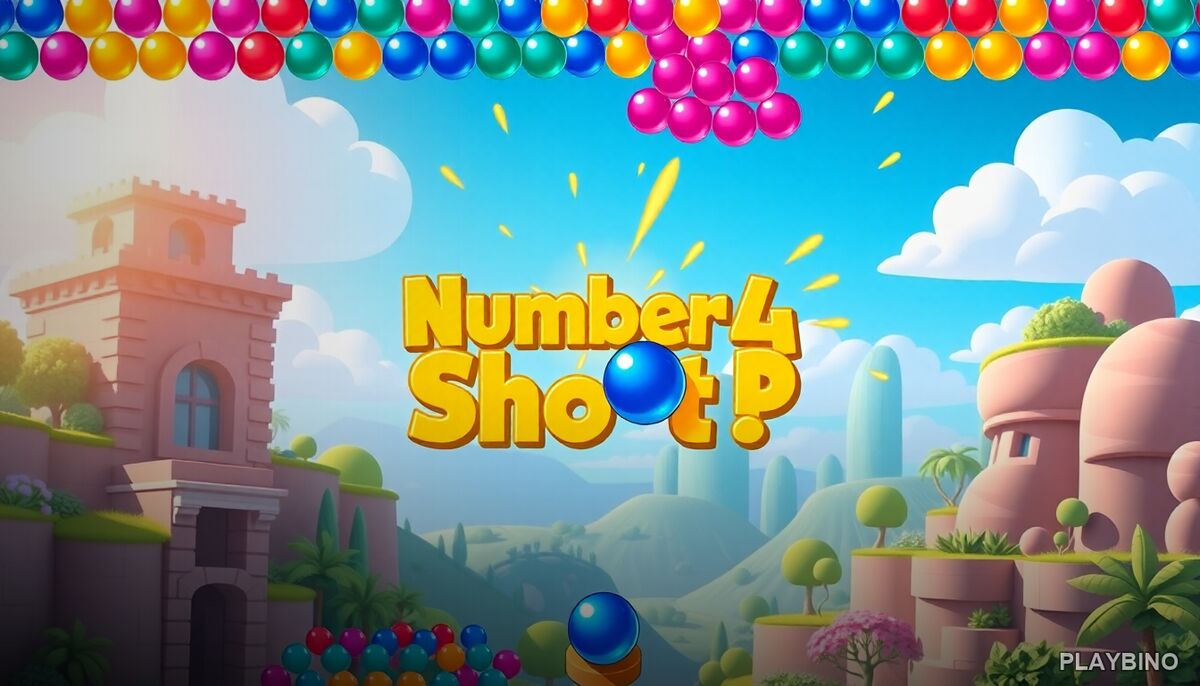
At first glance, Number Shoot looks like a classic bubble shooter. Aim, fire, match. But spend a few rounds with it and the numerical layer changes everything. Each bubble carries a value, and clearing clusters requires more than just color-matching instincts. You need to think about which numbers land next to which, how groups form, and whether your current shot opens up a better sequence or collapses your options. The browser version loads instantly, so it's easy to jump in and see how quickly the puzzle logic takes over.
How the Shooting Mechanic Works
The core loop is familiar: you aim a numbered bubble from the bottom of the screen and launch it toward the cluster above. Matching numbers group together and clear when a certain condition is met. What separates this from standard bubble games is that placement matters beyond just adjacency. Landing a bubble in the wrong spot doesn't just waste a shot — it can lock off entire sections of the board and force difficult recovery moves.
Aiming and Angle
Wall bounces are available, and learning to use them effectively opens up shots that a straight trajectory can't reach. Tight clusters near the edges are often best approached from an angle. The aiming line helps, but reading the board before committing to a direction is what actually separates clean runs from cluttered screens.
Number Matching Logic
Higher-value bubbles tend to appear more frequently as levels advance. Clearing them requires either matching them directly or building around them strategically. Leaving high numbers isolated near the top becomes a problem fast, so prioritizing them early — even when lower-value clusters look more tempting — is usually the smarter play.
Level Progression and Difficulty
Early levels give you room to experiment. The arrangements are loose, number values are low, and mistakes don't compound badly. By the mid-game, the board tightens considerably. Clusters become denser, the ceiling drops faster, and the numbers you're working with require more deliberate planning. Each level feels like a distinct puzzle rather than a repeated format with cosmetic changes.
Strategy That Actually Helps
- Don't always shoot at the largest cluster. Sometimes clearing a smaller group first opens a chain reaction that handles the bigger problem.
- Watch your upcoming bubble. Knowing what you'll fire next lets you set up a two-shot sequence instead of reacting one move at a time.
- Avoid letting the board grow too tall. Once bubbles reach the lower zone, recovery becomes very difficult very fast.
- Use wall angles to reach isolated bubbles that are blocked by mismatched numbers.
- High-value bubbles near the top should be targeted early before they become anchors for everything else.
The Puzzle and Arcade Balance
Number Shoot sits comfortably between arcade shooting and logic puzzle. It doesn't rush you with aggressive timers, but it doesn't let you stall either. The board pressure builds naturally, which creates a rhythm that feels engaging without being stressful. The minimalist design strips away visual noise so your attention stays on the numbers and patterns rather than on flashy effects. That restraint works in its favor — the game communicates clearly, and every decision feels like it belongs to you rather than to luck.
Players who enjoy Bubble Shooter Saga Online — a comparable arcade experience covered here — will find Number Shoot scratches a different itch by adding the numerical layer that makes each shot a small calculation rather than a reflex.
Who This Game Suits
Number Shoot works well for anyone who wants a puzzle that fits into short sessions without feeling shallow. It's available on PlayBino alongside other browser arcade titles, and it requires no installation or account. The calm pacing makes it a reasonable choice for a mental reset, but the layered mechanics give it enough depth to stay interesting across multiple sessions rather than wearing out after a few plays.