Panda Shark Family: Underwater Missions, Mini-Games, and Ocean Puzzles
What Kind of Game Is This?
Panda Shark Family is a single-player simulation and puzzle game set entirely underwater. Rather than following a single mechanic from start to finish, it breaks into three distinct missions, each with its own objectives, environments, and mini-game logic. The result feels more like a short interactive story than a traditional arcade run. Play it directly in your browser and you'll notice quickly that the tone is cheerful, the visuals are bright, and the pacing moves at a comfortable speed.
The Three Missions Explained
Each segment of the game introduces a fresh set of tasks, which keeps the experience from feeling repetitive. Here's what players work through:
- Rescue mission: Free jellyfish that have become tangled in coral reefs. This involves careful interaction with the environment and attention to where each creature is stuck.
- Snack preparation: Hungry ocean dwellers need feeding. This segment plays more like a light cooking or sorting puzzle, requiring players to match ingredients or complete sequences correctly.
- Amusement park restoration: A rundown underwater amusement park needs repairs. This is the most creative segment, blending construction logic with light simulation tasks.
The variety across these three sections is one of the game's strongest qualities. No single mechanic overstays its welcome.
The Squid Showdown
The final mission shifts the tone slightly. A mischievous squid has caused damage to the underwater palace, and restoring order becomes the central challenge. This segment demands quicker thinking than the earlier missions. Players need to identify what's broken, prioritize repairs, and respond to the squid's interference without losing progress.
Attention to Detail
The palace restoration isn't just about speed. Certain repairs require players to notice small environmental cues — a cracked wall here, a displaced object there. Rushing through without observing the details leads to missed steps and backtracking.
Pacing the Final Stage
Unlike the earlier missions, the squid segment introduces mild time pressure. It's not punishing, but it does reward players who stay focused rather than exploring freely. Younger players may need a second attempt, which is part of the progression design.
Who Plays This Well
The mechanics are accessible enough for younger audiences, but the multi-stage structure gives it enough variety to hold the attention of casual players looking for something low-pressure. There's no combat, no fast reflexes required in most sections, and no penalty system that feels frustrating. The cheerful ocean art style reinforces the relaxed atmosphere throughout.
Players who enjoy simulation-style puzzle games — the kind where you complete tasks in sequence rather than react to threats — will find the format familiar and satisfying. Fairy Land Rescue follows a similar rescue-and-restore format, and that game's approach to mission structure makes for an interesting comparison if you enjoy this style of play.
Visuals and Atmosphere
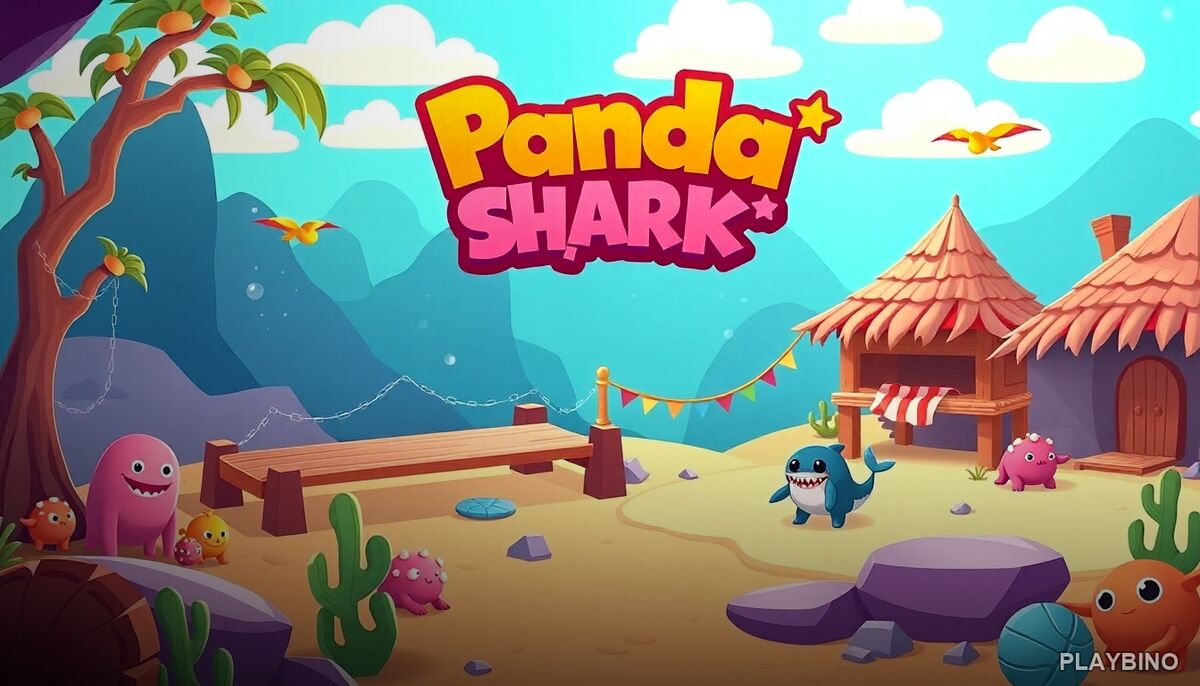
The underwater setting is rendered with soft colors and cartoon-style character designs. The shark family characters are expressive without being distracting, and the ocean environments change enough between missions to feel distinct. Background details like floating bubbles, coral formations, and sea creatures add depth to each scene without cluttering the interactive areas.
PlayBino hosts the game in full browser format, so there's no download required and the visual quality holds up well on standard screens.
Strategy and Replay Value
Panda Shark Family isn't built around high scores or leaderboards. The value comes from completing each mission cleanly and experiencing the full story arc. On a second playthrough, players familiar with the squid segment can move through the palace repairs more efficiently, which gives a small sense of mastery even within a casual format.
If you're working through the game for the first time, take your time during the jellyfish rescue and snack preparation stages. These earlier missions quietly teach the interaction patterns you'll rely on during the more demanding final segment.
"