Pirates Find The Diffs: Spot Hidden Changes in Pirate Scenes
What Kind of Game Is This?
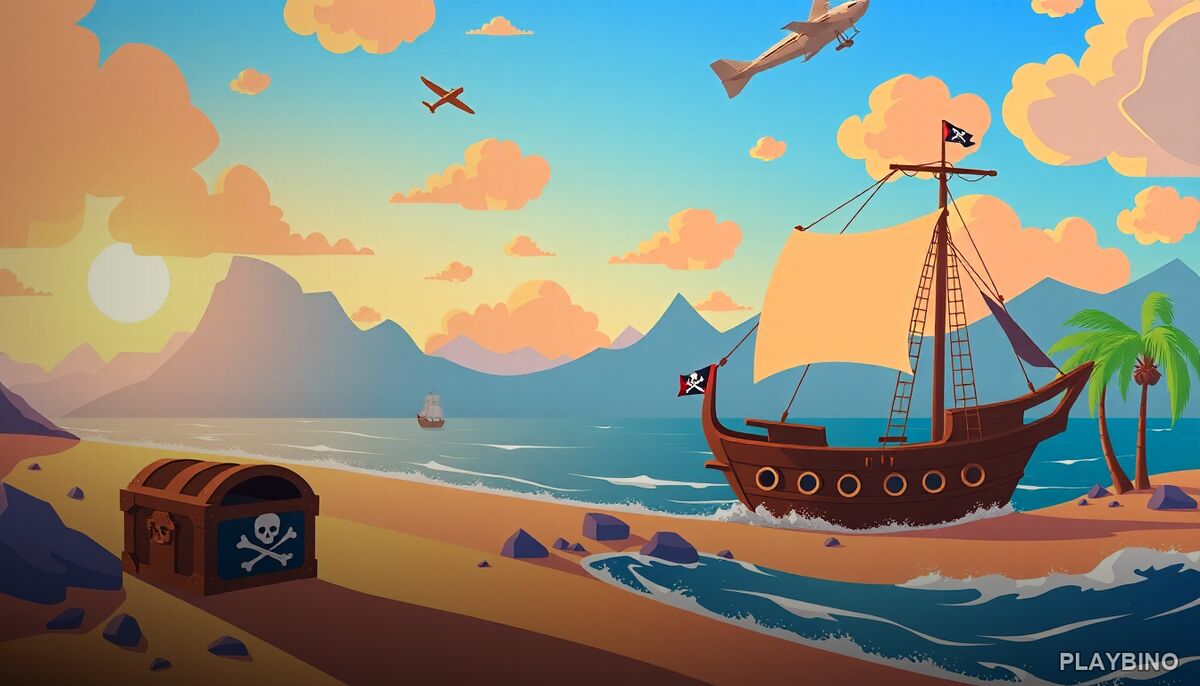
Spot-the-difference puzzles have a long history as brain exercises, and Pirates Find The Diffs wraps that format inside a detailed maritime world. Two nearly identical pirate scenes sit side by side, and your job is to find every variation between them before the clock expires. The pirate setting adds atmosphere that makes each search feel purposeful — less like a worksheet exercise and more like scanning a map for buried clues.
If you want to jump straight in, this observation puzzle on PlayBino runs entirely in the browser with no downloads required.
How the Puzzle Mechanics Work
Each level presents two detailed illustrations placed side by side. The differences are not always obvious. Some are straightforward color swaps or missing objects, but others involve subtle shifts in shadow direction, pattern changes on a sail, or a small element that moved a few pixels toward the edge of the frame.
What Changes Between Images
The game varies the type of alteration from level to level. You might notice a rope coil that vanished entirely, a lantern that changed shape, or a background island that lost a tree. This variety keeps the memory and observation challenge fresh rather than training you to look for only one kind of difference.
The Timer Pressure
A countdown clock runs throughout each puzzle. Once time expires, the level ends and the game reveals how many differences you found and how many you missed. That post-level summary is useful — it shows exactly where the hidden changes were, which helps you understand what your eyes skipped over and why.
Scanning Strategy
Random clicking rarely works well past the early levels. The most effective approach is a structured scan: start from one corner of the left image and move systematically across in horizontal strips, then cross-reference the same area on the right image before moving down. This method reduces the chance of your eyes drifting toward already-checked areas and missing a small change tucked into a busy background.
When you feel stuck, shift focus to the borders and background elements. Players tend to concentrate on the most visually interesting parts of an illustration — the pirate ship, the crew, the treasure chest — while the developers often hide differences in peripheral details like sky texture, water ripples, or the edge of a dock plank.
Level Progression and Difficulty
Early levels use simpler illustrations with fewer background layers, making differences easier to isolate. As you progress, the scenes become more complex: more characters on deck, busier island landscapes, and more overlapping objects that create visual noise. The number of differences per level may also increase, which puts more pressure on the timer.
The memory component becomes more relevant at higher difficulty. After scanning one image, you need to hold specific visual details in short-term memory long enough to verify them against the second image. Players who practice deliberate visual memory — consciously noting the exact position and color of an element before switching eyes — tend to find differences faster than those who rely purely on instinct.
Who This Game Suits
- Players who enjoy brain and memory puzzles with a clear objective
- Anyone who likes single-player games they can complete in short sessions
- People who want a calm but mentally engaging challenge without combat or reflex mechanics
- Fans of illustrated puzzle games with a strong visual theme
A Similar Puzzle Worth Trying
The spot-the-difference format appears across many visual themes, and each one offers a slightly different observation experience depending on the art style and scene complexity. If you enjoy this type of puzzle, the Mermaids: Spot The Differences challenge covers a comparable game built around underwater scenes and similarly layered illustrations — worth a look if you want to keep the format going with a different visual world.
"