Pixel Battle Upward: Two-Player Arcade Combat on a Vertical Stage
What Kind of Game Is This?
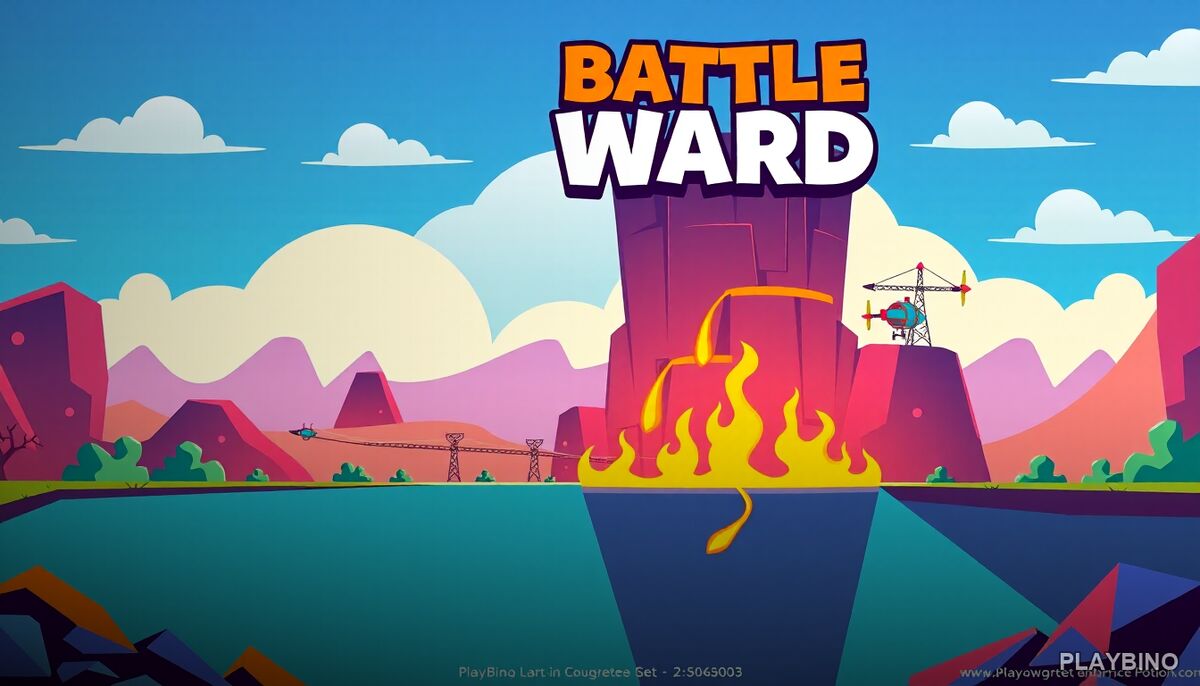
Pixel Battle Upward is a retro-styled two-player combat game built around a single dangerous idea: stay above the lava or lose. The arena is vertical, the hazards are constant, and every match lasts only as long as one player makes a critical mistake. Play it directly in your browser and you'll immediately feel the pressure of sharing a shrinking platform with an opponent who wants you dead.
The pixel art presentation is not just aesthetic — it keeps visual information clean during chaotic moments. You always know where your opponent is, where the explosives landed, and how close the lava is rising. That clarity matters when decisions happen in fractions of a second.
The Arena and Its Hazards
The vertical layout is what separates this from standard flat-platform PvP games. Both players start on the same stage, but the environment constantly applies pressure from two directions simultaneously.
Lava Below
The lava at the bottom of the arena is a passive threat that punishes poor positioning. Fall off the platform edge or get knocked down, and the match ends. This forces both players to fight upward and stay mobile rather than camping in one corner.
Explosives From Above
Random explosives drop across the platform throughout each round. These are not telegraphed far in advance, so both players must constantly scan the stage while tracking their opponent. An explosive landing near you forces movement — and that forced movement is often when a rival sees an opening.
Combat and Positioning
The core of every match is the tension between aggression and safety. Pushing your opponent toward the lava edge is the goal, but overcommitting leaves you exposed to a well-timed counter. The arcade nature of the game means rounds are short, which raises the stakes on every individual exchange.
Positioning near the center of the platform gives flexibility, but it also means both players can reach you from either side. Staying near an edge gives you less room to maneuver but can funnel your opponent into predictable attack angles. Neither approach is universally correct — the right choice shifts depending on where the explosives are falling and how aggressively your opponent is playing.
Two-Player Dynamics
This is a local 2-player PvP game, which means the experience changes dramatically based on who you're playing against. Against a cautious opponent, patience and explosive awareness tend to win. Against an aggressive player, quick lateral movement and counter-timing matter more.
The short match length means losing a round doesn't feel punishing — it feels like a reason to play again immediately. That loop is what makes the arcade format work here. Each round teaches you something about your opponent's habits, and adjusting between rounds is where the real skill expression lives.
What Makes the Format Work
Pixel Battle Upward does not try to be a deep fighting game. It strips PvP combat down to positioning, timing, and hazard awareness. The result is something that anyone can pick up in seconds but that rewards players who pay attention to patterns. The pixel art style reinforces this by keeping every element readable — no visual clutter, no confusion about what just happened.
The random explosive placement adds a layer of unpredictability that prevents either player from fully scripting their approach. Even a dominant player can be caught off guard by a poorly timed drop, which keeps matches from feeling one-sided too often.
Similar Browser Game to Consider
If quick arcade competition is what you're after, the Hungry Cat game on PlayBino takes a completely different approach to fast-paced browser gameplay — a different kind of arcade challenge worth a look between matches.