Pixel Run: Endless Runner Guide for Surviving Every Course
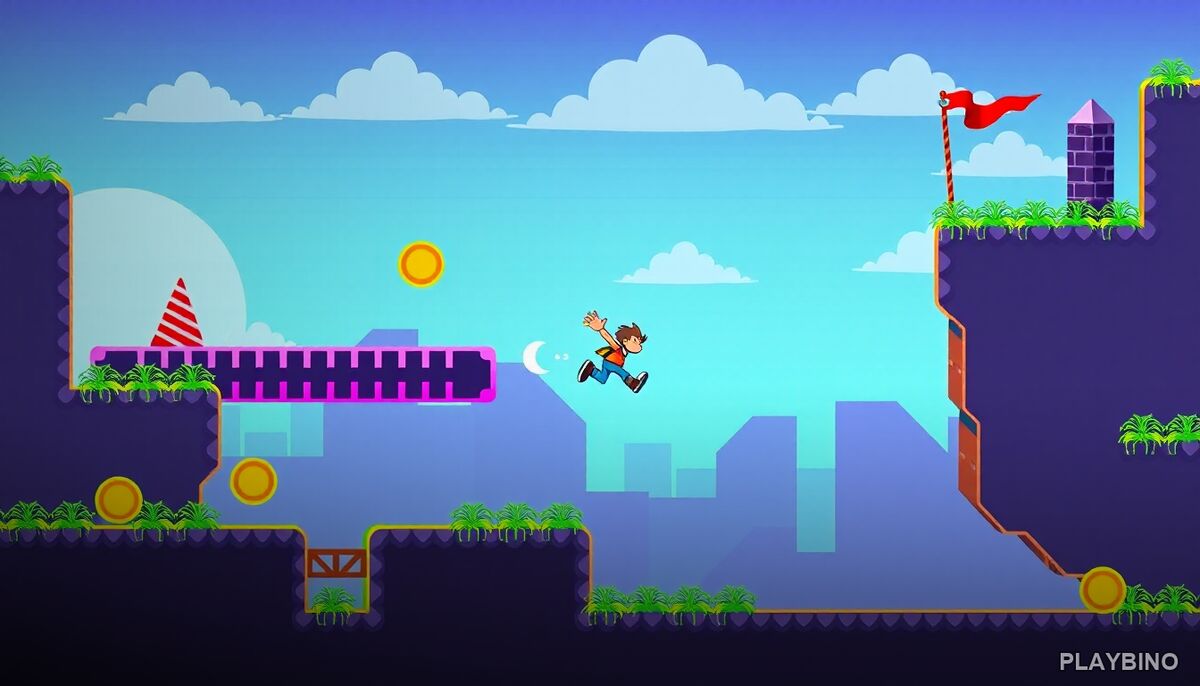
What Pixel Run Is About
Most endless runners give you a health bar or a set number of lives. Pixel Run does something more interesting: your character literally falls apart when you hit obstacles. Each collision strips away chunks of your blocky, pixelated form, and if you lose too many pieces, the run ends. Try the full run and you'll quickly feel how different this makes every decision on the course.
The concept is simple but the tension it creates is not. You're not just dodging hazards to keep a streak alive — you're protecting the structural integrity of your character, which changes how aggressively you move through each level.
How the Obstacle System Works
Barriers appear throughout each course in patterns that become more complex as you progress. Early sections give you room to read the layout and find a path. Later courses tighten the gaps and increase the pace, demanding faster reactions and cleaner movement.
Because every hit has a physical cost, the arcade feel here is more punishing than a typical runner. You can survive a few collisions, but each one shrinks your margin for error. That gradual degradation creates a kind of pressure that keeps each attempt feeling meaningful.
Timing and Movement
Precision matters more than raw speed. Rushing through a section to gain time often leads to clipping an obstacle that costs more than the seconds saved. Learning when to slow your approach and when to push through gaps is the core skill the game builds over repeated attempts.
The Pixel Collection Mechanic
Scattered across each course are collectible pixels. Grabbing them rebuilds your character, restoring pieces lost to earlier collisions. This creates a genuine risk-reward loop: some pixels sit in open paths, but others are placed near hazards or in tight corridors where reaching them requires a detour.
When to Go for Collectibles
If your character is mostly intact, chasing a distant pixel cluster may not be worth the exposure to nearby obstacles. When you're already running low on pieces, the calculus flips — a risky grab becomes necessary rather than optional. Reading your current state and adjusting your route accordingly is what separates short runs from long ones.
Course Progression and Replayability
Courses grow more demanding over time, introducing new obstacle arrangements and tighter spacing. The action stays grounded in the same core loop, but the arcade difficulty curve means you're rarely coasting. Failing a run doesn't feel arbitrary — it usually points to a specific moment where a better choice was available.
Starting over from scratch is part of the design. Each attempt builds pattern recognition, and routes that seemed impossible on the first try become manageable once you've seen the layout a few times. The game rewards persistence without relying on upgrades or unlocks to maintain interest.
Who This Game Suits
If you enjoy action-arcade games where physical consequences replace abstract health systems, this one has a distinct feel. The pixelated visual style matches the mechanic — watching your character lose blocks is both the feedback system and the visual stakes at once. Players who like reflex-based challenges with a clear cause-and-effect structure will find the loop satisfying.
Cosmic Sprint takes a different approach to the same genre — that browser runner is worth a look if you want to compare how two arcade-style endless runners can feel completely different despite sharing a format.
Running on PlayBino
Pixel Run runs directly in the browser on PlayBino with no installation needed. The controls are minimal, which means the focus stays entirely on reading the course and reacting to what's ahead. Short sessions work well, but the escalating difficulty makes it easy to keep pushing for one more attempt.