PixelCraft Animal School: Survive the Frozen Forest
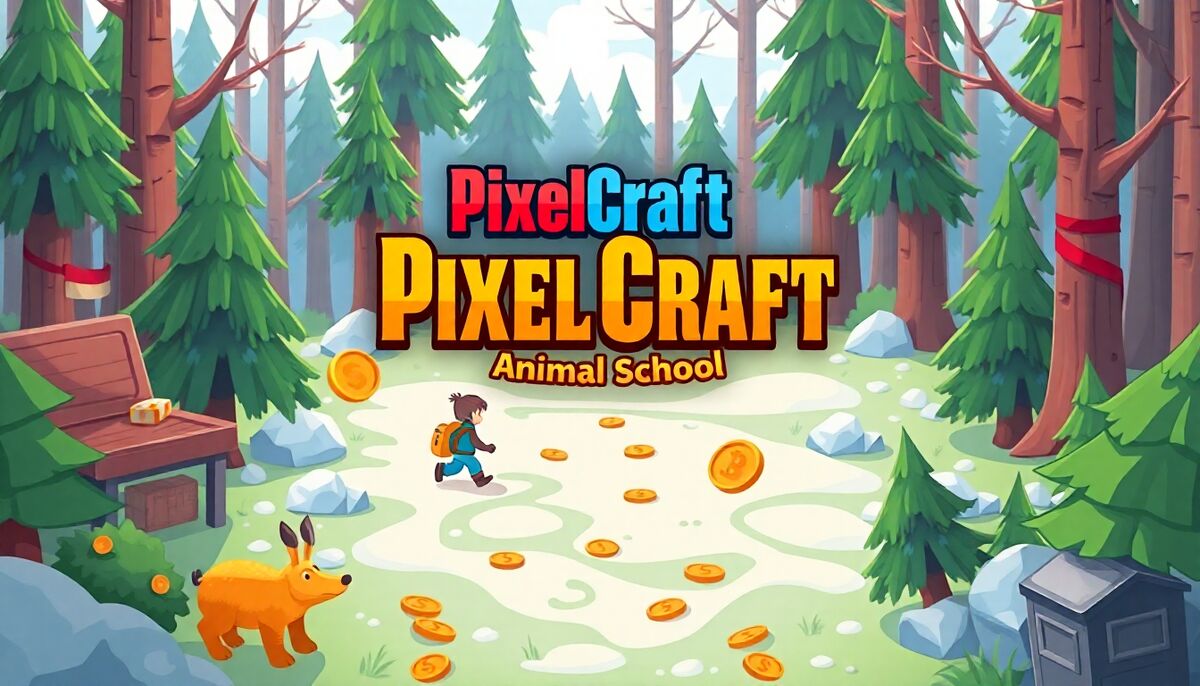
Frozen Wilderness, Real Pressure
Not every arcade game earns its tension honestly. PixelCraft Animal School does. You start each level surrounded by snow-covered trails, with bears, wolves, and wild boars patrolling between you and the exit portal. The pixelated art style looks charming at first glance, but the moment a wolf cuts off your path, the survival instinct kicks in fast. Play this browser survival challenge and the gap between a clean escape and an instant defeat comes down to one wrong turn.
What You're Actually Doing Each Level
The goal is straightforward: reach the portal at the far end of the level before time runs out. What makes it complicated is everything standing between you and that exit. Predators don't just block paths — they patrol them, and their movement patterns shift as the levels progress. Early stages give you room to read enemy routes. Later stages stack multiple predators with overlapping patrol zones, leaving very few safe windows to move through.
Gold Coins and Risk Management
Scattered across each level are gold coins, and collecting them is never mandatory — but ignoring them entirely limits your costume options. The real skill comes from deciding when a coin detour is worth the exposure. Some coins sit just off the main path with a quick grab-and-return route. Others are deep in predator territory, and going for them means committing to a longer, riskier line. That decision-making loop is where the arcade skill element really lives.
Time Pressure
A countdown runs throughout each level, adding urgency on top of the predator threat. Standing still to wait out a patrol is sometimes necessary, but the clock punishes hesitation. The best runs involve reading enemy movement quickly and committing to a route rather than second-guessing at every junction.
Solo vs. Co-op: Two Very Different Games
The single-player mode puts full route responsibility on you. Every decision is yours, and mistakes are clean lessons. The two-player co-op mode changes the dynamic significantly. Coordinating escapes with a friend means communicating patrol timing, splitting coin collection duties, and avoiding the chaos of both players funneling into the same narrow gap at once. Co-op can feel easier when both players are in sync, but a poorly timed move from one player can block the other directly into a predator's path. It rewards actual coordination, not just having a second person present.
Progression and Costumes
Gold collected across runs accumulates and unlocks cosmetic costumes for your character. The unlocks don't affect gameplay stats, but they give a reason to push for higher coin totals rather than just speed-running the exit every time. For players who enjoy completionist goals alongside arcade action, the costume system adds a light layer of progression to what would otherwise be a pure skill loop.
Strategy That Actually Works
- Watch predator patrol cycles for two or three seconds before committing to a route.
- Prioritize coins that are close to the main escape path; deep detours rarely pay off in later levels.
- In co-op, designate one player as the coin collector and one as the pathfinder to reduce collisions.
- Use corners and obstacles to break predator line-of-sight when caught in open space.
- Accept early levels as practice for reading patrol timing rather than rushing straight to the portal.
Similar Arcade Challenges to Try
If the movement-based obstacle gameplay appeals to you, another quick skill challenge worth trying is Jungle Jump, which puts a different spin on arcade navigation with its own set of timing demands. Both games reward players who can read movement patterns quickly and commit to decisions under pressure. PlayBino hosts both titles alongside a wide range of browser arcade games that fit the same action-skill category.