Pomni Math Game: Arithmetic Puzzles with a Visual Reward
What This Game Actually Is
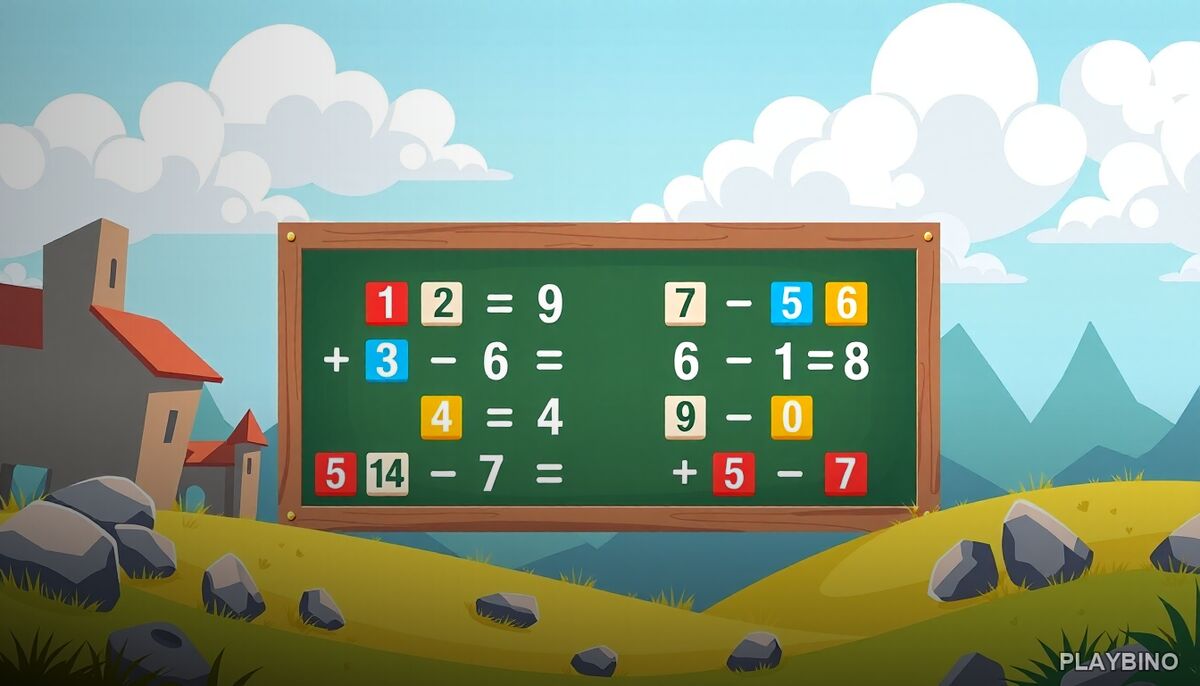
At first glance, Pomni Math Game looks like a colorful matching puzzle. What it actually delivers is a structured arithmetic workout wrapped inside a grid-based logic challenge. Each level hides a piece of vibrant Pomni artwork beneath a grid of numbered blocks, and the only way to reveal it is by solving the math problems that determine where each piece belongs. Try it directly in your browser and the loop becomes clear quickly: solve, place, reveal, repeat.
Grid Mechanics and How Placement Works
The core interaction is straightforward. A grid appears with numbered slots, and you receive blocks carrying values or equations. Your job is to match each block to its correct position based on the calculation it represents. Speed matters, but accuracy matters more. A misplaced block costs you time and breaks the visual reveal, which creates a natural motivation to slow down and think before committing.
Calculation Types
Early levels stick to basic addition and subtraction, giving new players a comfortable entry point. As levels progress, multiplication and more complex equations appear. The grid also grows larger, which means more simultaneous problems to track. The brain puzzle element comes from managing multiple calculations at once rather than just solving one equation in isolation.
Time Pressure
A time constraint runs throughout each level. It never feels punishing at the start, but as grids expand and equations become less obvious, the clock adds genuine tension. The best approach is to scan the full grid before placing anything, identifying the easiest matches first and working toward harder ones. Rushing through early placements often leads to mistakes that slow the overall clear time.
The Visual Payoff System
Completing a correct placement immediately uncovers a portion of the hidden artwork beneath the grid. This reward mechanic is cleverly designed. Partial reveals create curiosity about what the full image looks like, and that curiosity keeps players engaged through levels that might otherwise feel repetitive. The colorful Pomni artwork serves as a progress indicator as much as a visual treat.
Logic Strategy That Actually Helps
Pomni Math Game rewards a systematic approach over guessing. A few habits make a noticeable difference:
- Identify anchor values first — blocks with obvious answers give you reference points for surrounding placements.
- Work from corners or edges when the grid structure allows it, since those positions often have fewer possible matches.
- Use process of elimination on harder equations rather than calculating every option from scratch.
- Prioritize accuracy on the first pass to avoid wasting time on corrections.
Players who treat each level as a logic problem rather than a speed test tend to finish with better accuracy scores and cleaner reveals.
Who This Game Suits
The game works well for anyone who wants arithmetic practice that does not feel like a worksheet. Younger players benefit from the visual reward structure, which turns correct answers into something tangible. Older players who enjoy brain puzzles and logic challenges will find the expanding grid complexity satisfying. The pacing is calm enough for casual sessions but structured enough to feel like genuine mental exercise.
Math Rockets Averaging takes a different angle on number-based challenges — that game focuses on averaging mechanics and may appeal to players who want something more action-oriented alongside their arithmetic practice.
Progression and Replay Value
Levels scale in a way that keeps the challenge honest. The jump from basic arithmetic to multi-step equations does not happen abruptly, so the difficulty curve feels earned rather than arbitrary. Each completed level unlocks the next, and the desire to see the full artwork motivates replaying earlier levels for better accuracy. PlayBino hosts the game without any installation required, making it easy to pick up for a short session and return to later without losing progress context.