Poppy Escape: Stealth, Survival, and Monster Evasion
What Happens Inside the Facility
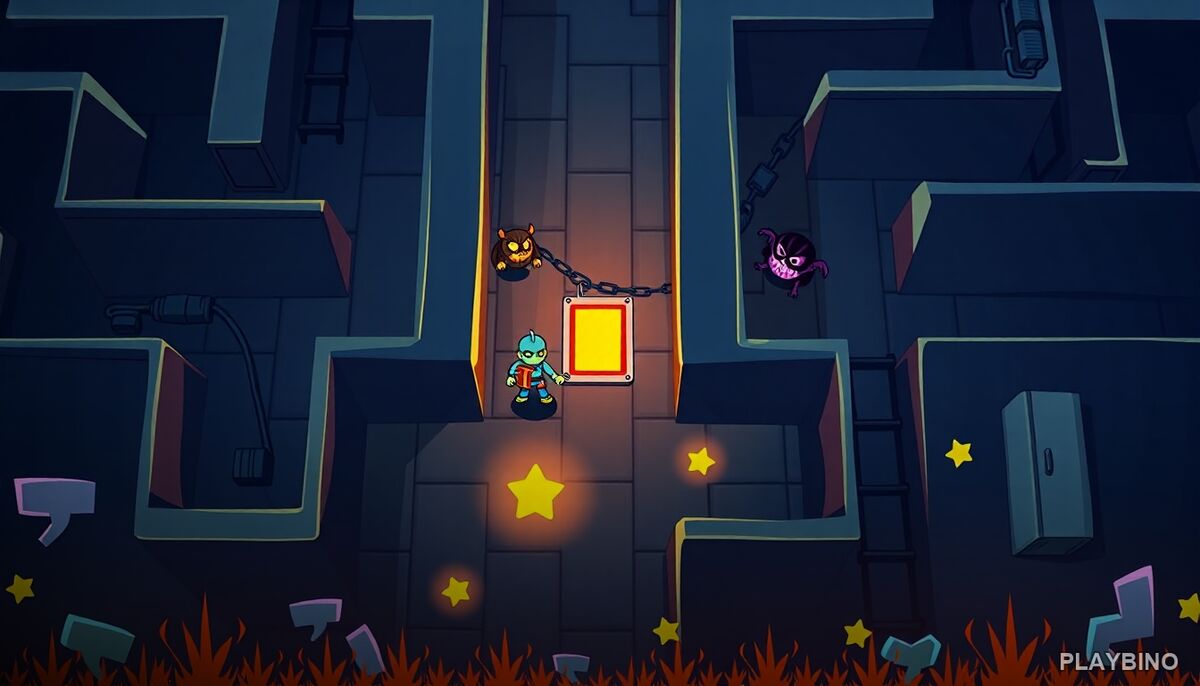
The moment you step into Poppy Escape, the atmosphere does most of the work. Dim corridors, unpredictable monster patrols, and a maze-like layout combine to create a horror puzzle experience that keeps your nerves on edge from start to finish. Play it directly in your browser and you'll quickly realize that rushing through levels is rarely the right approach.
The core loop is straightforward but tense: reach the exit or gather a set number of scattered toys before the lurking threats catch up to you. That dual-objective structure means you're constantly weighing risk against reward — do you push deeper into unexplored rooms to collect the last toy, or cut your losses and hunt for the exit?
Movement and Stealth Mechanics
Survival in this game is built around patience. The monsters that patrol each level follow routes, and learning those patterns is the difference between a clean escape and a sudden game over. Movement needs to feel deliberate — hugging walls, pausing at corners, and backtracking when a patrol cuts off your path.
Reading Enemy Patterns
Each pursuer has a patrol rhythm. Watching from a safe distance before committing to a route is often the smartest first move in any new room. Rushing in blind is the most common mistake new players make.
Sound as a Warning System
The audio design works as a passive alert system. Footsteps and ambient sounds shift in intensity as danger approaches. Keeping your own movement measured helps you stay aware of what the sound environment is telling you.
The Two-Path Objective System
What makes the level design interesting is the choice between two valid completion methods. Finding the hidden exit is faster when you know the layout, but collecting toys forces you into areas you might otherwise avoid. In earlier stages, the exit is often reachable without much detour. As the facility grows more complex, toy collection becomes a genuine navigation puzzle — scattered items placed in corners that require careful routing to reach without triggering a chase.
- Exit route: faster but requires map awareness
- Toy collection: slower, higher risk, rewards thorough exploration
- Both methods unlock the next level equally
- Later stages mix both objectives to increase pressure
Escalating Difficulty Across Levels
The early levels act as a tutorial in disguise. Monster patrol zones are wide and predictable, giving you room to learn the movement system. By the mid-game, the hallways narrow, patrol routes overlap, and the toy placement becomes less obvious. The game doesn't announce these difficulty shifts — you simply notice that the same casual approach that worked before no longer does.
Strategy becomes a real factor here. Memorizing room layouts, identifying safe corners to wait in, and planning a full route before moving are all habits that pay off. This is where the action-puzzle tag combination makes sense: it's not pure reflex, and it's not pure logic either. Both matter.
Horror Atmosphere Without Jump Scares
Poppy Escape builds tension through environment rather than cheap shock moments. The dimly lit facility, the sound design, and the constant awareness of unseen threats create a slow-burn anxiety that suits the stealth format well. Monster of Garage Storage takes a different approach to the same monster-evasion concept — that game's setup trades facility corridors for a confined storage space, which creates its own brand of claustrophobic tension.
Who This Game Suits
If you enjoy single-player puzzle games that reward observation over reaction speed, this one fits well. The horror framing adds stakes without making the game inaccessible. You don't need fast reflexes — you need patience, route planning, and the ability to stay calm when a patrol suddenly shifts direction. PlayBino hosts the full browser version with no download required, making it easy to pick up between other sessions.
"